
Early Detection of Neurodevelopmental Disorders in Children: Clinical Assessment, Early Warning Signs and Diagnostic Challenges
1. Altynai Nuralieva
2. Gautham Periyasamy
(1. Lecturer, International Medical Faculty, Osh State University, Osh, Kyrgyz Republic
2. Student, International Medical Faculty, Osh State University, Osh, Kyrgyz Republic.)
Abstract
Neurodevelopmental disorders affect how a child's brain develops and, as a result, how the child communicates, learns, moves, behaves and relates to others. Most of these conditions begin to show themselves in the first years of life, yet many children are not identified until school age or later, after valuable opportunities for support have passed. This narrative review examines how clinicians can recognise developmental concerns early, how children should be assessed, and why diagnosis is so often delayed. It begins with typical neurodevelopment and the principal neurodevelopmental disorders, then sets out early warning signs by developmental domain, including the particular significance of regression. Developmental surveillance and standardised screening are distinguished and discussed alongside the main screening and diagnostic instruments. The core clinical assessment is described in detail: developmental history, parental interview, physical and neurological examination, developmental testing, hearing and vision assessment, and differential diagnosis. Eight recurring barriers to timely diagnosis are then analysed, including symptom overlap, normal variation, cultural and linguistic factors, under-recognition in girls, limited specialist capacity and long referral pathways. The review concludes that early detection depends less on any single test than on a continuous, culturally sensitive process in which parental concerns are taken seriously, screening results are followed by proper evaluation, and support begins according to need without waiting for a final diagnostic label. Priorities for research include culturally validated tools, better recognition in underserved groups and in girls, digital and telehealth approaches, and long-term outcome studies of early intervention.
Keywords: neurodevelopmental disorders; early detection; developmental surveillance; developmental screening; autism spectrum disorder; developmental delay; child development; early intervention
1. Introduction
The first years of life are a period of extraordinary neurological change. Within a few short years a newborn who can barely lift their head becomes a child who walks, speaks in sentences, plays with others and begins to understand the rules of the social world. This progress depends on the orderly maturation of the brain, and when that process is disrupted, whether by genetic, prenatal, perinatal or environmental factors, the consequences can reach into every area of a child's life.Neurodevelopmental disorders are a group of conditions that begin during the developmental period and produce deficits in personal, social, academic or occupational functioning. In the current classification they include intellectual developmental disorder, global developmental delay, communication disorders, autism spectrum disorder (ASD), attention-deficit/hyperactivity disorder (ADHD), specific learning disorder and motor disorders such as developmental coordination disorder [1]. They are not rare. A Global Burden of Disease analysis estimated that 52.9 million children under five years of age had a developmental disability in 2016, and that about 95% of them lived in low- and middle-income countries [2]. Prevalence estimates for individual conditions vary with method and setting, but a pooled review of the global literature placed the median prevalence of autism at roughly 1% [5], and surveillance in the United States has reported figures as high as 1 in 36 eight-year-olds for the 2020 surveillance year [6].The science of early childhood explains why timing matters. Brain architecture is built through a continuing interplay between genetic programmes and experience, and the early years are a time of particularly rapid synapse formation and high plasticity [3,4]. Support offered during this window may therefore have effects that are harder to achieve later. For the child, early identification can mean earlier access to speech and language therapy, occupational therapy, physiotherapy, behavioural and educational support. For the family, it can mean an explanation, guidance and a route to services, in place of months or years of uncertainty.Despite this, delay in recognition is common. Studies of autism, for example, consistently show that although diagnosis can be made reliably by around two years of age [10], the average age at diagnosis in many settings is considerably later, and it varies with the child's presentation, family circumstances, ethnicity and the availability of services [7]. Similar patterns are seen in other developmental conditions. Part of the explanation lies in the nature of development itself. Children differ in their pace, symptoms of different disorders overlap, and some difficulties become visible only when the demands of preschool or school exceed what the child can manage. It is helpful at the outset to separate two ideas that are often used interchangeably. Developmental delay is a descriptive term. It means that a child is not reaching expected milestones in one or more domains at the expected age. It is a clinical observation, and it may be transient, may resolve with time or support, or may be the first sign of an underlying condition. A neurodevelopmental disorder, by contrast, is a diagnosis made on defined criteria, usually when difficulties are persistent and impair functioning. Global developmental delay is a provisional label used in children under about five years who cannot yet be tested reliably. Every child with a neurodevelopmental disorder will have shown some form of developmental difference, but not every child with a delay will go on to receive a diagnosis. Keeping this distinction clear helps clinicians avoid both over-labelling and under-recognition, and it underlies the central message of this review: that children who need help should be identified and supported on the basis of observed needs, and that diagnosis refines this process rather than gating it.This review aims to describe how early detection of neurodevelopmental disorders can be achieved in everyday pediatric practice and what makes it difficult. Its objectives are to explain typical neurodevelopment; to outline the common neurodevelopmental disorders and their early manifestations; to discuss developmental surveillance, screening and clinical assessment; to analyse the barriers to early diagnosis; and to emphasise the role of early intervention and multidisciplinary, family-centred care.
2. Review methodology
This article is a narrative review. It is based on a structured literature search and a narrative synthesis, and it does not claim the formal methodology of a systematic review: no protocol was registered, and no quantitative pooling or formal risk-of-bias scoring was undertaken.
Searches were carried out in PubMed/MEDLINE, Scopus and Web of Science, with supplementary searching in Google Scholar. Guidance documents were sought directly from the websites of the World Health Organization (WHO), the Centers for Disease Control and Prevention (CDC), the American Academy of Pediatrics (AAP) and the National Institute for Health and Care Excellence (NICE). Search terms were combined with Boolean operators and included: "neurodevelopmental disorders", "developmental delay", "global developmental delay", "autism spectrum disorder", "ADHD", "developmental language disorder", "developmental coordination disorder", "early detection", "early identification", "developmental surveillance", "developmental screening", "clinical assessment", "diagnostic delay" and "early intervention", each combined with "child*", "infant*" or "toddler*" and "pediatric*".
The search concentrated on publications from 2015 to 2026, supplemented by earlier landmark studies, foundational instruments and guidelines that continue to shape practice. Articles were included if they addressed children from birth to approximately 12 years of age and dealt with one or more of the following: typical development, early signs, screening and surveillance, clinical or diagnostic assessment, barriers to diagnosis, or early intervention. Clinical guidelines, consensus statements, systematic reviews, meta-analyses, randomised and observational studies, and major narrative reviews were considered. Case reports, conference abstracts without full text, studies focused exclusively on adolescents or adults, and articles not available in English were excluded. Guidelines are cited as the recommendations of the issuing bodies, and their country-specific schedules are presented as such rather than as universal rules.
3. Brain development during early childhood
It is difficult to recognise what is unusual without a clear picture of what is usual. Brain development begins in the embryonic period and continues well into adolescence, but its pace is greatest in the first years of life. Brain volume increases rapidly after birth, neurons form enormous numbers of synaptic connections, and myelination progressively improves the speed of signal conduction. Connections that are used repeatedly are strengthened, while those that are not are gradually pruned, a process that refines the circuitry for the child's environment [3,4].This capacity for change, known as neuroplasticity, has two faces. It makes the young brain especially responsive to stimulation, language exposure, responsive caregiving and play. It also means that adverse influences, including malnutrition, chronic stress, neglect, prematurity-related injury and sensory deprivation, may have a particularly strong effect when they occur early. The interplay between biology and experience is why early detection and early support are so closely linked.
3.1. Major developmental domains
Clinicians usually describe development in several interrelated domains. Gross motor development covers control of posture and movement, such as head control, sitting, crawling, standing and walking. Fine motor development involves the use of the hands and fingers, from reaching and grasping to drawing and self-care tasks. Language and communication include understanding and using speech, gesture and other means of communication. Cognitive development refers to attention, memory, problem-solving, play and early reasoning. Social and emotional development encompasses attachment, shared attention, emotional regulation and relationships with others. Finally, adaptive and daily living skills describe the practical abilities of feeding, dressing, toileting and sleep routines that allow children to function independently at an age-appropriate level.These domains are connected. A child with hearing loss may seem language-delayed and socially withdrawn. A child with poor motor planning may avoid play with peers. Assessment therefore has to look across domains instead of examining each in isolation.
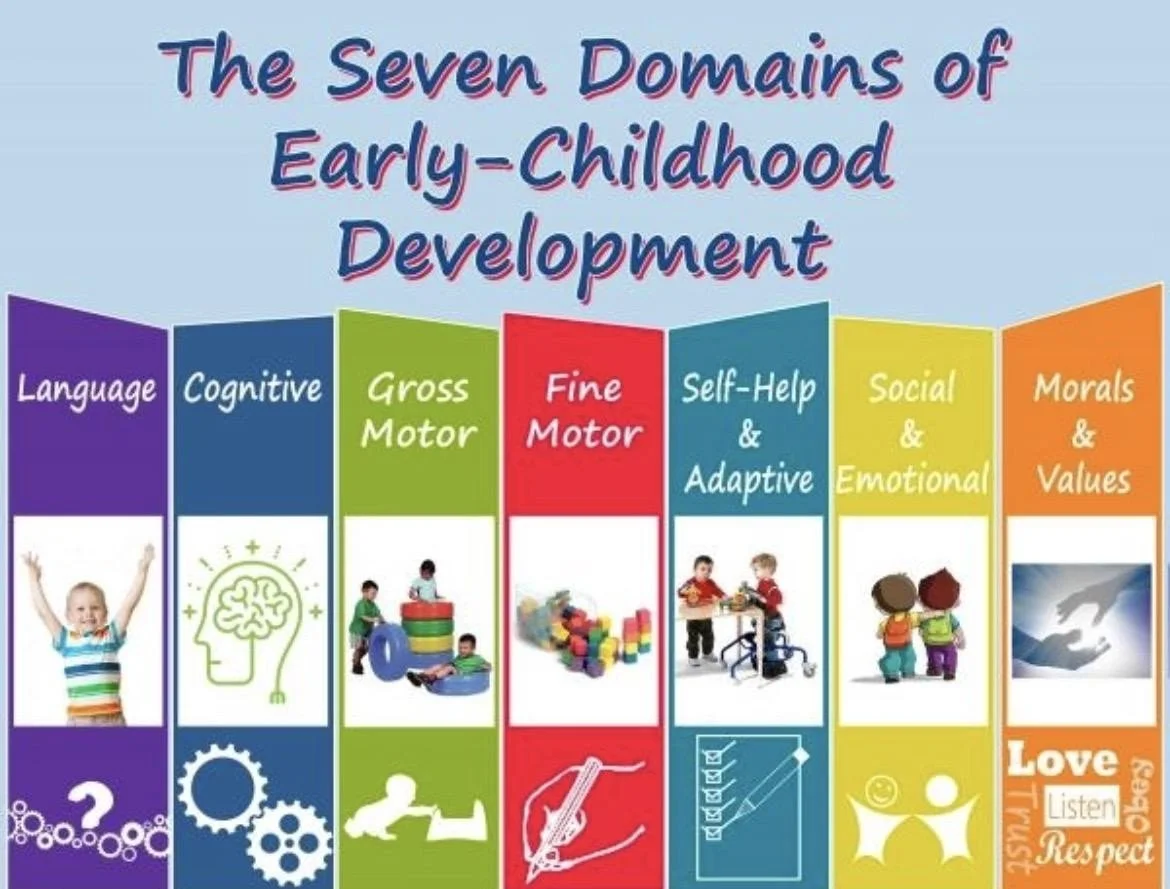
Figure 1. Major domains of neurodevelopment in childhood
3.2. Developmental milestones
Milestones are a practical way of describing typical progress, though they should be understood as landmarks along a range rather than strict deadlines. In the first months, infants typically begin to smile socially (at around 6 to 8 weeks), follow faces and sounds, and gain head control. By about six months most infants roll, reach for objects, babble with consonant-vowel sounds and show clear preferences for familiar people. Sitting without support, transferring objects between hands, responding to their own name and early gestures such as pointing and waving develop over the second half of the first year [14].During the second year, children typically begin to walk independently, use a pincer grasp, say their first words, follow simple instructions and engage in shared attention, showing objects to others and following another person's gaze or point. By around two years, most children combine two words, use a vocabulary of many words, run, begin pretend play and show interest in other children. In the preschool years, language grows into sentences and narratives, drawing and self-care skills improve, play becomes more cooperative and imaginative, and children gain growing control of their emotions and behaviour. Worth noting is that milestone lists are not static. In 2022 the CDC and AAP revised their milestone checklists, moving from the age at which about half of children achieve a skill to the age at which about 75% do, so that a child who has not yet reached a listed milestone is more likely to merit attention [15]. This change reflects a broader shift towards using milestones as prompts for conversation and action rather than as descriptive averages.
3.3. Individual variation in development
Typical children vary considerably in the age at which they acquire skills. Some walk at ten months and others at eighteen, and both are within the normal range. Temperament, opportunities for practice, cultural child-rearing practices, prematurity (for which age should be corrected) and bilingual exposure may all influence timing. A single late milestone, especially in an otherwise thriving child, is rarely cause for alarm. What matters more is the overall pattern: whether delay affects one domain or several, whether progress is steady or has stalled, whether skills have been lost, and whether the quality of a skill (for example, how a child uses gesture, eye contact and sounds to communicate) is typical. This pattern-based approach is the basis of the warning signs discussed below.
4. Common neurodevelopmental disorders in children
The conditions summarised in Table 1 account for most children presenting with developmental concerns. They frequently coexist, which is one of the reasons assessments can be challenging. This section describes them briefly, concentrating on what is relevant to early recognition.
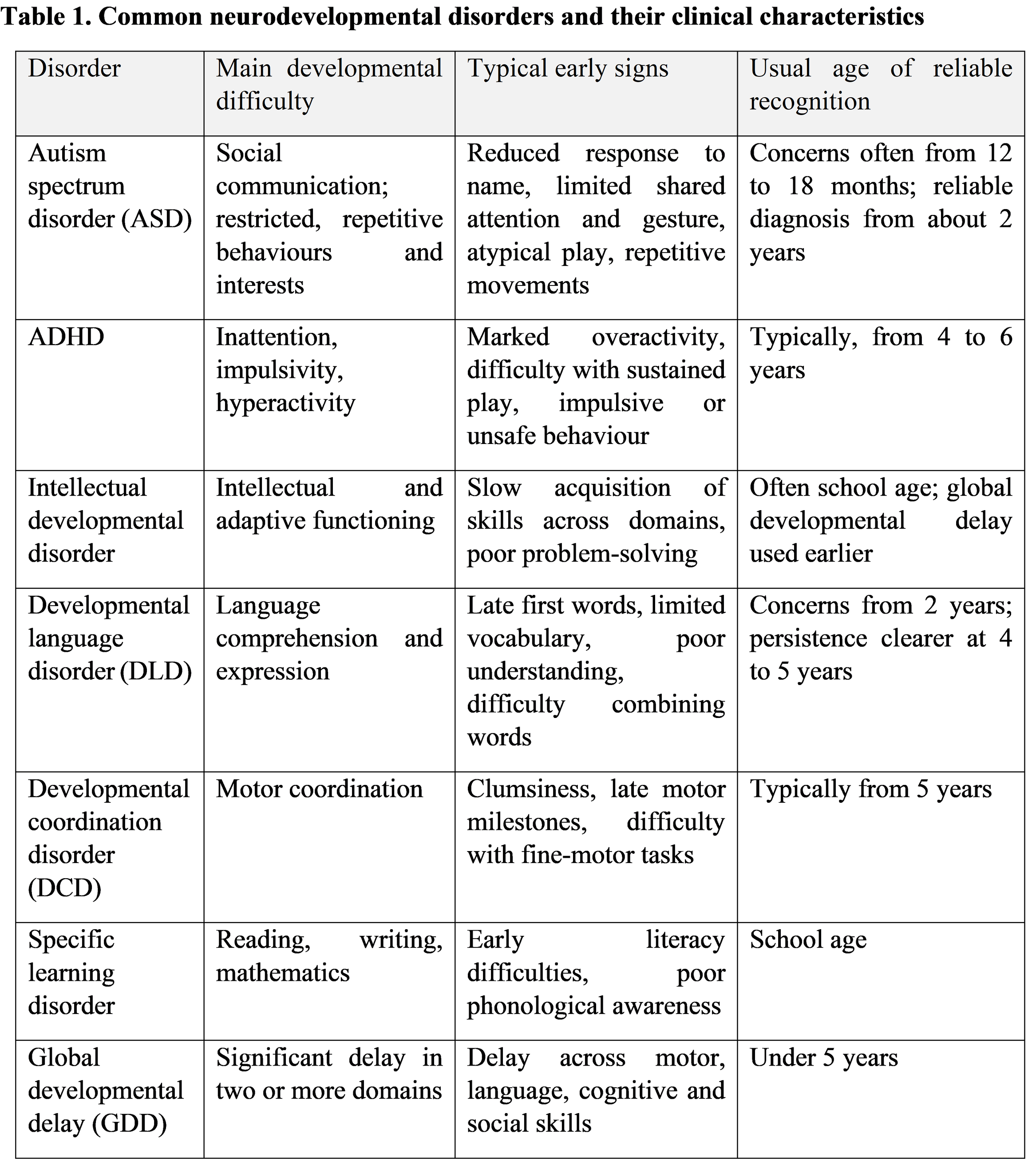
Autism spectrum disorder. ASD is defined by persistent difficulties in social communication and interaction, together with restricted, repetitive patterns of behaviour, interests or activities [1]. In the early years the picture is often subtle. Toddlers may respond inconsistently to their name, make little use of eye contact and gesture, rarely point to share interest, show unusual play with objects, repetitive movements or strong sensory responses, and be slow to develop language. ASD often occurs with intellectual disability, language disorder, ADHD, epilepsy, anxiety, sleep and feeding difficulties [24]. Early identification is particularly valuable because intervention programmes designed for young children are available and diagnosis made in the second or third year is generally stable [10,16].
ADHD. ADHD is characterised by a persistent pattern of inattention and/or hyperactivity-impulsivity that is more severe than expected for the child's developmental level. Preschoolers who are lively and impulsive are common, so the diagnosis requires symptoms in more than one setting and clear impairment. AAP guidance supports evaluation from the age of four years [17], and a systematic review has estimated worldwide prevalence of around 7% in children and adolescents [18]. In the preschool period, parent training in behaviour management is typically the first line of support.
Intellectual developmental disorder and global developmental delay. Intellectual developmental disorder involves deficits in intellectual functions, such as reasoning, problem-solving and learning, together with deficits in adaptive functioning, with onset in the developmental period. Its prevalence is approximately 1% [1]. Because standardised intelligence testing is unreliable in very young children, the term global developmental delay is used for children under about five years who show significant delay in two or more domains [19,22]. It should prompt a structured aetiological work-up and early intervention, and it should be revisited as the child grows.
Developmental language disorder. DLD describes persistent language difficulties that are not attributable to hearing loss, another sensory or neurological cause, or a clear biomedical condition, and that limit everyday communication or learning [20]. Late talkers are common, and many catch up, which is why attention to receptive language, gestures and the presence of other concerns is important when deciding who needs referral. DLD has long-term consequences for literacy, behaviour and social relationships if it goes unrecognised.
Developmental coordination disorder. DCD is marked by motor performance well below that expected for age and opportunity, which interferes with daily activities and school work, and which is not explained by another neurological or visual condition. International recommendations indicate that diagnosis is generally made from around five years, but that children with clear motor difficulties should receive help earlier rather than waiting for a label [21].
Specific learning disorder. Difficulties with reading, writing or mathematics emerge when formal teaching begins, although preschool precursors, such as poor phonological awareness, family history of reading difficulty and language delay, may be recognised earlier [1]. It is included here because early language difficulties are often the first step on the pathway to later learning problems.
Across all these conditions, the same broad message emerges: the earlier signs are subtle and non-specific, the diagnostic label often comes later, and co-occurrence is the rule rather than the exception. A review that concentrates on early detection must therefore focus on how clinicians recognise patterns of concern long before a diagnosis can be formally confirmed.
5. Early clinical warning signs
Warning signs are not diagnoses. They are observations that suggest a child's development deserves closer attention. They are most useful when interpreted against age, in the context of the whole child, and together with the parents' own concerns. They are organised below by domain and summarised by age in Table 2.
5.1. Motor warning signs
Persistent asymmetry, unusually floppy or stiff limbs, poor head control beyond four months, inability to sit independently by nine months, and failure to walk by 18 months deserve evaluation. A strong hand preference before 12 months, persistent fisting, or marked difficulty using hands and fingers may indicate a neuromotor problem. Abnormal tone and early movement patterns are especially important in the recognition of cerebral palsy, which can now be detected with high accuracy well before six months through the combined use of general movements assessment, standardised neurological examination and neuroimaging in high-risk infants [28,29]. Later, poor coordination, frequent falls and difficulty with buttons, cutlery or drawing may suggest developmental coordination disorder.
5.2. Speech and language warning signs
Language is among the most common reasons for referral. Concerning features include little or no babbling by 9 to 12 months, no pointing or other gestures by 12 months, no single words by 16 months, no two-word combinations by 24 months, and difficulty following simple instructions. Infants begin tuning their perception to the sounds of their native language during the first year, so persistent unresponsiveness to speech and sound should always prompt a hearing assessment [13]. A child who does not seem to want to communicate, rather than one who is trying but lacks words, raises particular concern for autism.
5.3. Social and behavioural warning signs
In infants and toddlers, early social signs include reduced eye contact, limited social smiling, inconsistent response to name, little interest in other people, limited shared attention (not showing, pointing or following the gaze of others), absent or unusual imitation and pretend play, and repetitive movements, unusual sensory interests or marked insistence on routines. Prospective studies of infants with an older sibling with autism have shown that social differences may emerge gradually through the second year, and that some children show a plateau or loss rather than a lack of early skills [25,26,27]. In older preschoolers, extreme impulsivity, aggression, severe difficulty in transitions and withdrawal from peers should also be taken seriously.
5.4. Cognitive and learning warning signs
Children with cognitive delay may be slow to explore objects, to engage in cause-and-effect play, to solve simple problems or to acquire self-help skills. They may have difficulty imitating, understanding age-appropriate activities, remembering routines or generalising a newly taught skill. These signs are usually accompanied by delays in language and adaptive behaviour, which is why delay in several domains simultaneously carries more weight than isolated delay.
5.5. Developmental regression
Loss of previously acquired language, social or motor skills at any age is a red flag in its own right. In autism, a substantial minority of children are reported to lose words or social behaviours, often between the first and second birthdays [26]. Regression may also indicate epilepsy or an epileptic encephalopathy, a metabolic or neurodegenerative disease, a brain lesion, hearing loss or a significant psychosocial event. Unlike a simple delay, regression should not be managed by watchful waiting. It requires prompt medical evaluation, including a careful history, neurological examination and, where indicated, EEG, metabolic and genetic testing.
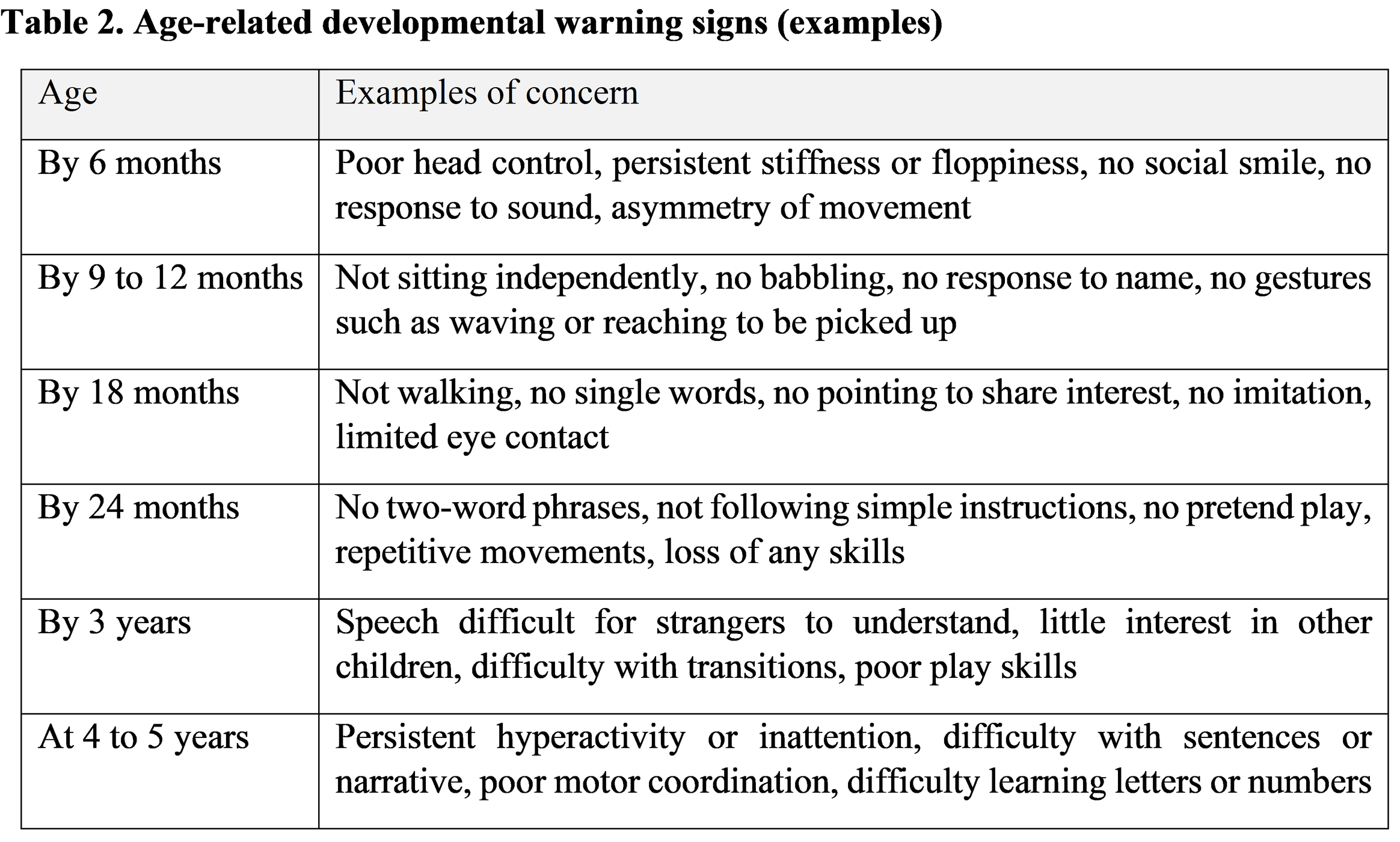
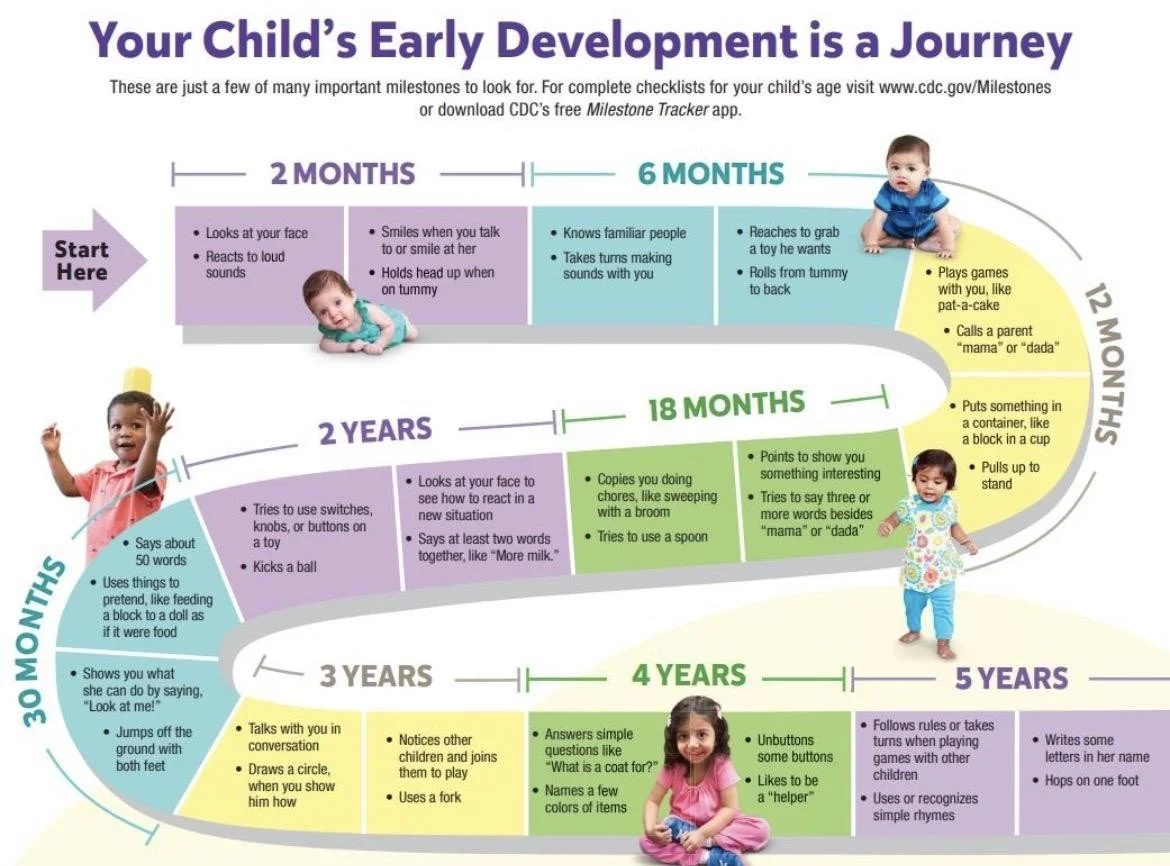
Figure 2. Early warning signs of neurodevelopmental disorders by domain and age.
6. Developmental surveillance and screening
Two concepts are central to early detection, and they are frequently confused. Developmental surveillance is the continuous, flexible process of monitoring a child's development at every health contact. It includes eliciting and attending to parental concerns, taking a developmental history, observing the child, identifying risk and protective factors, and documenting findings. Developmental screening is the administration of a brief, standardised, validated tool at specific ages to identify children who may need further evaluation [8]. Surveillance is ongoing and clinician-led, while screening is periodic and structured. Each has strengths that the other lacks, and the combination is better than either alone.Surveillance has the advantage of being embedded in routine care: immunisation visits, well-baby clinics and primary-care appointments offer repeated chances to see a child. It works best when clinicians ask open questions about what parents have noticed, listen to concerns rather than reassuring too quickly, use milestone checklists as prompts, and watch the child's behaviour directly. Parental concern is a useful signal. Parents are often the first to notice that something is different, and concerns about language, behaviour or social interaction, in particular, have been shown to carry diagnostic value, although parents' reports are not perfect and must be considered along with observation [8].Standardised screening addresses one weakness of surveillance, which is that clinical impression alone misses many children with delays. Commonly used general developmental tools include the Ages and Stages Questionnaires, Third Edition (ASQ-3) [32] and the Parents' Evaluation of Developmental Status (PEDS) [33]. For autism, the Modified Checklist for Autism in Toddlers, Revised with Follow-Up (M-CHAT-R/F) is the most widely used tool for children aged 16 to 30 months. It uses a 20-item parent questionnaire followed by a structured follow-up interview for children with intermediate scores, which reduces false positives [30].The AAP recommends developmental surveillance at every well-child visit, general developmental screening at 9, 18 and 30 months, and autism-specific screening at 18 and 24 months [8,9]. These schedules were designed for the United States health system and should be read as guideline-specific recommendations. Other countries use different approaches. In England, for instance, NICE guidance does not recommend universal autism screening but advocates recognising signs and acting on concern, together with structured developmental reviews in early childhood [12]. WHO's guidance on early childhood development emphasises responsive caregiving and early learning, and encourages monitoring of development within existing health and nutrition services, which is especially relevant to resource-limited settings [11].Screening results must be interpreted correctly. A positive screen means that the child is at increased likelihood of a developmental problem and requires further evaluation, not that a diagnosis has been made. A negative screen does not exclude difficulty, particularly if parents or clinicians remain concerned or if the child later develops new problems. Not all children with a positive screen need specialist referral, and some may benefit from early rescreening, targeted support or evaluation in primary care, while others, especially those with several concerns, regression or high risk, should be referred without delay [31]. Referral for early intervention services and for diagnostic evaluation can occur in parallel, so that waiting for a diagnostic appointment does not leave the child without support.A practical pathway therefore looks like this: ask and observe at every visit; apply validated tools at recommended ages or whenever concern arises; act on a positive screen or persistent concern by organising comprehensive evaluation and, at the same time, early intervention; and follow up to confirm that referral was completed and that the family is supported.
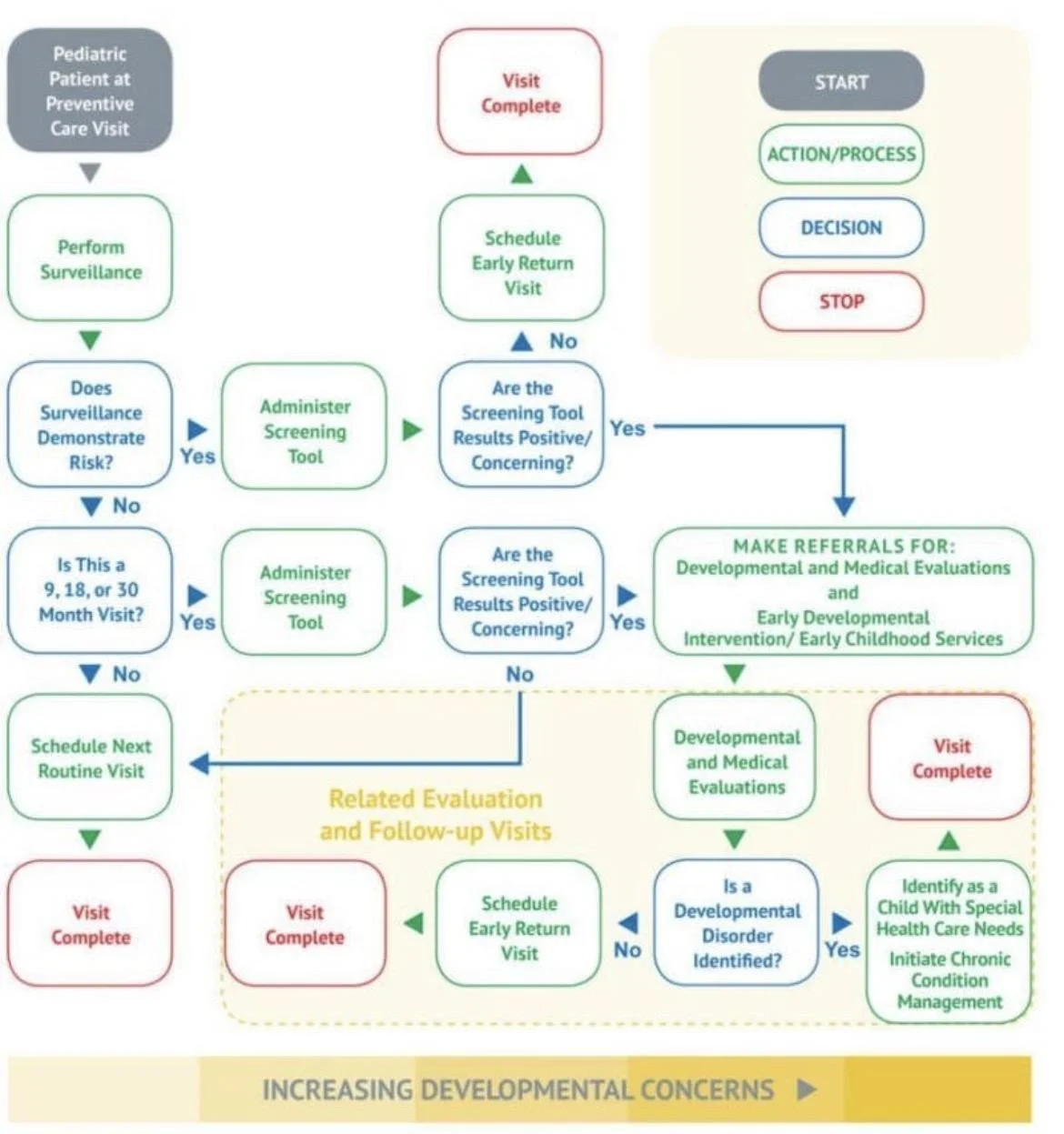
Figure 3. Clinical pathway for developmental surveillance and screening, from routine visit to referral and follow-up.
7. Clinical assessment of neurodevelopmental disorders
When concerns have been raised by surveillance, screening, parents or teachers, comprehensive clinical assessment is the next step. Its purpose is threefold: to describe the child's strengths and difficulties across domains, to identify a diagnosis or likely cause when possible, and to plan support. A good assessment is structured but not mechanical, and it is built from information gathered from several sources.
7.1. Detailed developmental history
The history is the most valuable part of the evaluation. It begins before birth, with the pregnancy and maternal health, including infections, medications, alcohol or substance exposure, chronic illness, diabetes, thyroid disease and psychological stress. Birth history should cover gestational age, birth weight, mode of delivery, perinatal asphyxia and the need for neonatal care. Prematurity and low birth weight are well-established risk factors for developmental difficulty, as are neonatal jaundice requiring treatment, hypoglycaemia, seizures, intraventricular haemorrhage and infection.The clinician should then reconstruct the sequence of milestones, noting when each was achieved and, importantly, how development has progressed over time: steady, slow, plateaued or lost. Family history needs to include developmental disorders, learning difficulties, psychiatric conditions, epilepsy, hearing loss, genetic syndromes and consanguinity. The recurrence risk among siblings of children with autism is substantially higher than in the general population, with about one in five infant siblings affected in one large consortium study [23]. The medical and neurological history should address seizures, head injuries, infections of the central nervous system, feeding problems, sleep, vision, hearing, and chronic illnesses.
7.2. Parental interview
Parents bring a unique knowledge of the child in everyday life. A structured conversation can explore what worries them, when they first noticed difficulty, how the child behaves at home, at nursery and with other children, and what the child can do now that they could not do before. Asking about daily routines, play, sleep, eating, response to sound, reaction to changes, and the way the child communicates wants and feelings often reveals more than direct questions about milestones. The interview is also a chance to understand family circumstances, stressors, language use at home and cultural expectations, and to build a relationship of trust that supports later steps. Reports of regression or loss of skills should be pursued carefully, with attention to timing, circumstances and the exact skills lost. Home videos can be very informative when the child behaves differently in the clinic.
7.3. Physical examination
A general examination can offer clues to underlying causes. Growth parameters and head circumference should be plotted on appropriate charts, as microcephaly, macrocephaly, and growth failure may point towards specific syndromes or metabolic disorders. The clinician should look for dysmorphic features, such as unusual facial appearance, ear and hand anomalies, as well as skin findings such as café-au-lait macules, hypopigmented patches, angiofibromas or unusual pigmentation patterns that may indicate neurocutaneous disorders. The cardiac, abdominal and musculoskeletal examinations, signs of neglect or injury, and evidence of congenital conditions complete the picture. The presence of multiple congenital anomalies increases the likelihood of a genetic aetiology [19,22].
7.4. Neurological examination
The neurological examination assesses muscle tone, strength, deep tendon reflexes, primitive reflexes in infants, posture, coordination, gait and, where age-appropriate, cranial nerve function including eye movements, facial symmetry and hearing. Persistent primitive reflexes, asymmetry, hypotonia or hypertonia, and abnormal gait can signal cerebral palsy or other central or peripheral nervous system disorders. For infants at risk, structured tools such as the Hammersmith Infant Neurological Examination and general movements assessment add sensitivity [28]. Even when the neurological findings are normal, as they often are in children with autism, ADHD or language disorders, the examination remains important in excluding other causes.
7.5. Developmental assessment
Developmental assessment determines the child's functioning in motor, cognitive, language, social-emotional and adaptive domains using direct observation and standardised measures administered by trained professionals. Instruments such as the Bayley Scales of Infant and Toddler Development [36] provide detailed profiles for young children, and adaptive behaviour scales gather parent reports on everyday skills. Observation of the child in play, in interaction with parents and, when possible, in nursery or preschool settings, provides ecologically valid information that formal testing may miss. Testing should be adapted to the child's language, hearing, vision and motor abilities, because performance on tests can be influenced by fatigue, anxiety or unfamiliarity.
7.6. Hearing and vision assessment
Hearing and vision are fundamental to development. Even mild or unilateral hearing loss can impair language, social interaction and learning, and hearing loss in a toddler with delayed speech may initially be mistaken for autism or cognitive impairment. Every child with developmental concern, especially those with speech delay, should have formal audiological evaluation, even when newborn hearing screening was normal, since hearing loss can be progressive or acquired. Visual impairment, refractive errors, strabismus and cerebral visual impairment can similarly affect motor skills, play and social engagement, and should be assessed by an ophthalmologist or orthoptist when suspected.
7.7. Differential diagnosis
As symptoms rarely belong to a single condition, the clinician must keep a broad differential. Hearing impairment may mimic language disorder or autism. Intellectual disability can underlie speech delay and social difficulty. Language disorders may resemble autism when social communication is affected, while autism may be missed when language is relatively preserved. Neurological conditions such as cerebral palsy, epilepsy, neuromuscular disease and neurometabolic or genetic syndromes should be considered, especially with regression, abnormal examination or dysmorphism. Psychosocial adversity, including neglect, limited language exposure, trauma, attachment problems and parental mental illness, can produce delays and behavioural difficulties that overlap with neurodevelopmental disorders. Sleep disorders, chronic illness, iron deficiency, lead exposure and vision difficulties may also contribute. Importantly, a neurodevelopmental disorder and another cause may coexist, so identifying one explanation should not end the search.
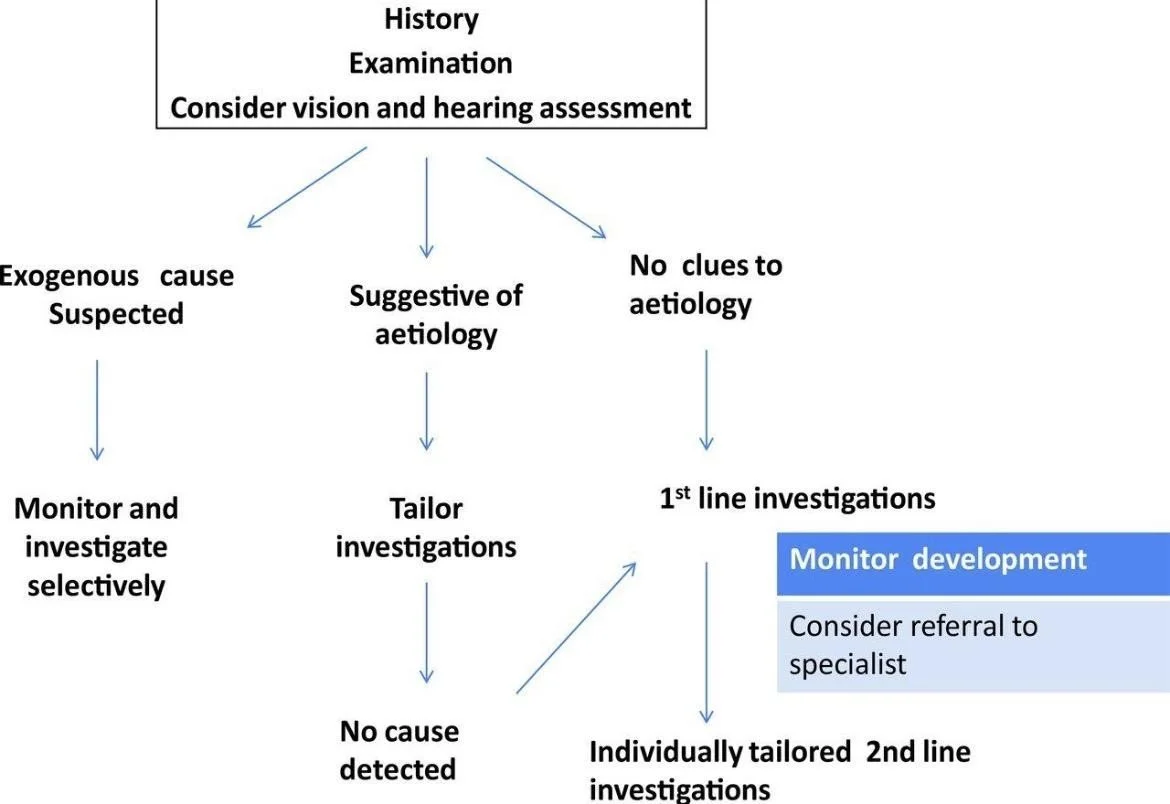
Figure 4. Comprehensive clinical assessment of a child with developmental concerns.
8. Diagnostic tools and investigations
Several instruments support clinical assessment, each with a different purpose. Their main features are summarised in Table 3.
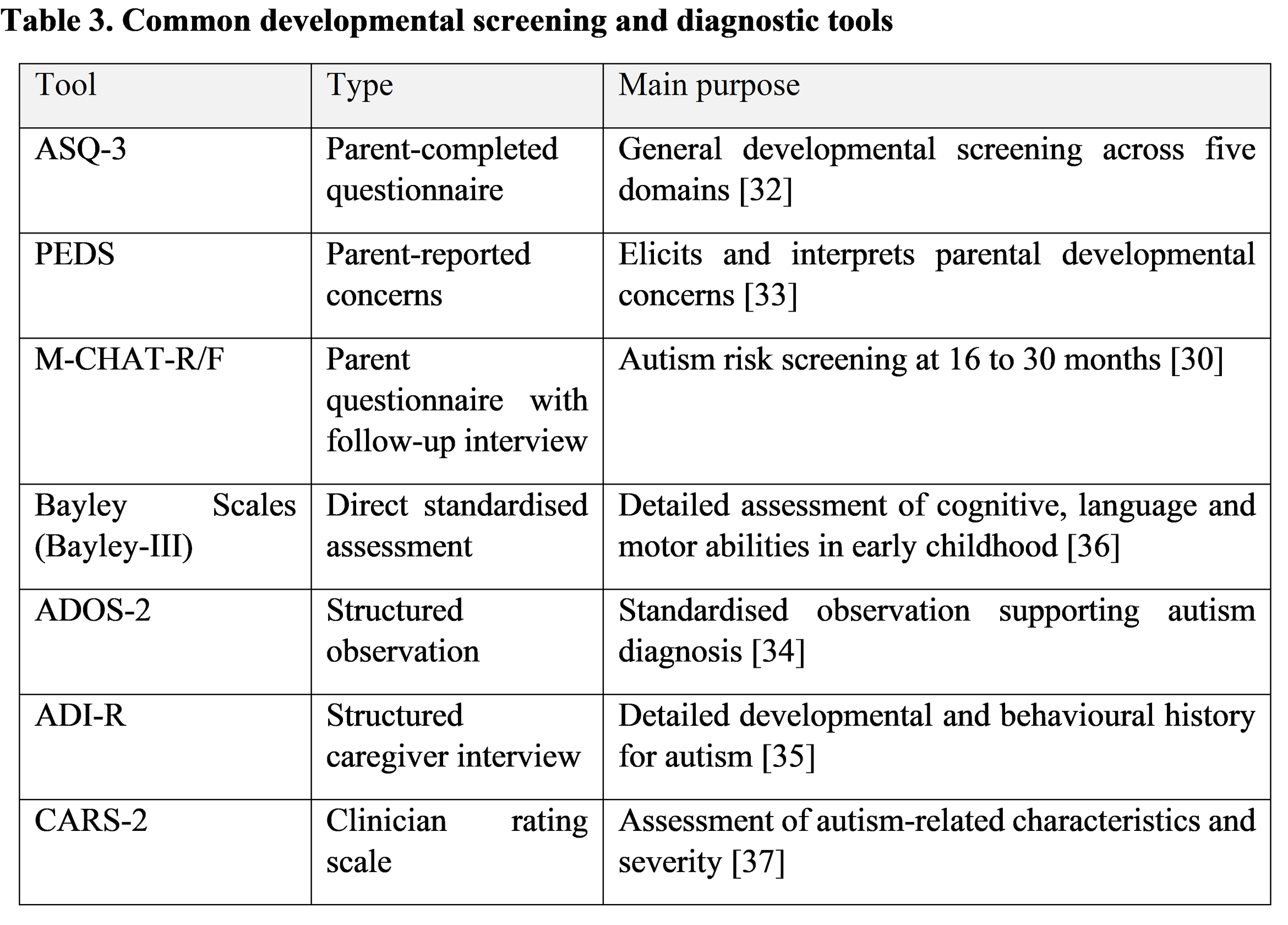
A crucial distinction runs through this table. Screening tools such as the ASQ-3, PEDS and M-CHAT-R/F identify children who may need further evaluation. They do not establish a diagnosis. Diagnostic instruments such as the ADOS-2, ADI-R and CARS-2 contribute information to a diagnostic formulation, but none should be used alone. In autism, current guidance recommends that diagnosis rests on clinical judgement informed by developmental history, direct observation and standardised tools, ideally by a multidisciplinary team [8,12]. Even well-validated tools perform differently across ages, languages and populations, and their results can be misleading if applied outside the groups in which they were validated. In very young children, the stability of a provisional diagnosis is good but not absolute, and a proportion of children change diagnostic status as they develop [10].Beyond these instruments, investigations are tailored to the clinical picture and not performed routinely. Hearing and vision testing is indicated for all children with significant developmental concerns, as described above. Genetic investigations have a considerable diagnostic yield in children with global developmental delay, intellectual disability and autism, particularly when there are dysmorphic features, congenital anomalies, or a family history. Current recommendations favour chromosomal microarray as a first-tier test, along with fragile X testing, and increasingly exome or genome sequencing where available, with metabolic tests guided by clinical features [19,22]. A genetic diagnosis can end a diagnostic odyssey, inform recurrence risk and prognosis, and sometimes lead to treatment. Electroencephalography (EEG) is indicated when seizures are suspected or when there is language or developmental regression, but it is not a routine test for every child with delay. Neuroimaging, usually magnetic resonance imaging, is considered when there are focal neurological signs, microcephaly or macrocephaly, abnormal tone or movement, regression, or other features suggesting a structural or metabolic brain disorder. In cerebral palsy, early MRI combined with clinical tools has transformed early diagnosis [28]. Laboratory investigations, such as thyroid function, iron status, lead levels and metabolic screens, are chosen according to history and examination.
9. Diagnostic challenges
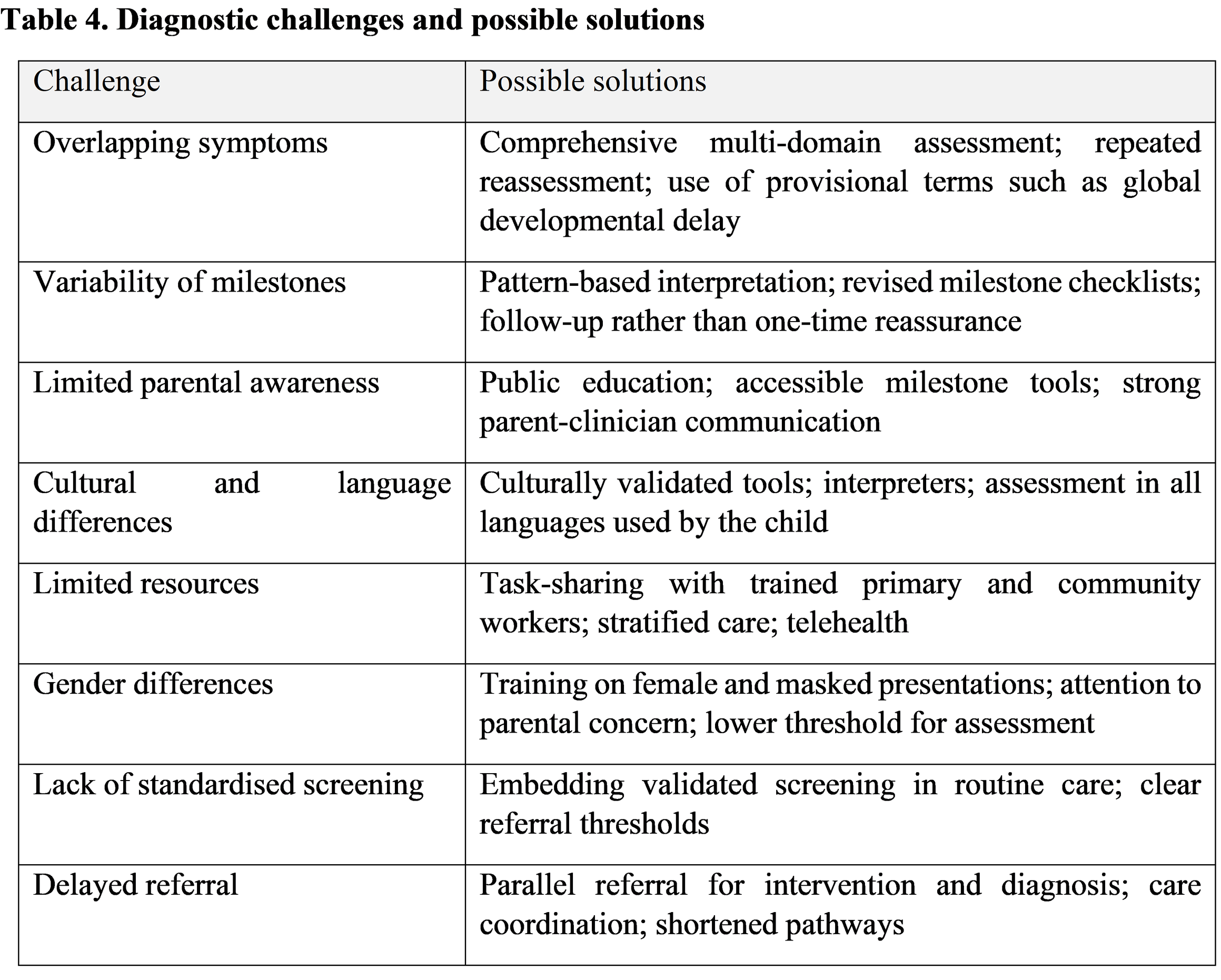
If early detection were only a matter of knowing the signs, delays in diagnosis would be rare. In practice, many obstacles lie between the first concern and a confirmed diagnosis. They are summarised in Table 4 and discussed below.
9.1. Overlapping clinical symptoms
The boundaries between neurodevelopmental disorders are not sharp. Language delay occurs in autism, DLD and intellectual disability. Attention problems and hyperactivity are frequent in autism, in children with language disorders and in those who have experienced adversity. In young children especially, a single presentation, such as delayed speech with limited play, may be compatible with several diagnoses, and the final picture may only become clear with time. Co-occurrence is the rule, and the presence of one diagnosis should not stop clinicians from considering others [24]. This overlap is one reason for the use of broad terms such as global developmental delay and for repeated reassessment.
9.2. Variability in developmental milestones
Because normal development is so variable, early signs are often difficult to separate from variation. Late walkers and late talkers are common, and many catch up. Overly cautious interpretation risks over-referral and unnecessary anxiety, while excessive reassurance, often summarised as "wait and see", risks months or years of lost opportunity. The solution lies less in a single threshold than in looking for patterns: delays across domains, persistent or worsening difficulty, atypical quality of skills, loss of skills or parental concern.
9.3. Limited parental awareness
Parents may not know what to look for, particularly if the child is a first-born or has no peers for comparison. Some may interpret differences as personality, shyness or stubbornness. Others notice problems but fear stigma or are reassured by relatives, neighbours or even professionals. Health literacy, access to information, and attitudes towards disability and mental health influence help-seeking. Public education, accessible milestone tools and respectful communication in routine care can improve awareness without causing alarm.
9.4. Cultural and linguistic differences
Expectations about when children should talk, make eye contact, play independently or follow instructions differ between communities. Children growing up bilingual or in families where the home language differs from the language of assessment may appear delayed when they are not, or their difficulty may be missed if assessed in only one language. Most standardised tools were developed and normed in high-income, English-speaking populations, and their validity elsewhere cannot be assumed. Interpreters, culturally adapted instruments, and attention to the child's functioning in both languages are important, and NICE specifically draws attention to cultural context when considering autism [12]. Differences in the age at diagnosis associated with ethnicity and socioeconomic status are well documented and are likely to reflect both access and recognition [7,40].
9.5. Limited healthcare resources
The global distribution of developmental disability is the reverse of the distribution of specialists. Most affected children live where child neurologists, developmental pediatricians, psychologists and therapists are scarce or absent [2]. Even in wealthy health systems, shortages of trained clinicians create waiting lists. Task-sharing, in which trained primary-care workers and community health workers carry out screening and basic assessment, has been proposed as a practical response, as has stratified models of care that reserve specialist time for complex cases [42].
9.6. Gender-related diagnostic differences
Boys are diagnosed with autism more often than girls, but the true male-to-female ratio is probably closer to 3:1 than the 4:1 or higher often cited, suggesting that some girls are missed [38]. Girls may show less obvious repetitive behaviours, may mask difficulties through imitation and social strategies, may have different patterns of interests, and may be better at superficial social interaction, so they fall below the threshold of screening tools and clinical suspicion [39]. They are often identified later, sometimes with other labels such as anxiety. Likewise, girls with ADHD more often have inattentive presentations and are less disruptive, which can lead to under-recognition. NICE guidance specifically cautions clinicians about under-recognition in girls [12].
9.7. Lack of standardised screening
As not all health settings have access to validated, age-appropriate tools, surveillance may rely on clinical impression alone, which is known to identify only a proportion of children with delay. Where screening exists, implementation is uneven. Tools may be used inconsistently, positive results may not be acted on, and the time and cost of administration may deter busy clinics. Policy differences across countries, in which some recommend universal autism screening and others do not, add to the variability.
9.8. Delayed specialist referral and poor service coordination
Even when concern is recognised, long waiting times, fragmented pathways, unclear referral criteria and poor communication among health, education and social services can delay comprehensive assessment by months or more. The interval from first concern to diagnosis, and from diagnosis to treatment, is a major source of family distress, and models that shorten waiting, such as primary-care-based evaluation for straightforward cases, are being explored [41]. A particular risk is that families wait for a diagnosis before accessing any help.
10. Early intervention and management
Identification matters only if it leads to action. Once developmental difficulties are recognised, the aim is to build support around the child's needs and the family's priorities. An important principle, endorsed in pediatric guidance, is that intervention should begin when needs are identified and should not wait for a final diagnostic label [8,9]. A child with delayed language can start speech therapy, and a child with motor difficulty can begin physiotherapy, while the diagnostic process continues.
Early developmental intervention. Programmes for young children usually combine structured teaching with naturalistic, play-based interaction. The Early Start Denver Model, for example, was associated in a randomised trial with improvements in cognitive, language and adaptive outcomes in toddlers with autism [43]. Systematic reviews of early interventions for young autistic children report benefits that vary across outcomes, with the clearest gains in areas such as language and adaptive skills, and less consistent effects on core autism features, which highlights the need for individualised goals and honest expectations [47].
Parent-mediated interventions. Parents are a child's most constant communication partners, and training them to recognise and respond to their child's communication can extend therapy into daily life. The Preschool Autism Communication Trial (PACT) found that a parent-mediated, communication-focused programme reduced autism symptom severity, and a follow-up at about six years showed that this reduction was sustained [44,45]. Research on pre-emptive, parent-delivered approaches in infants showing early signs suggests that developmental benefits are plausible, although effects have so far been modest and findings are still being consolidated [46]. Parent-mediated approaches are also attractive in settings with few therapists.
Speech and language therapy. Therapists support the development of communication, including gestures, understanding, vocabulary, speech sounds and social use of language. For children with severe difficulty, augmentative and alternative communication (for example, picture systems) can reduce frustration and support spoken language rather than replacing it.
Occupational therapy and physiotherapy. Occupational therapists address fine motor skills, sensory processing, play and self-care, helping children participate in daily life. Physiotherapists focus on posture, strength, mobility and gross motor skills, and they are especially important in cerebral palsy and DCD. In cerebral palsy, early diagnosis allows early targeted intervention at a time when the developing motor system may be especially responsive [28,29].
Behavioural and developmental support. Positive behaviour support, parent training for challenging behaviour, sleep interventions and mental health care address difficulties that often limit participation. In ADHD, guidelines recommend parent training in behaviour management as the first approach for preschool children, with medication considered mainly for older children or when behavioural measures are insufficient [17].
Special education. Early childhood education and individualised learning plans help children benefit from preschool and school. Collaboration between health services and educators ensures that findings from clinical assessment lead to practical adjustments in the classroom.
Regular developmental follow-up. Development is dynamic, and neither a diagnosis nor a normal screen is permanent. Periodic review allows clinicians to monitor progress, adjust interventions, identify new problems, reconsider provisional diagnoses and support transitions, such as the start of school. Medical management of associated conditions, including epilepsy, sleep disorders, feeding difficulty and anxiety, is part of this follow-up.
11. Multidisciplinary and family-centred care
No single profession can address the full range of needs of children with neurodevelopmental difficulties. Pediatricians and primary-care clinicians usually lead surveillance, screening and initial assessment and coordinate care. Child neurologists evaluate seizures, regression, abnormal examination and structural or genetic causes. Developmental pediatricians and child psychiatrists contribute to diagnosis of complex presentations and to management of co-occurring conditions. Clinical psychologists perform developmental and cognitive assessment and offer behavioural interventions. Speech and language therapists, occupational therapists and physiotherapists provide the therapeutic input described above. Teachers and special educators observe the child daily in a setting that makes new demands and are essential for implementing support. Audiologists, ophthalmologists, geneticists, dietitians and social workers join the team as needed. At the centre of this network stand parents and caregivers, who are partners rather than recipients of care. Family-centred care means that parents' knowledge is valued, that information is shared in language they can understand, that goals are agreed together, and that the family's cultural beliefs, resources and wellbeing are respected. Caring for a child with developmental needs can be demanding, and parental stress, financial strain and isolation affect both the family and the child's outcomes, so support for caregivers is part of good care and not an optional extra. Communication is the practical key. Reports should be written in clear language, shared among professionals with the family's consent, and organised around the child's needs more than around professional boundaries. A named care coordinator, shared goals across health and education, and clear referral routes help to prevent families from repeating their story at every appointment and avoid gaps between services. Recommendations from clinical assessment need to reach nursery and school teachers in a usable form.
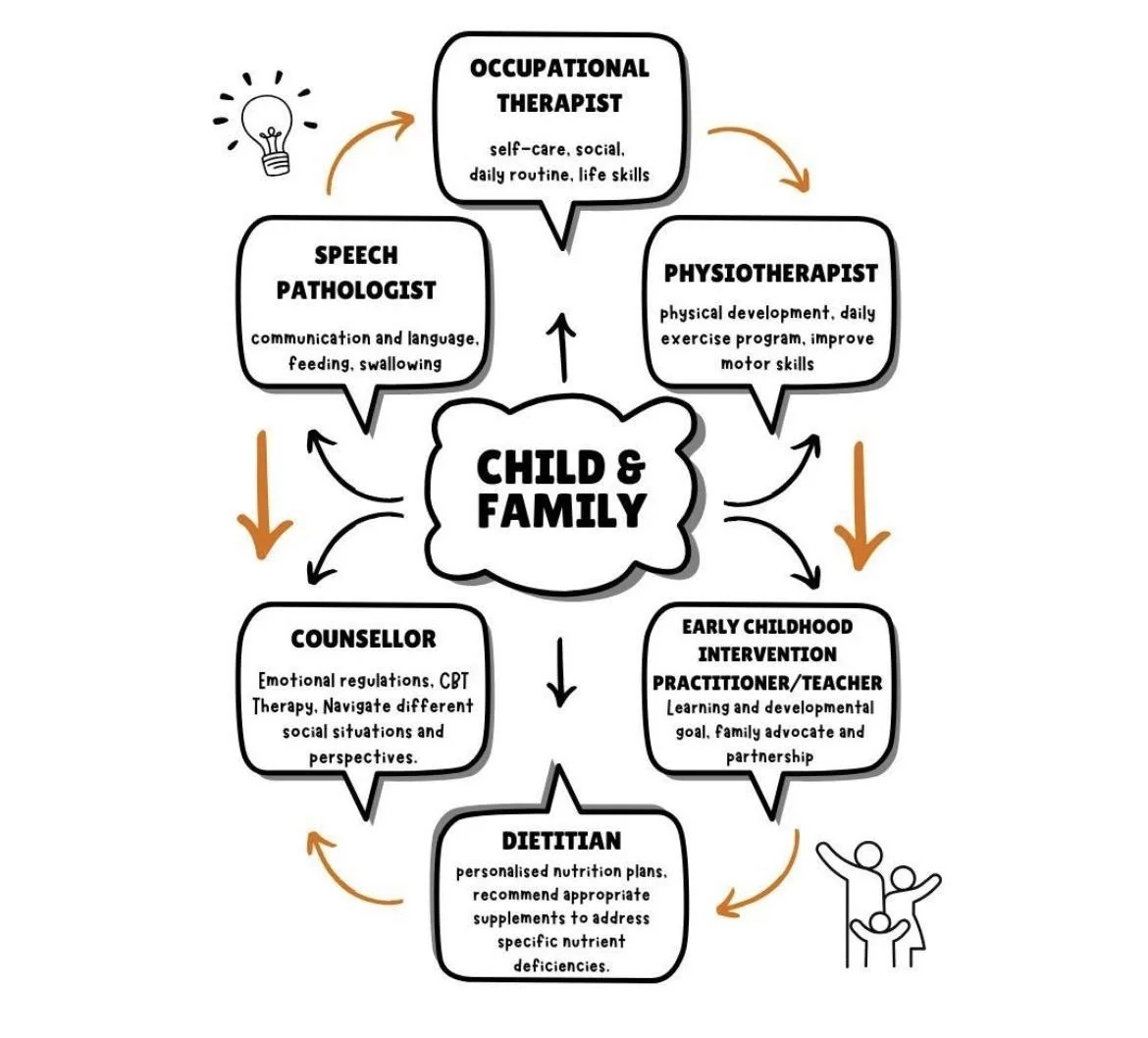
Figure 5. Multidisciplinary approach to early intervention, with the child and family at the centre.
12. Research gaps and future perspectives
Several priorities emerge from this review. First, culturally and linguistically validated screening tools are needed. Most existing instruments were developed in high-income, English-speaking settings, and their accuracy in other populations is often unknown. Validation, adaptation and norming in diverse groups, including bilingual children, are urgently needed.Second, earlier recognition in underserved populations requires approaches that fit local resources: simple tools usable by community health workers, integration with existing child health and nutrition programmes, and evaluation of their effect on outcomes. Third, better recognition in girls demands research on sex-related differences in presentation, the development of tools sensitive to masked or subtle presentations, and clinician training.Fourth, digital developmental monitoring offers promising opportunities, including smartphone applications for milestone tracking, video-based analysis of behaviour, and machine-learning decision support. One AI-based device for autism diagnosis support has been evaluated in a prospective study, showing potential but also illustrating the need for validation across diverse groups and careful integration with clinical judgement [48]. Fifth, telehealth-based developmental assessment, expanded considerably in recent years, may reduce travel and waiting times, but its accuracy, acceptability and equity effects require systematic evaluation, since it may disadvantage families without reliable connectivity.Sixth, improved training for primary healthcare professionals in surveillance, communication with parents and interpretation of screening is likely to yield large benefits at low cost. Finally, long-term research on early intervention is needed to clarify which interventions work, for whom, at what intensity and age, and with what effect on outcomes that matter to families, such as communication, independence, mental health and quality of life. A move towards outcomes defined with autistic people and families, and towards stratified and personalised care, has been advocated by international commissions [42].
13. Conclusion
Early detection of neurodevelopmental disorders is a process, not an event. It begins with an understanding of typical development and an awareness of warning signs, particularly delay across domains, atypical quality of skills and any loss of previously acquired abilities. It relies on developmental surveillance that listens to parents and observes children at every opportunity, supported by validated screening tools that identify those needing further evaluation. Comprehensive clinical assessment, with a careful history, physical and neurological examination, developmental testing, and hearing and vision assessment, remains the foundation of diagnosis, and screening and diagnostic instruments inform but never replace clinical judgement.The obstacles are real: overlapping symptoms, normal variability, limited awareness, cultural and linguistic differences, scarce resources, under-recognition in girls, inconsistent screening and delayed referral. They can be reduced through culturally sensitive tools, trained primary-care clinicians, parallel referral pathways and coordinated services. Above all, support should follow need rather than a label. Children and families benefit most when concerns are acted on promptly, intervention begins early, multidisciplinary teams work with parents as partners, and development continues to be monitored over time.
Reference
1. American Psychiatric Association. (2022). Diagnostic and statistical manual of mental disorders (5th ed., text rev.). American Psychiatric Association Publishing. (No DOI identified.)
2. Olusanya, B. O., Davis, A. C., Wertlieb, D., Boo, N. Y., Nair, M. K. C., Halpern, R., et al. (2018). Developmental disabilities among children younger than 5 years in 195 countries and territories, 1990–2016: A systematic analysis for the Global Burden of Disease Study 2016. The Lancet Global Health, 6(10), e1100–e1121. https://doi.org/10.1016/S2214-109X(18)30309-7
3. Black, M. M., Walker, S. P., Fernald, L. C. H., Andersen, C. T., DiGirolamo, A. M., Lu, C., et al. (2017). Early childhood development coming of age: Science through the life course. The Lancet, 389(10064), 77–90. https://doi.org/10.1016/S0140-6736(16)31389-7
4. Shonkoff, J. P., & Phillips, D. A. (Eds.). (2000). From neurons to neighborhoods: The science of early childhood development. National Academies Press. https://doi.org/10.17226/9824
5. Zeidan, J., Fombonne, E., Scorah, J., Ibrahim, A., Durkin, M. S., Saxena, S., et al. (2022). Global prevalence of autism: A systematic review update. Autism Research, 15(5), 778–790. https://doi.org/10.1002/aur.2696
6. Maenner, M. J., Warren, Z., Williams, A. R., Amoakohene, E., Bakian, A. V., Bilder, D. A., et al. (2023). Prevalence and characteristics of autism spectrum disorder among children aged 8 years: Autism and Developmental Disabilities Monitoring Network, 11 sites, United States, 2020. MMWR Surveillance Summaries, 72(2), 1–14. https://doi.org/10.15585/mmwr.ss7202a1
7. Daniels, A. M., & Mandell, D. S. (2014). Explaining differences in age at autism spectrum disorder diagnosis: A critical review. Autism, 18(5), 583–597. https://doi.org/10.1177/1362361313480277
8. Lipkin, P. H., & Macias, M. M. (2020). Promoting optimal development: Identifying infants and young children with developmental disorders through developmental surveillance and screening. Pediatrics, 145(1), Article e20193449. https://doi.org/10.1542/peds.2019-3449
9. Hyman, S. L., Levy, S. E., & Myers, S. M. (2020). Identification, evaluation, and management of children with autism spectrum disorder. Pediatrics, 145(1), Article e20193447. https://doi.org/10.1542/peds.2019-3447
10. Guthrie, W., Swineford, L. B., Nottke, C., & Wetherby, A. M. (2013). Early diagnosis of autism spectrum disorder: Stability and change in clinical diagnosis and symptom presentation. Journal of Child Psychology and Psychiatry, 54(5), 582–590. https://doi.org/10.1111/jcpp.12008
11. World Health Organization. (2020). Improving early childhood development: WHO guideline. World Health Organization.
12. National Institute for Health and Care Excellence. (2011). Autism spectrum disorder in under 19s: Recognition, referral and diagnosis (Clinical Guideline CG128; updated 2017). NICE.
13. Kuhl, P. K. (2004). Early language acquisition: Cracking the speech code. Nature Reviews Neuroscience, 5(11), 831–843. https://doi.org/10.1038/nrn1533
14. Gerber, R. J., Wilks, T., & Erdie-Lalena, C. (2010). Developmental milestones: Motor development. Pediatrics in Review, 31(7), 267–277. https://doi.org/10.1542/pir.31-7-267
15. Zubler, J. M., Wiggins, L. D., Macias, M. M., Whitaker, T. M., Shaw, J. S., Squires, J. K., et al. (2022). Evidence-informed milestones for developmental surveillance tools. Pediatrics, 149(3), Article e2021052138. https://doi.org/10.1542/peds.2021-052138
16. Hirota, T., & King, B. H. (2023). Autism spectrum disorder: A review. JAMA, 329(2), 157–168. https://doi.org/10.1001/jama.2022.23661
17. Wolraich, M. L., Hagan, J. F., Jr., Allan, C., Chan, E., Davison, D., Earls, M., et al. (2019). Clinical practice guideline for the diagnosis, evaluation, and treatment of attention-deficit/hyperactivity disorder in children and adolescents. Pediatrics, 144(4), Article e20192528. https://doi.org/10.1542/peds.2019-2528
18. Polanczyk, G. V., Willcutt, E. G., Salum, G. A., Kieling, C., & Rohde, L. A. (2014). ADHD prevalence estimates across three decades: An updated systematic review and meta-regression analysis. International Journal of Epidemiology, 43(2), 434–442. https://doi.org/10.1093/ije/dyt261
19. Moeschler, J. B., & Shevell, M. (2014). Comprehensive evaluation of the child with intellectual disability or global developmental delays. Pediatrics, 134(3), e903–e918. https://doi.org/10.1542/peds.2014-1839
20. Bishop, D. V. M., Snowling, M. J., Thompson, P. A., & Greenhalgh, T. (2017). Phase 2 of CATALISE: A multinational and multidisciplinary Delphi consensus study of problems with language development: Terminology. Journal of Child Psychology and Psychiatry, 58(10), 1068–1080. https://doi.org/10.1111/jcpp.12721
21. Blank, R., Barnett, A. L., Cairney, J., Green, D., Kirby, A., Polatajko, H., et al. (2019). International clinical practice recommendations on the definition, diagnosis, assessment, intervention, and psychosocial aspects of developmental coordination disorder. Developmental Medicine & Child Neurology, 61(3), 242–285. https://doi.org/10.1111/dmcn.14132
22. Srour, M., & Shevell, M. (2014). Genetics and the investigation of developmental delay/intellectual disability. Archives of Disease in Childhood, 99(4), 386–389. https://doi.org/10.1136/archdischild-2013-304063
23. Ozonoff, S., Young, G. S., Carter, A., Messinger, D., Yirmiya, N., Zwaigenbaum, L., et al. (2011). Recurrence risk for autism spectrum disorders: A Baby Siblings Research Consortium study. Pediatrics, 128(3), e488–e495. https://doi.org/10.1542/peds.2010-2825
24. Lai, M.-C., Lombardo, M. V., & Baron-Cohen, S. (2014). Autism. The Lancet, 383(9920), 896–910. https://doi.org/10.1016/S0140-6736(13)61539-1
25. Landa, R., & Garrett-Mayer, E. (2006). Development in infants with autism spectrum disorders: A prospective study. Journal of Child Psychology and Psychiatry, 47(6), 629–638. https://doi.org/10.1111/j.1469-7610.2006.01531.x
26. Ozonoff, S., Heung, K., Byrd, R., Hansen, R., & Hertz-Picciotto, I. (2008). The onset of autism: Patterns of symptom emergence in the first years of life. Autism Research, 1(6), 320–328. https://doi.org/10.1002/aur.53
27. Zwaigenbaum, L., Bryson, S., Lord, C., Rogers, S., Carter, A., Carver, L., et al. (2009). Clinical assessment and management of toddlers with suspected autism spectrum disorder: Insights from studies of high-risk infants. Pediatrics, 123(5), 1383–1391. https://doi.org/10.1542/peds.2008-1606
28. Novak, I., Morgan, C., Adde, L., Blackman, J., Boyd, R. N., Brunstrom-Hernandez, J., et al. (2017). Early, accurate diagnosis and early intervention in cerebral palsy: Advances in diagnosis and treatment. JAMA Pediatrics, 171(9), 897–907. https://doi.org/10.1001/jamapediatrics.2017.1689
29. Hadders-Algra, M. (2014). Early diagnosis and early intervention in cerebral palsy. Frontiers in Neurology, 5, Article 185. https://doi.org/10.3389/fneur.2014.00185
30. Robins, D. L., Casagrande, K., Barton, M., Chen, C.-M., Dumont-Mathieu, T., & Fein, D. (2014). Validation of the Modified Checklist for Autism in Toddlers, Revised with Follow-up (M-CHAT-R/F). Pediatrics, 133(1), 37–45. https://doi.org/10.1542/peds.2013-1813
31. Sheldrick, R. C., & Garfinkel, D. (2017). Is a positive developmental-behavioral screening score sufficient to justify referral? A review of evidence and theory. Academic Pediatrics, 17(5), 464–470. https://doi.org/10.1016/j.acap.2017.01.016
32. Squires, J., & Bricker, D. (2009). Ages & stages questionnaires (3rd ed.). Paul H. Brookes Publishing.
33. Glascoe, F. P. (1998). Parents’ evaluation of developmental status (PEDS). Ellsworth & Vandermeer Press.
34. Lord, C., Rutter, M., DiLavore, P. C., Risi, S., Gotham, K., & Bishop, S. (2012). Autism diagnostic observation schedule (2nd ed.). Western Psychological Services.
35. Lord, C., Rutter, M., & Le Couteur, A. (1994). Autism Diagnostic Interview-Revised: A revised version of a diagnostic interview for caregivers of individuals with possible pervasive developmental disorders. Journal of Autism and Developmental Disorders, 24(5), 659–685. https://doi.org/10.1007/BF02172145
36. Bayley, N. (2006). Bayley scales of infant and toddler development (3rd ed.). Pearson.
37. Schopler, E., Van Bourgondien, M. E., Wellman, G. J., & Love, S. R. (2010). Childhood autism rating scale (2nd ed.). Western Psychological Services.
38. Loomes, R., Hull, L., & Mandy, W. P. L. (2017). What is the male-to-female ratio in autism spectrum disorder? A systematic review and meta-analysis. Journal of the American Academy of Child & Adolescent Psychiatry, 56(6), 466–474. https://doi.org/10.1016/j.jaac.2017.03.013
39. Dworzynski, K., Ronald, A., Bolton, P., & Happé, F. (2012). How different are girls and boys above and below the diagnostic threshold for autism spectrum disorders? Journal of the American Academy of Child & Adolescent Psychiatry, 51(8), 788–797. https://doi.org/10.1016/j.jaac.2012.05.018
40. Mandell, D. S., Novak, M. M., & Zubritsky, C. D. (2005). Factors associated with age of diagnosis among children with autism spectrum disorders. Pediatrics, 116(6), 1480–1486. https://doi.org/10.1542/peds.2005-0185
41. Gordon-Lipkin, E., Foster, J., & Peacock, G. (2016). Whittling down the wait time: Exploring models to minimize the delay from initial concern to diagnosis and treatment of autism spectrum disorder. Pediatric Clinics of North America, 63(5), 851–859. https://doi.org/10.1016/j.pcl.2016.06.007
42. Lord, C., Charman, T., Havdahl, A., Carbone, P., Anagnostou, E., Boyd, B., et al. (2022). The Lancet Commission on the future of care and clinical research in autism. The Lancet, 399(10321), 271–334. https://doi.org/10.1016/S0140-6736(21)01541-5
43. Dawson, G., Rogers, S., Munson, J., Smith, M., Winter, J., Greenson, J., et al. (2010). Randomized, controlled trial of an intervention for toddlers with autism: The Early Start Denver Model. Pediatrics, 125(1), e17–e23. https://doi.org/10.1542/peds.2009-0958
44. Green, J., Charman, T., McConachie, H., Aldred, C., Slonims, V., Howlin, P., et al. (2010). Parent-mediated communication-focused treatment in children with autism (PACT): A randomised controlled trial. The Lancet, 375(9732), 2152–2160. https://doi.org/10.1016/S0140-6736(10)60587-9
45. Pickles, A., Le Couteur, A., Leadbitter, K., Salomone, E., Cole-Fletcher, R., Tobin, H., et al. (2016). Parent-mediated social communication therapy for young children with autism (PACT): Long-term follow-up of a randomised controlled trial. The Lancet, 388(10059), 2501–2509. https://doi.org/10.1016/S0140-6736(16)31229-6
46. Whitehouse, A. J. O., Varcin, K. J., Pillar, S., Billingham, W., Alvares, G. A., Barbaro, J., et al. (2021). Effect of preemptive intervention on developmental outcomes among infants showing early signs of autism: A randomized clinical trial of outcomes to diagnosis. JAMA Pediatrics, 175(11), Article e213298. https://doi.org/10.1001/jamapediatrics.2021.3298
47. Sandbank, M., Bottema-Beutel, K., Crowley, S., Cassidy, M., Dunham, K., Feldman, J. I., et al. (2020). Project AIM: Autism intervention meta-analysis for studies of young children. Psychological Bulletin, 146(1), 1–29. https://doi.org/10.1037/bul0000215
48. Megerian, J. T., Dey, S., Melmed, R. D., Coury, D. L., Lerner, M., Nicholls, C. J., et al. (2022). Evaluation of an artificial intelligence-based medical device for diagnosis of autism spectrum disorder. NPJ Digital Medicine, 5, Article 57. https://doi.org/10.1038/s41746-022-00598-6