
The Absent Flow: Primary and Secondary Amenorrhea in Indian Women—A Comprehensive Review of Diagnosis, Etiology, and Management
1. Aidarbek kyzy Aidanek
2. Purohit Narendra
Gohar Mehkan
Noor Naba
(1. Teacher, International Medical Faculty, Osh State University, Osh, Kyrgyz Republic.
2. Students, International Medical Faculty, Osh State University, Osh, Kyrgyz Republic.)
Abstract
Amenorrhea, the absence of menstrual bleeding, represents one of the most clinically significant and emotionally distressing gynecological presentations, signaling underlying pathology that spans the spectrum from constitutional delay to life-threatening intracranial lesions. In the Indian context, where menstruation is deeply entwined with concepts of femininity, fertility, and social worth, the absence of periods carries psychological burdens that compound the medical implications of underlying disease. Primary amenorrhea, affecting approximately one percent of Indian adolescent girls, and secondary amenorrhea, with prevalence estimates of three to five percent in reproductive-aged women, demand systematic diagnostic evaluation that is often delayed by cultural concealment, limited health system access, and the normalization of menstrual irregularity. This review examines the etiological landscape of amenorrhea in Indian women, exploring how constitutional, genetic, endocrine, anatomical, and functional causes interact with Indian-specific factors including nutritional deficiency, chronic infection, and psychosocial stress to produce distinctive patterns of disease. Drawing upon Indian hospital-based cohorts, regional genetic studies, and the limited national data available, we synthesize current approaches to diagnostic evaluation appropriate for resource-variable settings, management strategies spanning hormonal replacement, fertility preservation, and surgical intervention, and the particular considerations for adolescents navigating pubertal delay, for women with polycystic ovary syndrome in a metabolic transition society, and for those facing premature ovarian insufficiency in a culture that closely links womanhood with childbearing. The findings reveal that while the diagnostic framework for amenorrhea is well-established globally, its application in India requires adaptation to high prevalence of nutritional and infectious causes, limited availability of advanced reproductive endocrinology and genetic testing, and the imperative to address patient and family distress surrounding fertility implications. This review argues that the dignified management of amenorrhea in Indian women demands not merely technical diagnostic competence but sensitive communication about sensitive matters, health system strengthening that brings specialized gynecological endocrinology within reach of rural and marginalized populations, and community engagement that challenges the stigma surrounding menstrual absence and supports affected women in achieving their reproductive and life goals.
1. Introduction
The young woman seated in the gynecology outpatient department of a tertiary hospital in Chennai presents a history that has unfolded over years of silence and growing concern. Now nineteen years old, she has never experienced menstrual bleeding, though her breast development began at twelve and her mother and sisters all menstruated by fourteen. The family, initially attributing the delay to constitutional variation, has grown increasingly anxious as peers married and her own marriage prospects seemed to recede. Clinical examination reveals normal breast development and pubic hair, but a blind-ending vaginal pouch with no visible cervix. Ultrasound demonstrates a normal-appearing uterus and ovaries above the vaginal atresia, and subsequent examination under anesthesia with vaginoscopy confirms the diagnosis of isolated vaginal agenesis with a functioning uterus—a condition surgically correctable, but only after years of unnecessary anxiety and social limitation. This case, representative of thousands of Indian women with primary amenorrhea, illustrates the intersection of anatomical anomaly, diagnostic delay, and profound psychosocial consequence that characterizes amenorrhea management in the Indian context.
The absence of menstruation, whether never established or lost after previous cycles, represents a departure from the expected developmental trajectory that demands explanation. Menstruation, while only one manifestation of the complex hypothalamic-pituitary-ovarian-endometrial axis, serves as the visible marker of female reproductive potential that is monitored by women themselves, their families, and their communities. Its absence—whether from physiological delay, anatomical obstruction, endocrine dysfunction, or ovarian failure—creates anxiety that extends far beyond the medical implications of underlying pathology to encompass identity, fertility, marriageability, and social standing. In Indian society, where arranged marriage remains predominant and childbearing is central to women's familial role, the implications of amenorrhea for reproductive prognosis can be devastating, with affected women facing discrimination, marital abandonment, and psychological distress that compounds their medical condition.
The epidemiology of amenorrhea in India reflects the convergence of universal biological causes with specific environmental and genetic factors that shape disease patterns. Primary amenorrhea, defined as the absence of menarche by age fifteen in the presence of secondary sexual characteristics or by age thirteen in their absence, affects approximately one percent of Indian girls, with higher prevalence in populations with high rates of consanguineous marriage and genetic isolates. Secondary amenorrhea, defined as the absence of menses for three months in women with previous regular cycles or six months in women with previous irregular cycles, affects three to five percent of reproductive-aged women, with polycystic ovary syndrome representing the predominant cause in Indian studies. The distinction between primary and secondary amenorrhea, while clinically useful, is not absolute—some conditions including gonadal dysgenesis and hypothalamic dysfunction may present with primary amenorrhea in some individuals and secondary in others depending on timing and severity.
The diagnostic evaluation of amenorrhea follows a systematic framework that has been established through international consensus but requires adaptation to Indian contexts where advanced testing is unavailable and where specific causes including tuberculosis, chronic malnutrition, and severe psychosocial stress predominate. The traditional classification into hypothalamic, pituitary, ovarian, and uterine causes, while anatomically logical, has been supplemented by functional categories including energy deficiency, stress, and systemic disease that are particularly relevant to the Indian clinical landscape. The availability of sensitive gonadotropin assays, high-resolution pelvic ultrasound, and genetic testing has transformed diagnostic precision in affluent urban centers, but the majority of Indian women with amenorrhea remain dependent on clinical assessment and basic hormonal evaluation, with referral to specialized centers reserved for complex or refractory cases.
The management of amenorrhea must address both the underlying pathology and its consequences, including hypoestrogenism with its risks for bone density loss and cardiovascular disease, fertility implications that may require assisted reproduction or fertility preservation, and the psychological distress that frequently accompanies diagnosis. In the Indian context, management decisions are rarely individual but involve family negotiation around marriage prospects, disclosure of condition, and acceptance of alternative reproductive possibilities including adoption or childlessness. The technical capabilities for fertility preservation through oocyte or embryo cryopreservation, for gestational surrogacy when uterine factors preclude pregnancy, and for complex surgical correction of anatomical anomalies are concentrated in metropolitan private hospitals, creating profound inequities in outcome for women based on geography and economic resources.
This review examines primary and secondary amenorrhea in Indian women through the lens of clinical medicine and public health, acknowledging the sociocultural context that shapes presentation and management while maintaining commitment to evidence-based practice. We explore the developmental trajectory from adolescent pubertal concerns through reproductive maturity to premature ovarian failure, recognizing that each life stage presents distinct clinical considerations and emotional challenges. Throughout, we center the voices and experiences of Indian women and girls—the teenager concealing her absent periods from a mother she cannot tell, the young wife facing marital crisis when infertility is discovered, the professional woman navigating premature menopause in a society that does not discuss such matters—whose medical conditions demand not merely technical intervention but compassionate care that restores hope and possibility.
2. Methods
This narrative review was conducted through systematic examination of the peer-reviewed literature, clinical practice guidelines, and case series pertaining to primary and secondary amenorrhea in Indian women. Our scope encompasses females from the expected age of menarche through the natural menopausal transition, with attention to age-specific considerations in etiology, evaluation, and management.
We searched PubMed, Embase, the Cochrane Library, and Indian databases including the Journal of Obstetrics and Gynecology of India, Indian Journal of Pediatrics, and Indian Journal of Endocrinology and Metabolism using combinations of MeSH terms and keywords including "amenorrhea," "primary amenorrhea," "secondary amenorrhea," "menstrual disorders," "delayed puberty," "gonadal dysgenesis," "Turner syndrome," "Mullerian agenesis," "MRKH," "polycystic ovary syndrome," "PCOS," "hypothalamic amenorrhea," "functional hypothalamic amenorrhea," "premature ovarian insufficiency," "POI," "hyperprolactinemia," "thyroid disorders," "eating disorders," "India," "South Asia," "karyotype," "FSH," "LH," "estradiol," "prolactin," "TSH," "hormone replacement therapy," "fertility preservation," and "assisted reproduction."
Key Indian studies include the large hospital-based cohorts from All India Institute of Medical Sciences describing etiological patterns of primary amenorrhea, the multicenter studies of PCOS prevalence and phenotype from various Indian cities, the genetic studies of gonadal dysgenesis from Chennai and Delhi, and the case series of Mullerian anomalies from specialized surgical centers. The limited community-based data on amenorrhea prevalence draws upon the National Family Health Survey and adolescent health studies from various states.
Management outcome studies include Indian experiences with hormone replacement therapy adherence, fertility outcomes in PCOS and hypothalamic amenorrhea, and surgical correction of vaginal agenesis. The synthesis integrates biomedical evidence with perspectives from medical anthropology, health systems research, and gender studies, acknowledging the sociocultural barriers that shape care-seeking and management in Indian contexts.
3. Results
3.1 Definitions, Classification, and Epidemiology in Indian Contexts
The classification of amenorrhea in Indian women follows international consensus definitions that require adaptation to local patterns of pubertal timing and cultural expectations. Primary amenorrhea, historically defined as absence of menarche by age sixteen, has been revised to age fifteen in the presence of normal secondary sexual characteristic development, or age thirteen if secondary sexual characteristics are absent, reflecting the secular trend toward earlier menarche and the imperative not to delay evaluation of significant delay. In Indian populations, where mean age at menarche ranges from twelve to thirteen years with substantial regional and socioeconomic variation, these thresholds require clinical judgment that considers individual growth trajectory and family patterns rather than rigid application.
Secondary amenorrhea is defined as the absence of menstrual bleeding for three consecutive months in women with previously regular cycles, or six months in women with previous oligomenorrhea, acknowledging that women with irregular cycles may experience longer intervals without necessarily indicating pathology. The prevalence of secondary amenorrhea in Indian women, estimated at three to five percent in hospital-based studies, likely underestimates true community prevalence due to underreporting of menstrual irregularity and limited health-seeking for non-acute symptoms. The distinction between physiological states including pregnancy, lactation, and postmenopausal amenorrhea and pathological amenorrhea requires careful history-taking, with pregnancy remaining the most common cause of secondary amenorrhea in reproductive-aged women and mandatory exclusion in all cases.
The etiological classification of amenorrhea has evolved from anatomical categories to functional frameworks that better guide diagnostic evaluation. The traditional division into hypothalamic, pituitary, ovarian, and uterine causes, while retaining utility for organizing differential diagnosis, has been supplemented by recognition that functional hypothalamic amenorrhea—resulting from energy deficiency, excessive exercise, or psychosocial stress—represents a common and potentially reversible cause that demands different management than organic hypothalamic disease. The hyperandrogenic anovulation of PCOS, now recognized as the predominant cause of secondary amenorrhea in many populations including India, requires distinct diagnostic criteria and management approaches. And the premature ovarian insufficiency that affects one percent of women under forty, with higher prevalence suggested in some Indian studies, carries particular implications for fertility and long-term health that demand specialized management.
The epidemiology of primary amenorrhea in India reflects the genetic diversity and consanguinity patterns of the subcontinent. Chromosomal abnormalities including Turner syndrome (45,X and variants) account for approximately one-third of primary amenorrhea cases in Indian hospital cohorts, with phenotypic presentation varying from the classic webbed neck and short stature to near-normal appearance in mosaic forms. The Mullerian agenesis syndromes, including Mayer-Rokitansky-Kuster-Hauser syndrome with vaginal and uterine absence but normal ovaries, represent another quarter of cases, with genetic studies suggesting both sporadic and familial patterns. Gonadal dysgenesis with normal karyotype, including Swyer syndrome (46,XY complete gonadal dysgenesis), accounts for approximately ten percent of cases and carries particular significance due to malignant potential of dysgenetic gonads requiring prophylactic removal. Constitutional delay of puberty, while technically a variant of normal rather than pathology, represents a substantial proportion of referrals for primary amenorrhea and requires careful differentiation from permanent hypogonadism.
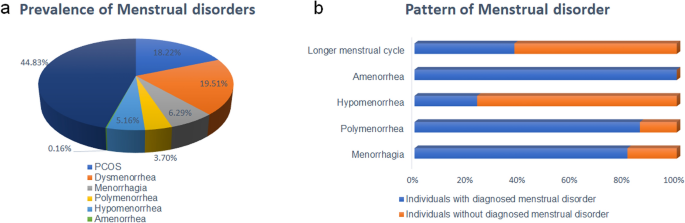
Secondary amenorrhea in Indian women demonstrates etiological patterns that reflect the nutritional, infectious, and metabolic environment. Polycystic ovary syndrome, with prevalence estimates of six to twenty percent depending on diagnostic criteria, represents the predominant cause in most Indian series, with clinical presentation often emphasizing menstrual irregularity and infertility over the cosmetic concerns of hirsutism and acne that predominate in Western populations. Hypothalamic amenorrhea, whether from functional energy deficiency or organic causes including tumors and infiltrative diseases, accounts for approximately ten percent of secondary amenorrhea, with severe malnutrition and eating disorders increasingly recognized in urbanizing populations. Hyperprolactinemia from prolactinomas or dopamine-antagonist medications affects five to ten percent, with availability of prolactin assay and pituitary imaging limited to urban centers. Thyroid disorders, particularly hypothyroidism in iodine-deficient regions and autoimmune thyroiditis in others, contribute to menstrual disturbance. Premature ovarian insufficiency, while less common than PCOS, affects one to three percent of women under forty and may be increasing with environmental exposures and autoimmune patterns.
3.2 Etiological Considerations and Indian Specificities
The etiological landscape of amenorrhea in Indian women encompasses universal causes with distinctive patterns shaped by genetic background, nutritional environment, infectious disease burden, and sociocultural factors. Understanding these Indian specificities is essential for appropriate diagnostic prioritization and management.
Constitutional delay of growth and puberty, while representing a variant of normal development rather than pathology, is frequently referred for evaluation of primary amenorrhea and requires differentiation from permanent hypogonadism. In Indian contexts, where chronic undernutrition affects approximately thirty percent of children and stunting prevalence exceeds thirty-five percent, the distinction between nutritional delay and constitutional delay may be blurred, with nutritional rehabilitation accelerating pubertal progression in many cases. Family patterns of delayed menarche, often present in constitutional delay, may be difficult to establish when mothers themselves experienced malnutrition-associated delay. The psychosocial distress of delayed puberty in a culture where early marriage is valued, and the risk of premature ovarian insufficiency if hypogonadism is misdiagnosed as delay, mandate careful evaluation including bone age assessment and gonadotropin measurement rather than mere observation.
Chromosomal abnormalities, particularly Turner syndrome and its variants, account for a substantial proportion of primary amenorrhea in Indian cohorts. The 45,X karyotype, resulting from loss of one sex chromosome through meiotic nondisjunction, produces the classic phenotype of short stature, webbed neck, broad chest, and primary amenorrhea due to gonadal dysgenesis, but mosaic forms with 45,X/46,XX or 46,X,i(Xq) may show partial pubertal development and present with secondary amenorrhea or infertility rather than primary amenorrhea. The availability of karyotype analysis, while expanding in urban India, remains limited in rural and public sector settings, with diagnosis often delayed or missed. The management of Turner syndrome extends beyond hormone replacement to include cardiovascular evaluation for coarctation and bicuspid aortic valve, renal ultrasound for anomalies, and educational support for potential spatial and mathematical learning difficulties—multidisciplinary care that is rarely available outside specialized centers.
Mullerian agenesis syndromes, including the Mayer-Rokitansky-Kuster-Hauser syndrome of vaginal and uterine absence with normal ovaries and 46,XX karyotype, represent a significant cause of primary amenorrhea in Indian women. The genetic basis remains incompletely understood, with both sporadic and familial cases reported, and associations with renal and skeletal anomalies that require systematic evaluation. The psychological impact of MRKH in a culture that closely links femininity with childbearing potential is profound, with affected women facing severe distress, marital abandonment, and social isolation. The surgical creation of a neovagina, while technically feasible, is often delayed by late presentation and limited access to specialized surgical centers. The newer approach of vaginal dilation as first-line therapy, avoiding surgery, requires patient education and follow-up that is challenging in Indian contexts where discussion of vaginal anatomy is taboo and compliance with self-administered therapy may be limited.
Gonadal dysgenesis with normal karyotype, including Swyer syndrome with 46,XY complete gonadal dysgenesis, presents with female external genitalia, normal stature, and primary amenorrhea due to non-functional gonads. The dysgenetic gonads carry high risk of gonadoblastoma and dysgerminoma, mandating prophylactic removal once diagnosed, with subsequent hormone replacement. The diagnosis requires karyotype analysis, which may be delayed or missed if primary amenorrhea is attributed to constitutional delay or Mullerian anomaly without gonadal evaluation. The fertility implications are absolute without oocyte donation or adoption, requiring sensitive counseling in a culture where genetic continuity is highly valued.
Polycystic ovary syndrome has emerged as the predominant cause of secondary amenorrhea in Indian women, with prevalence and phenotype reflecting the metabolic transition of urbanization. The Rotterdam diagnostic criteria—oligo/anovulation, hyperandrogenism, and polycystic ovarian morphology, with two of three required—identify a heterogeneous population with varying metabolic risk. Indian women with PCOS frequently demonstrate lower body mass index than Western counterparts but higher central adiposity and insulin resistance, with menstrual irregularity and infertility presenting complaints rather than hirsutism or acne that may be culturally concealed or attributed to normal variation. The long-term metabolic risks of PCOS—type 2 diabetes, cardiovascular disease, endometrial cancer—are particularly significant in the Indian context where these conditions are already epidemic, and where PCOS may represent an early manifestation of metabolic syndrome.
Hypothalamic amenorrhea, whether functional or organic, represents an important and potentially reversible cause of amenorrhea in Indian women. Functional hypothalamic amenorrhea results from energy deficiency relative to expenditure, whether through inadequate intake, excessive exercise, or psychological stress suppressing gonadotropin-releasing hormone pulsatility. In Indian contexts, severe malnutrition from poverty or eating disorders, intensive athletic training particularly in sports with weight categories, and severe psychosocial stress including academic pressure, family conflict, and gender-based violence contribute to functional hypothalamic amenorrhea. The diagnosis requires exclusion of organic hypothalamic disease including craniopharyngioma, pituitary adenoma, and infiltrative disorders, with limited availability of pituitary imaging and dynamic endocrine testing outside specialized centers. The management of functional hypothalamic amenorrhea emphasizes nutritional rehabilitation, stress reduction, and psychological support, with hormone replacement indicated when recovery is delayed to prevent bone loss.
Hyperprolactinemia, from prolactin-secreting pituitary adenomas or dopamine-antagonist medications including antipsychotics and metoclopramide, causes amenorrhea through suppression of gonadotropin-releasing hormone pulsatility. The availability of prolactin assay has expanded in urban India, but pituitary imaging with MRI remains limited and expensive, creating diagnostic delays. Medical management with dopamine agonists including cabergoline and bromocriptine is highly effective for prolactinomas, with surgery reserved for macroprolactinomas with mass effects or dopamine agonist resistance.
Thyroid disorders, particularly hypothyroidism in iodine-deficient regions and autoimmune thyroiditis in iodine-sufficient areas, contribute to menstrual disturbance through effects on gonadotropin secretion and sex hormone binding globulin. The availability of TSH testing has improved dramatically with point-of-care devices, though free T4 measurement and thyroid antibody testing remain limited. The management of hypothyroidism with levothyroxine is straightforward and often restores menstrual regularity.
Premature ovarian insufficiency, defined as amenorrhea with elevated FSH before age forty, affects approximately one percent of women globally with higher prevalence suggested in some Indian studies. The etiology includes genetic factors including FMR1 premutation, autoimmune associations including adrenal and thyroid autoimmunity, iatrogenic causes including chemotherapy and radiotherapy, and idiopathic cases. The implications for fertility are profound, with oocyte donation or adoption representing the only possibilities for genetic parenthood. The long-term health consequences of hypoestrogenism—osteoporosis, cardiovascular disease, cognitive impairment—demand hormone replacement at least until natural menopausal age, with fertility counseling and psychological support essential components of management.
3.3 Diagnostic Evaluation in Resource-Variable Settings
The diagnostic evaluation of amenorrhea in Indian women follows a systematic framework that must be adapted to available resources while maintaining safety and accuracy. The traditional stepwise approach—history, examination, pregnancy test, basic hormonal evaluation, and targeted advanced testing—requires modification based on setting, with referral networks essential for complex cases.
History-taking for amenorrhea demands sensitivity to cultural constraints on disclosure and the gathering of detailed information about pubertal development, menstrual history, sexual activity, and symptoms that may indicate underlying pathology. The age at menarche of mother and sisters, relevant for constitutional delay assessment, may be unknown or inaccurately recalled. History of cyclical pain in primary amenorrhea suggests outflow obstruction with functioning endometrium, requiring urgent evaluation. Sexual history, essential for pregnancy exclusion and sexually transmitted infection risk assessment, may be difficult to obtain in unmarried women due to cultural taboos, requiring sensitive phrasing and assurance of confidentiality. Symptoms of estrogen deficiency—hot flushes, vaginal dryness, sleep disturbance—suggest ovarian insufficiency, while galactorrhea suggests hyperprolactinemia, and hirsutism suggests PCOS or androgen-secreting tumors.
Physical examination includes assessment of stature, body mass index, and pubertal staging using Tanner criteria, with particular attention to signs of Turner syndrome including short stature, webbed neck, and wide carrying angle. Breast development indicates estrogen exposure, whether from endogenous ovarian function or exogenous sources, while absent breast development suggests primary hypogonadism or constitutional delay. Genital examination, frequently stressful for unmarried Indian women, should be conducted with sensitivity and may be deferred if ultrasound can provide equivalent information, though evaluation of vaginal patency is essential for primary amenorrhea diagnosis. Speculum examination is rarely possible or appropriate in unmarried women, with rectal or ultrasound assessment substituting for uterine and adnexal evaluation.
The initial laboratory evaluation includes pregnancy testing for all reproductive-aged women, regardless of reported sexual activity, using urine or serum beta-hCG. Basic hormonal evaluation includes follicle-stimulating hormone (FSH) and luteinizing hormone (LH) to assess ovarian function and hypothalamic-pituitary status, estradiol to assess estrogen status, thyroid-stimulating hormone (TSH) to screen for thyroid dysfunction, and prolactin to screen for hyperprolactinemia. The interpretation of gonadotropins requires attention to assay variability and the pulsatile nature of secretion; elevated FSH (>25-40 IU/L) indicates primary ovarian insufficiency, while low or normal FSH with low estradiol suggests hypothalamic or pituitary dysfunction, and normal or low FSH with normal or elevated estradiol suggests PCOS or outflow obstruction.
Pelvic ultrasound, now widely available even in district hospitals, provides essential anatomical information including uterine presence and morphology, endometrial thickness, ovarian size and follicle count, and adnexal masses. In primary amenorrhea, absent uterus with normal ovaries suggests Mullerian agenesis, while absent uterus with streak gonads suggests androgen insensitivity or gonadal dysgenesis. In secondary amenorrhea, polycystic ovarian morphology supports PCOS diagnosis, while small ovaries with few follicles suggest ovarian insufficiency.
Advanced testing, including karyotype analysis, is indicated for primary amenorrhea with elevated FSH, short stature, or clinical suspicion of Turner syndrome or gonadal dysgenesis. The availability of karyotyping is limited to major centers, with delays in reporting common. Genetic testing for specific mutations including FMR1 premutation for premature ovarian insufficiency, androgen receptor mutations for androgen insensitivity, and GNAS mutations for Albright hereditary osteodystrophy is available only in specialized research or commercial laboratories, with cost often prohibitive. Hysterosalpingography or hysteroscopy, for evaluation of uterine cavity in secondary amenorrhea or suspected outflow obstruction, requires referral to specialized centers.
The diagnostic approach must be staged based on resource availability, with initial evaluation in primary care or district hospital settings including history, examination, pregnancy test, basic hormones, and ultrasound, and referral for karyotype, pituitary imaging, or surgical evaluation based on initial findings. The development of telemedicine networks and hub-and-spoke referral systems offers potential for improving diagnostic access, with expert consultation and image sharing enabling management guidance without patient travel.
3.4 Management Strategies and Considerations
The management of amenorrhea in Indian women must address underlying pathology, restore hormonal function where possible, preserve or enable fertility according to patient goals, and provide long-term health protection for hypoestrogenic states. The adaptation of management to Indian contexts requires attention to cost, availability, cultural acceptability, and family involvement in decision-making.
For constitutional delay of puberty, expectant management with reassurance and nutritional support is appropriate, with hormone replacement reserved for significant psychosocial distress or when bone age delay suggests prolonged wait. The short-term use of low-dose estrogen to induce pubertal changes, followed by cyclic estrogen-progestin to establish regular withdrawal bleeding, may be offered to adolescents with severe distress, with careful explanation that this is temporary and does not affect ultimate height or fertility.
For permanent hypogonadism including Turner syndrome, gonadal dysgenesis, and premature ovarian insufficiency, hormone replacement therapy is indicated to induce or maintain secondary sexual characteristics, establish cyclic bleeding if desired, and protect bone and cardiovascular health. The standard regimen involves unopposed estrogen for initial breast development or until adequate maturity, followed by cyclic or continuous combined estrogen-progestin. The available formulations in India include oral conjugated estrogens, ethinyl estradiol, and transdermal estradiol patches, with progestins including medroxyprogesterone acetate and natural progesterone. Adherence is frequently suboptimal due to side effects, cost, and the need for long-term commitment, with counseling emphasizing the health benefits beyond menstrual regulation.
For Mullerian agenesis, management addresses both anatomical correction and psychological support. The creation of a functional vagina may be achieved through non-surgical dilation using graduated dilators, a technique that requires patient education and compliance but avoids surgical morbidity. Surgical vaginoplasty, including the McIndoe procedure with split-thickness skin graft or the Davydov procedure using peritoneum, is available in specialized centers for failed dilation or patient preference. The psychological impact of MRKH, particularly regarding fertility and sexual function, demands sensitive counseling and peer support, with patient organizations and online communities increasingly providing resources that were previously unavailable.
For polycystic ovary syndrome, management addresses menstrual regulation, hyperandrogenic symptoms, metabolic risk, and fertility according to patient priorities. Combined oral contraceptives regulate cycles and reduce androgenic symptoms, with anti-androgenic progestins preferred for hirsutism. Metformin improves insulin sensitivity and may restore ovulation, with benefits for metabolic risk reduction. Lifestyle modification emphasizing weight reduction through diet and exercise is first-line therapy, though implementation is challenging. For fertility desire, ovulation induction with clomiphene citrate or letrozole is first-line, with gonadotropin therapy and assisted reproductive technology reserved for refractory cases. The long-term monitoring for diabetes, cardiovascular disease, and endometrial cancer is essential but rarely systematically implemented.
For functional hypothalamic amenorrhea, management emphasizes nutritional rehabilitation, reduction of excessive exercise, and psychological support for stress or eating disorders. The involvement of nutritionists, psychologists, and family counseling may be necessary. Hormone replacement is indicated when recovery is prolonged to prevent bone loss, though the restoration of natural cycles is the ultimate goal.
For hyperprolactinemia, dopamine agonist therapy with cabergoline or bromocriptine is highly effective, with surgery reserved for macroprolactinomas with mass effects or resistance. The restoration of fertility is often rapid following prolactin normalization.
For premature ovarian insufficiency, hormone replacement to natural menopausal age is indicated for bone and cardiovascular protection, with fertility counseling regarding oocyte donation, embryo donation, or adoption. The psychological impact of premature loss of fertility demands sensitive support, with peer counseling and patient organizations providing valuable resources.
Fertility preservation for women facing gonadotoxic therapy, including oocyte or embryo cryopreservation, is available only in major metropolitan centers and unaffordable for most Indian women, creating profound inequity in reproductive autonomy. The development of affordable fertility preservation and the expansion of oocyte donation programs are essential for addressing this need.
4. Discussion
The evidence synthesized in this review reveals amenorrhea in Indian women as a condition of diverse etiology and profound consequence that remains inadequately addressed by health systems and social structures. The persistence of diagnostic delay, the concentration of specialized care in urban private sectors, and the psychological and social burdens of menstrual absence in a culture that closely links femininity with fertility create a crisis of preventable suffering and inequitable outcomes.
The diagnostic framework for amenorrhea, while well-established globally, requires adaptation to Indian contexts where advanced testing is unavailable and where specific causes including malnutrition, tuberculosis, and severe psychosocial stress predominate. The stepwise approach to evaluation, with initial assessment in accessible settings and referral for complex cases, offers a rational framework but depends upon functional referral networks and specialist availability that are often lacking. The development of telemedicine and hub-and-spoke models offers potential for improving access, but requires investment in connectivity and human resources that has been inadequate.
The management of amenorrhea must address not merely the underlying pathology but its consequences for bone health, cardiovascular risk, fertility, and psychological well-being. The availability of hormone replacement therapy, while theoretically universal, is constrained by cost, side effects, and adherence challenges that limit long-term protection. The fertility implications of permanent hypogonadism or anatomical anomaly carry particular weight in Indian society, with oocyte donation, surrogacy, and adoption presenting options that are financially inaccessible to most and socially complicated for all.
The specific vulnerabilities of Indian women—nutritional deficiency endemic from childhood, early marriage and pressure for immediate childbearing, limited autonomy in health decision-making, and stigma surrounding menstrual and fertility disorders—shape the presentation, consequences, and management of amenorrhea in ways that demand culturally informed, patient-centered care. The integration of medical management with psychological support, family counseling, and community engagement is essential but rarely achieved in overstretched health systems.
The adolescent with primary amenorrhea, the young woman with PCOS-related infertility, and the professional woman facing premature ovarian insufficiency each present distinct challenges that span medical, psychological, and social domains. The health system response to these challenges—delayed diagnosis, limited specialized care, inadequate counseling, and profound inequity in fertility preservation—reflects broader failures in women's health prioritization that demand policy attention and resource commitment.
5. Conclusion
Primary and secondary amenorrhea in Indian women represent conditions of significant prevalence and profound consequence that persist despite available diagnostic and therapeutic capabilities. The absence of menstruation, whether from developmental delay, anatomical anomaly, endocrine dysfunction, or ovarian failure, carries implications for health, fertility, and social standing that demand systematic, sensitive, and equitable clinical response.
The path forward requires health system strengthening that brings specialized gynecological endocrinology within reach of rural and marginalized populations, community engagement that challenges the stigma surrounding menstrual absence and supports affected women, and policy attention that recognizes reproductive health as fundamental to gender equity. The technical solutions—accurate diagnosis, appropriate hormone replacement, fertility preservation, and psychological support—must be made accessible and affordable to all women regardless of geography or economic status.
For the teenager concealing her absent periods, for the young wife facing marital crisis when infertility is discovered, for the professional woman navigating premature menopause in a society that does not discuss such matters, the promise of dignified, comprehensive care remains unfulfilled. The elimination of preventable diagnostic delay and the provision of equitable, compassionate management for all women with amenorrhea is achievable with existing knowledge and tools; what is required is the will and resources to deploy them, and the courage to challenge the silence and shame that surrounds menstrual and reproductive health in Indian society.
References
International Institute for Population Sciences (IIPS) and ICF. National Family Health Survey (NFHS-5), 2019-21: India. Mumbai: IIPS; 2022.
Sharma A, Taneja DK, Sharma P, Saha R. Problems related to menstruation amongst adolescent girls. Indian J Pediatr. 2008;75(7):669-672.
Radha S, Vijayalakshmi S, Anantha E, et al. Prevalence of dysmenorrhea and its impact on school performance and attendance among adolescent girls in rural South India. Int J Community Med Public Health. 2016;3(8):2121-2126.
Sachdeva G, Sharma K, Raizada N, et al. Prevalence of polycystic ovary syndrome in Indian adolescents. J Pediatr Adolesc Gynecol. 2018;31(5):538-543.
Radha S, Vijayalakshmi S, Anantha E, et al. Prevalence of polycystic ovarian syndrome among adolescent girls in a rural area of South India. Int J Reprod Contracept Obstet Gynecol. 2016;5(10):3493-3496.
Indian Council of Medical Research (ICMR). Guidelines on Diagnosis and Management of Polycystic Ovary Syndrome. New Delhi: ICMR; 2017.
Legro RS, Arslanian SA, Ehrmann DA, et al. Diagnosis and treatment of polycystic ovary syndrome: an Endocrine Society clinical practice guideline. J Clin Endocrinol Metab. 2013;98(12):4565-4592.
Colah RB, Mukherjee MB, Martin S, Ghosh K. Sickle cell disease in tribal populations in India. Indian J Med Res. 2015;141(5):509-515.
Verma IC, Saxena R, Kohli S. Thalassemia screening in India: present status and the way forward. Indian J Med Res. 2019;149(5):599-601.
Colah R, Italia K, Gorakshakar A. Burden of thalassemia in India: the road map for control and management ordeal. Hemoglobin. 2017;41(4-6):233-238.
Federation of Obstetric and Gynaecological Societies of India (FOGSI). Consensus Statement on Management of Amenorrhea. Mumbai: FOGSI; 2015.
Practice Committee of the American Society for Reproductive Medicine. Current evaluation of amenorrhea. Fertil Steril. 2008;90(5 Suppl):S219-S225.
Welt CK, Chan JL, Bullen J, et al. Recombinant human leptin in women with hypothalamic amenorrhea. N Engl J Med. 2004;351(10):987-997.
Gordon CM, Ackerman KE, Berga SL, et al. Functional hypothalamic amenorrhea: an Endocrine Society clinical practice guideline. J Clin Endocrinol Metab. 2017;102(5):1413-1439.
Nelson LM, Covington SN, Rebar RW. An update: spontaneous premature ovarian failure is not an early menopause. Fertil Steril. 2005;83(5):1327-1332.
Shelling AN. Premature ovarian failure and reproduction. Curr Opin Obstet Gynecol. 2010;22(4):313-318.
Aittomäki K, Lucena JL, Pakarinen P, et al. Mutation in the follicle-stimulating hormone receptor gene causes hereditary hypergonadotropic ovarian failure. Cell. 1995;82(6):959-968.
Qin Y, Jiao X, Simpson JL, Chen ZJ. Genetics of primary ovarian insufficiency: new developments and opportunities. Hum Reprod Update. 2015;21(6):787-808.