
Diphtheria overview of last 10 years in India
1. Mantasha Khan
2. Shakira Khan
3. Frazia
4. Nikhat Parween
(1. Student, International Medical Faculty, Osh State University, Osh, Kyrgyz Republic)
(2. Student, International Medical Faculty, Osh State University, Osh, Kyrgyz Republic)
(3. Student, International Medical Faculty, Osh State University, Osh, Kyrgyz Republic)
(4. Student, International Medical Faculty, Osh State University, Osh, Kyrgyz Republic)
Introduction
Diphtheria is a vaccine-preventable, toxin-mediated bacterial infection caused by Corynebacterium diphtheriae. Although global incidence has declined substantially following widespread immunization, diphtheria continues to persist in several low- and middle-income countries. India remains one of the largest contributors to the global diphtheria burden, reporting thousands of cases annually despite the availability of effective vaccines under the Universal Immunization Programme (UIP).
Between 2015 and 2025, India experienced sustained endemic transmission of diphtheria with periodic outbreaks reported across multiple states. Epidemiological studies during this period revealed a notable shift in disease occurrence from young children to older children and adolescents, largely attributed to waning immunity and inadequate booster dose coverage. The COVID-19 pandemic further disrupted routine immunization and disease surveillance, potentially leading to underreporting during 2020–2021 and a resurgence of cases in subsequent years.
This article aims to synthesize available epidemiological, clinical, and surveillance data on diphtheria in India from 2015 to 2025, highlighting trends, immunization gaps, and implications for disease control.
Methodologies:
Study Design
This study is a narrative review and secondary data synthesis of published literature and surveillance data on diphtheria in India.
Data Sources
● Peer-reviewed articles indexed in PubMed and PubMed Central
● State-level clinico-epidemiological studies from India
● WHO–UNICEF Joint Reporting Form (JRF) data
● CDC outbreak investigations
● National Health Profile and EPI factsheets
Inclusion Criteria
● Studies reporting diphtheria data from India
● Published between 2015 and 2025
● Containing epidemiological, clinical, or immunization-related data
Variables Analyzed
● Annual case counts
● Age distribution
● Immunization status
● Case fatality rate (CFR)
● Temporal and geographic trends
Results:
1. Temporal Trends
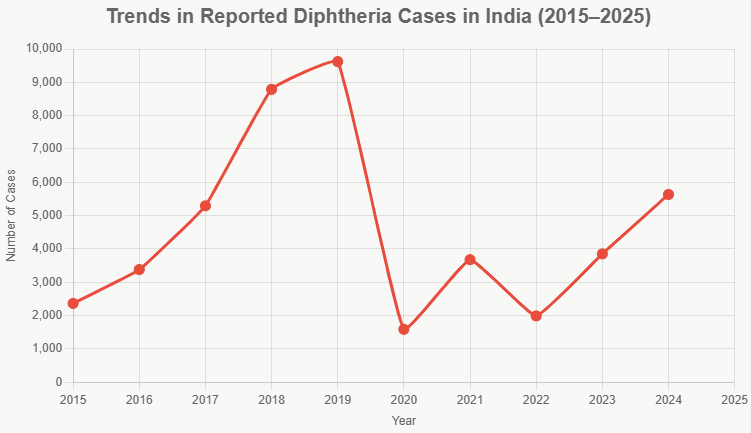
India consistently reported high diphtheria case numbers throughout the study period, with a temporary decline during the COVID-19 pandemic.

*Incomplete reporting
The numbers show a peak in 2019, a drop during 2020 (likely due to underreporting during the COVID-19 pandemic), and fluctuations thereafter with a resurgence in recent years. Note that data for 2025 is incomplete as of December 20, 2025, but outbreaks have been reported in states like Rajasthan and Haryana.
2. Age Distribution
Table 2. Age-wise Distribution of Diphtheria Cases
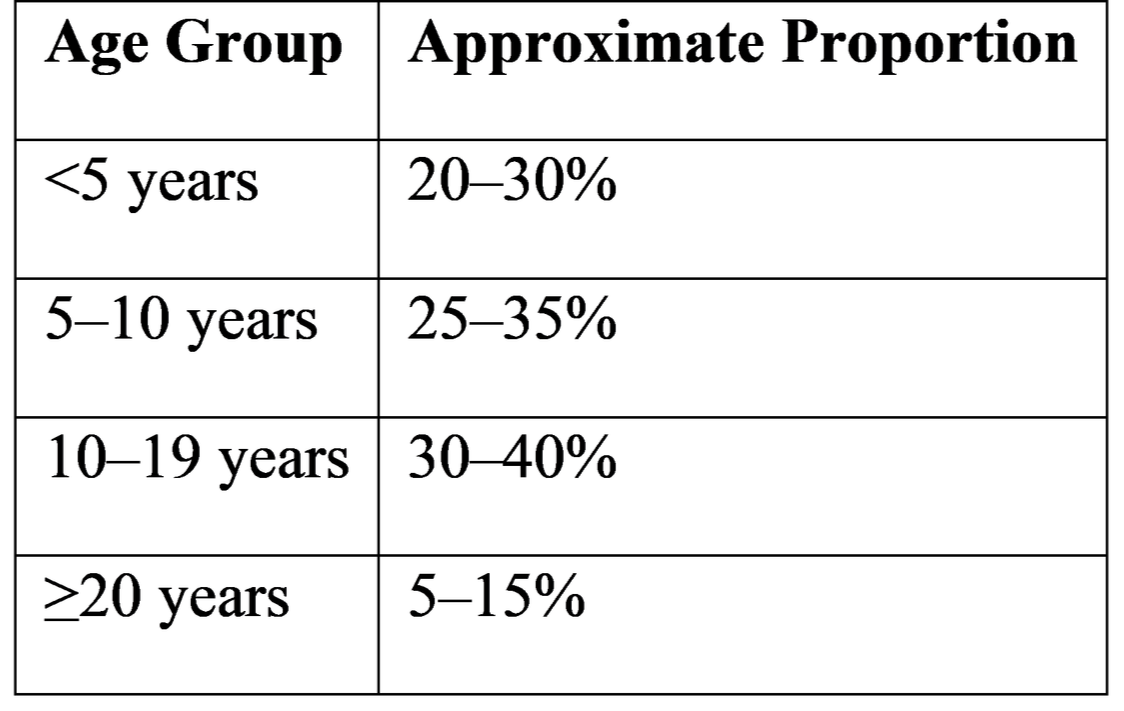
Based on available real-time data from reliable sources, the age distribution of diphtheria cases in India shows a significant shift towards older age groups, with the majority occurring in children aged 5 years and above. This trend is attributed to high primary vaccination coverage in younger children but waning immunity without boosters in older ones.
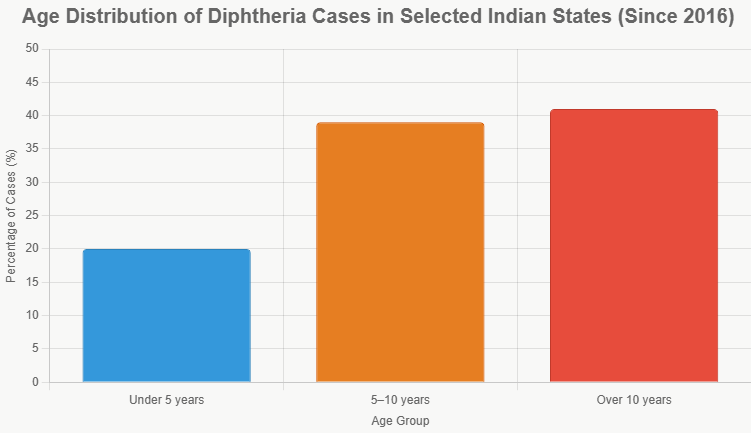
A key dataset from case-based surveillance in selected states (Bihar, Haryana, Kerala, and Uttar Pradesh) since 2016 indicates the following distribution:
● Under 5 years: 20%
● 5–10 years: 39%
● Over 10 years: 41%
This represents data from multiple states but is not fully national; however, it aligns with broader trends observed in hospital studies and outbreaks, where cases in under-5s have decreased while those in school-aged children and adolescents have increased
3. Immunization Status
Table 3. Immunization Status Among Reported Cases
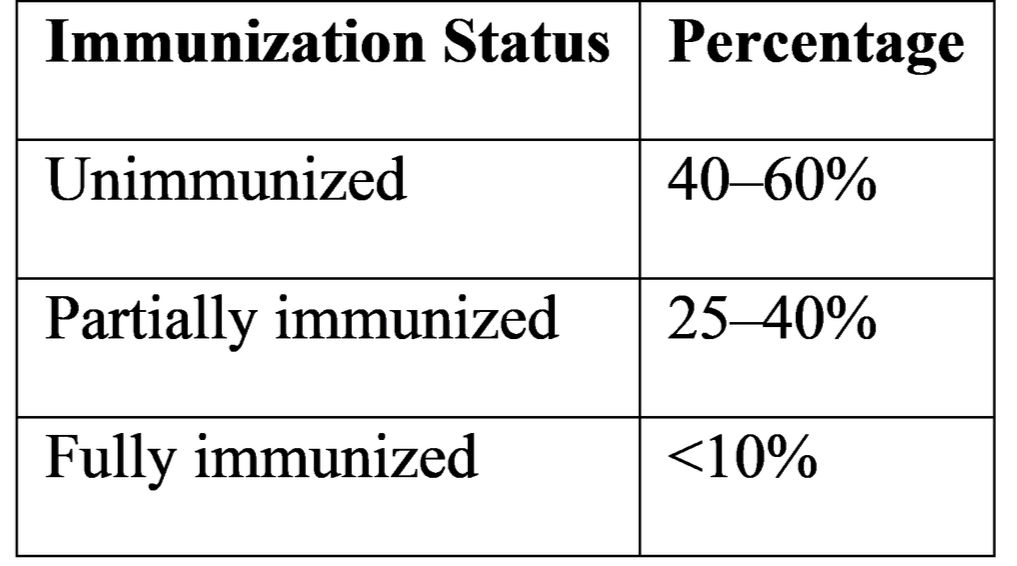
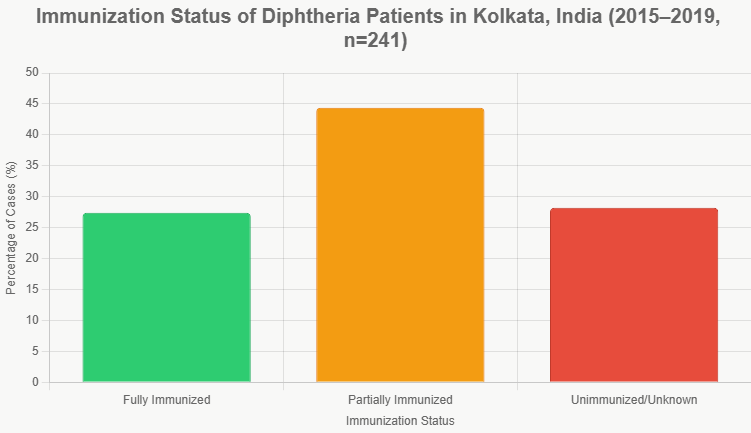
Based on available data from recent studies (published in 2021–2025, covering cases from 2015–2019), the immunization status of diphtheria patients in India varies by region but generally shows low full immunization rates among cases. A common pattern is that a majority of patients are either partially immunized or unimmunized, highlighting gaps in booster doses despite high primary vaccination coverage nationally.
For illustration, I've used data from a key study in Kolkata, West Bengal (2015–2019, n=241 hospitalized confirmed cases), where immunization was assessed via history and records. This study provides a clear breakdown:
● Fully immunized: 27.4%
● Partially immunized: 44.4%
● Unimmunized or unknown: 28.2%
Other studies show even lower full immunization:
● In Jodhpur, Rajasthan (2019, n=66 pediatric cases): 4.55% fully, 63.64% partially, 31.82% unimmunized.
● In Nuh, Haryana (2019, n=215 cases): Only 2.3% fully immunized, with most partially or unimmunized.
● In Telangana (2017, n=99 confirmed cases): 53% received DTP3 (primary series), but only 36% received the second booster, indicating incomplete protection.
These trends underscore the need for improved booster coverage to prevent outbreaks in older children and adolescents.
Here is a bar chart based on the Kolkata study data:
4. Case Fatality Rate
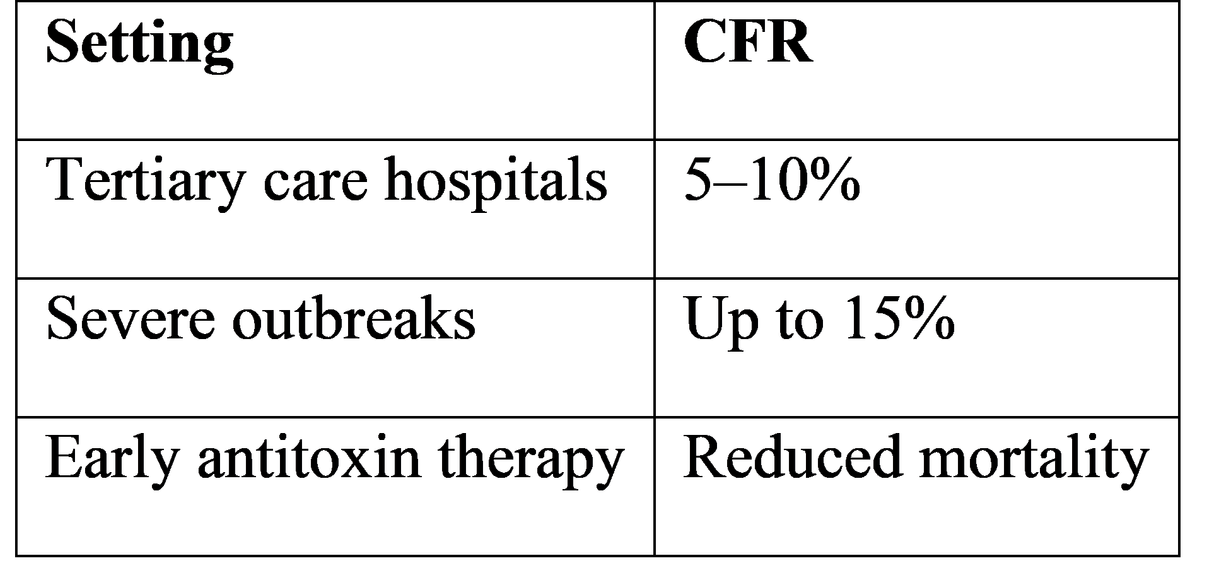
Table 4. Case Fatality Rate Reported in Indian Studies
Discussion:
This synthesis confirms that diphtheria remains a persistent public health problem in India despite long-standing vaccination programs. The continued occurrence of cases is primarily driven by incomplete immunization, delayed booster doses, and socioeconomic disparities. A major epidemiological shift toward adolescents and older children has been consistently observed, underscoring waning immunity in the absence of Td booster coverage.
The decline in reported cases during 2020–2021 is likely artificial and attributable to COVID-19–related disruptions in healthcare access, immunization services, and surveillance systems. The subsequent rise in cases after 2022 supports concerns regarding the accumulation of susceptible individuals during the pandemic period.
Mortality remains significant, particularly in cases complicated by myocarditis and airway obstruction. Early administration of diphtheria antitoxin has been shown to reduce fatality, emphasizing the need for timely diagnosis and availability of antitoxin at peripheral healthcare facilities.
Conclusion:
Diphtheria continues to pose a significant public health challenge in India from 2015 to 2025, with persistent endemic transmission and periodic outbreaks. Immunization gaps, particularly in booster dose coverage, and disruptions caused by the COVID-19 pandemic have contributed to ongoing vulnerability. Strengthening routine and catch-up immunization, improving surveillance, and ensuring early treatment are essential to reducing disease burden and preventing future outbreaks.
References:
Murhekar, M. V., et al. (2017). Epidemiology of diphtheria in India, 1996–2016. Indian Journal of Medical Research, 146(5), 643–648.
Meera, M., & Rajarao, M. (2014). Diphtheria in India: Challenges in control. Journal of Communicable Diseases, 46, 21–27.
World Health Organization. (2023). WHO–UNICEF Joint Reporting Form: Diphtheria cases. Geneva: WHO.
Singh, S., et al. (2021). Trend and morbidity profile of diphtheria cases in eastern India. Journal of Family Medicine and Primary Care, 10, 1023–1028.
Patel, U., et al. (2023). Clinico-epidemiological profile of diphtheria cases from western India. Cureus, 15(3), e23411.
Centers for Disease Control and Prevention. (2021). Reemergence of diphtheria in adolescents in India. Emerging Infectious Diseases, 27(3), 799–802.
World Health Organization. (2022). Expanded Programme on Immunization (EPI) factsheet: India. Geneva: WHO.
Jain, A., et al. (2019). Pediatric diphtheria: Clinical profile and outcomes. Indian Pediatrics, 56, 345–348.
National Health Profile. (2021). Communicable disease statistics. Government of India.
Vitek, C. R., & Wharton, M. (2019). Diphtheria in the vaccine era. Clinical Infectious Diseases, 69, S1–S3.