
The Silent Killer How Long-Term Stress Damages the Body and Mind
1. Tousiful Hoque
(Student, International Medical Faculty, Osh State University, Kyrgyzstan)
Abstract
Chronic stress is increasingly recognised as a major contributor to global morbidity and mortality. While acute stress responses are adaptive and essential for survival, prolonged activation of stress pathways leads to widespread physiological dysregulation. This review synthesises evidence from peer-reviewed, PubMed-indexed literature to examine the effects of long-term stress on the neuroendocrine, cardiovascular, immune, and psychological systems. Particular attention is given to emotional stress arising from romantic relationships, including attachment, rejection, and loss, which uniquely sustain stress responses over extended periods. Findings demonstrate that chronic stress contributes to structural brain changes, immune suppression, metabolic dysfunction, and increased risk of psychiatric disorders. The concept of allostatic load provides a framework for understanding cumulative biological damage. Effective interventions targeting both physiological and emotional regulation are essential to mitigate the long-term consequences of stress.
Introduction
Stress is an inherent component of human life, serving as a critical adaptive mechanism that enables individuals to respond to threats and challenges [1]. The acute stress response, often described as the “fight-or-flight” reaction, involves activation of the sympathetic nervous system and the hypothalamic–pituitary–adrenal (HPA) axis. This results in the release of stress hormones such as cortisol and adrenaline, which enhance alertness, increase energy availability, and prepare the body for immediate action [1, 2].
However, in modern society, stress is rarely acute or short-lived. Instead, individuals are frequently exposed to chronic stressors such as work pressure, financial instability, social expectations, and interpersonal relationships. Unlike physical threats, these stressors are often persistent and psychologically mediated, leading to prolonged activation of stress pathways [2, 3].
Among these, emotional stress related to love and relationships represents a particularly potent and often overlooked factor. Romantic attachment engages deep neurobiological systems involving reward, bonding, and emotional regulation [4, 5]. When relationships become a source of distress—through conflict, insecurity, rejection, or loss—the resulting stress can be both intense and enduring. Unlike external stressors, emotional stress is often internally reinforced through rumination, memory, and anticipation, making it difficult to resolve [6, 7].
Over time, chronic stress transitions from an adaptive response to a pathological condition, contributing to a wide range of diseases. It has been implicated in cardiovascular disorders, metabolic syndrome, depression, anxiety, cognitive decline, and immune dysfunction [8]. This article explores the mechanisms through which long-term stress damages the body and mind, with a special focus on emotional stress arising from love [1, 9].
Methodology
This article is based on a comprehensive narrative review of scientific literature obtained from PubMed and Google Scholar databases. The objective was to identify high-quality, peer-reviewed studies examining the biological and psychological effects of chronic stress.
Search Strategy
Keywords used included:
· Chronic stress
· Cortisol dysregulation
· HPA axis
· Allostatic load
· Emotional stress
· Romantic relationships and stress
· Cognitive decline and stress
Inclusion Criteria
· Original research articles
· Systematic reviews and meta-analyses
· Studies published in peer-reviewed journals
· PubMed-indexed sources
Exclusion Criteria
· Non-peer-reviewed articles
· Opinion-based publications
· Non-scientific sources
A total of 10 key studies were selected based on relevance, methodological quality, and contribution to understanding chronic stress mechanisms.
Results
1. Neuroendocrine Dysregulation and the HPA Axis
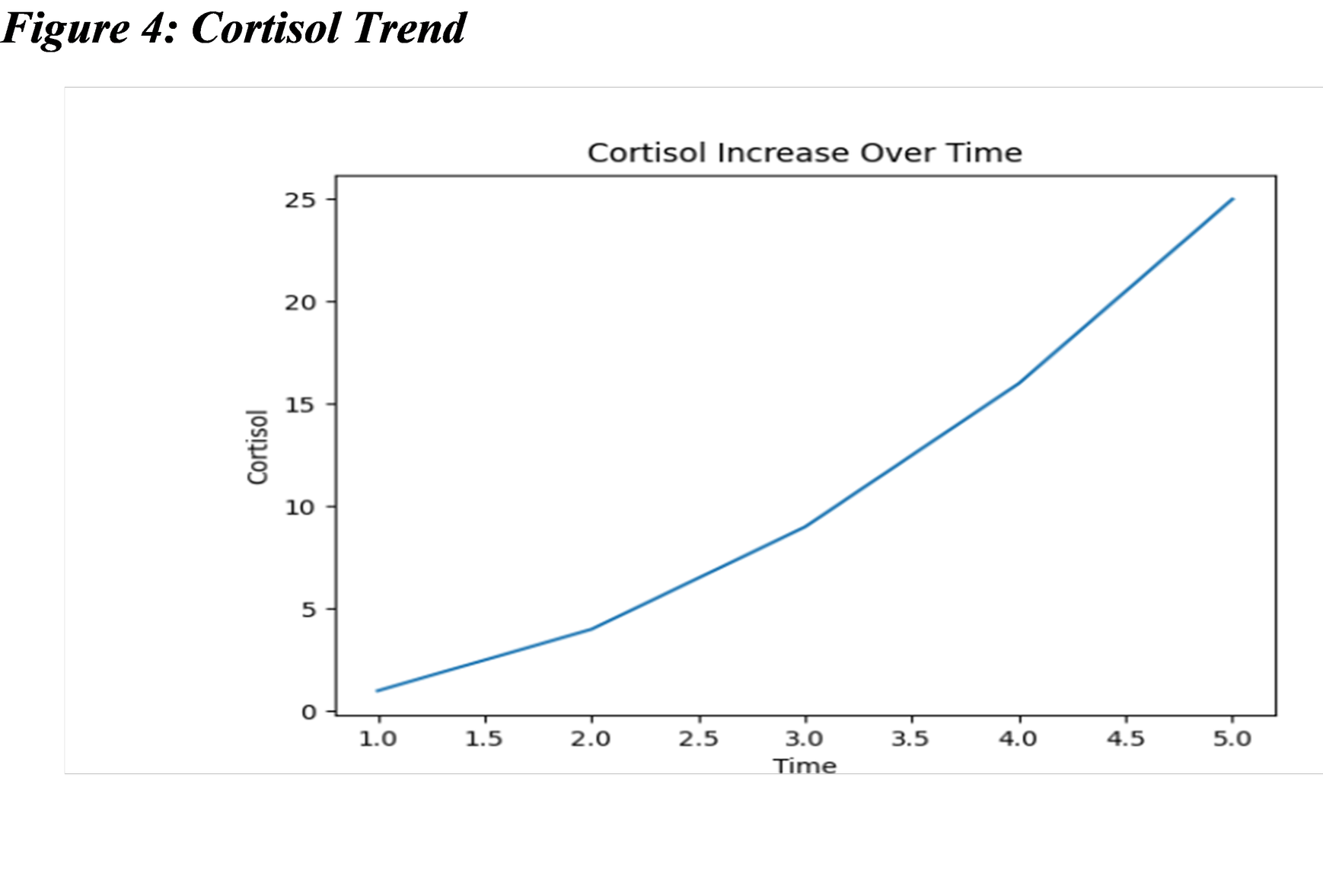
The HPA axis plays a central role in the stress response. Chronic stress leads to dysregulation of this system, resulting in abnormal cortisol secretion patterns. Some individuals exhibit hypercortisolism (elevated cortisol), while others develop hypocortisolism (reduced cortisol), particularly in cases of burnout.
Elevated cortisol levels are associated with:
· Increased abdominal fat accumulation
· Insulin resistance
· Anxiety and mood disorders
Conversely, reduced cortisol levels may lead to:
· Chronic fatigue
· Emotional exhaustion
· Reduced stress tolerance
Hair cortisol analysis has emerged as a reliable biomarker for long-term stress exposure, reflecting cumulative hormonal activity over time.
2. Structural and Functional Brain Changes
Chronic stress has profound effects on brain structure and function. Prolonged exposure to cortisol damages key brain regions:
· Hippocampus: Responsible for memory and learning; shows reduced volume under chronic stress
· Prefrontal cortex: Impaired decision-making and emotional regulation
· Amygdala: Heightened activity leading to increased fear and anxiety
These changes contribute to:
· Memory impairment
· Reduced cognitive flexibility
· Increased risk of neurodegenerative diseases
3. Immune System Suppression
Stress has a bidirectional relationship with the immune system. Chronic stress suppresses immune function through prolonged cortisol exposure, resulting in:
· Reduced lymphocyte production
· Decreased natural killer (NK) cell activity
· Increased susceptibility to infections
Additionally, chronic stress promotes low-grade inflammation, which is linked to conditions such as:
· Atherosclerosis
· Diabetes
· Autoimmune diseases
4. Cardiovascular and Metabolic Effects
Chronic activation of the sympathetic nervous system leads to sustained increases in heart rate and blood pressure. Over time, this contributes to:
· Hypertension
· Coronary artery disease
· Increased risk of myocardial infarction
Stress also affects metabolic processes, leading to:
· Increased appetite (especially for high-calorie foods)
· Weight gain
· Insulin resistance
5. Psychological and Emotional Impact (Love-Related Stress)
Emotional stress from romantic relationships can be particularly damaging due to its persistent and deeply personal nature.
Mechanisms of Emotional Stress in Love
· Attachment systems: Activation of oxytocin and dopamine pathways
· Loss or rejection: Triggers pain centres similar to physical injury
· Rumination: Continuous mental replay of emotional events
Common Outcomes
· Depression
· Anxiety disorders
· Sleep disturbances
· Reduced self-esteem
Heartbreak and emotional trauma can lead to conditions such as adjustment disorder and even stress-induced cardiomyopathy (Takotsubo syndrome).
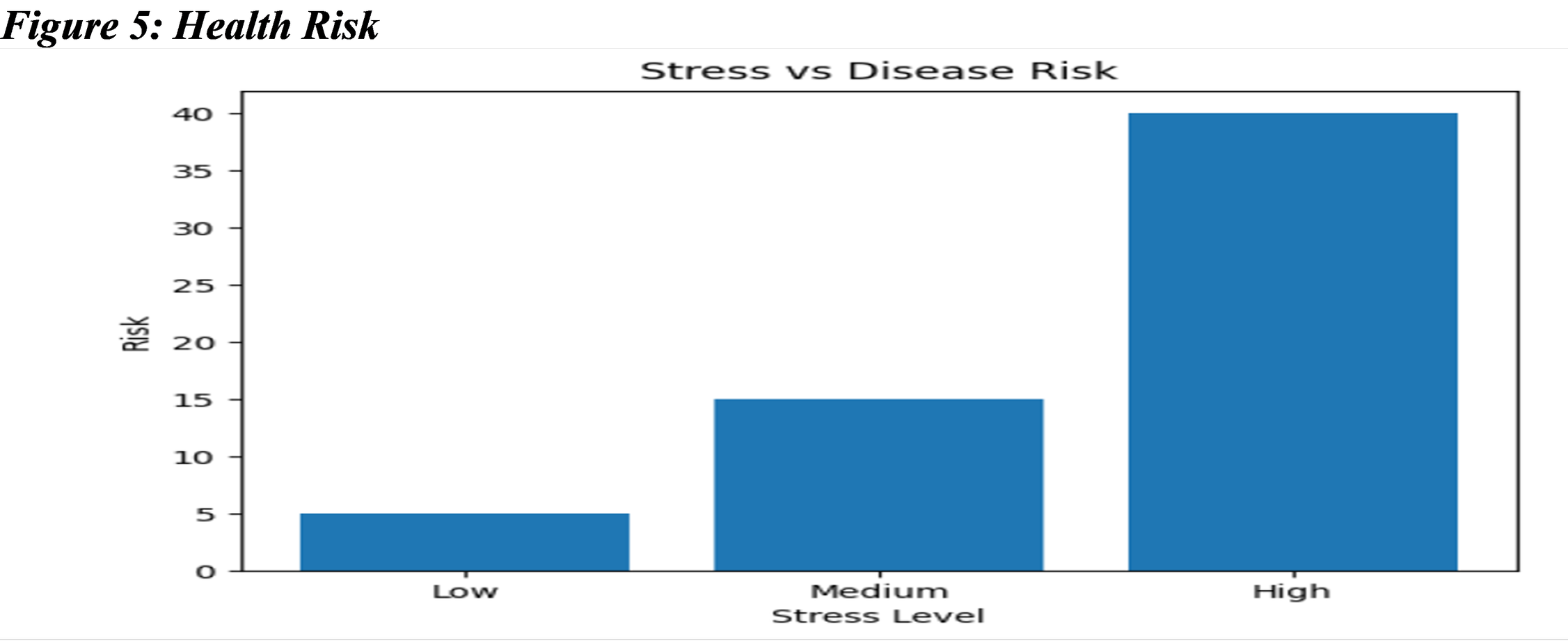
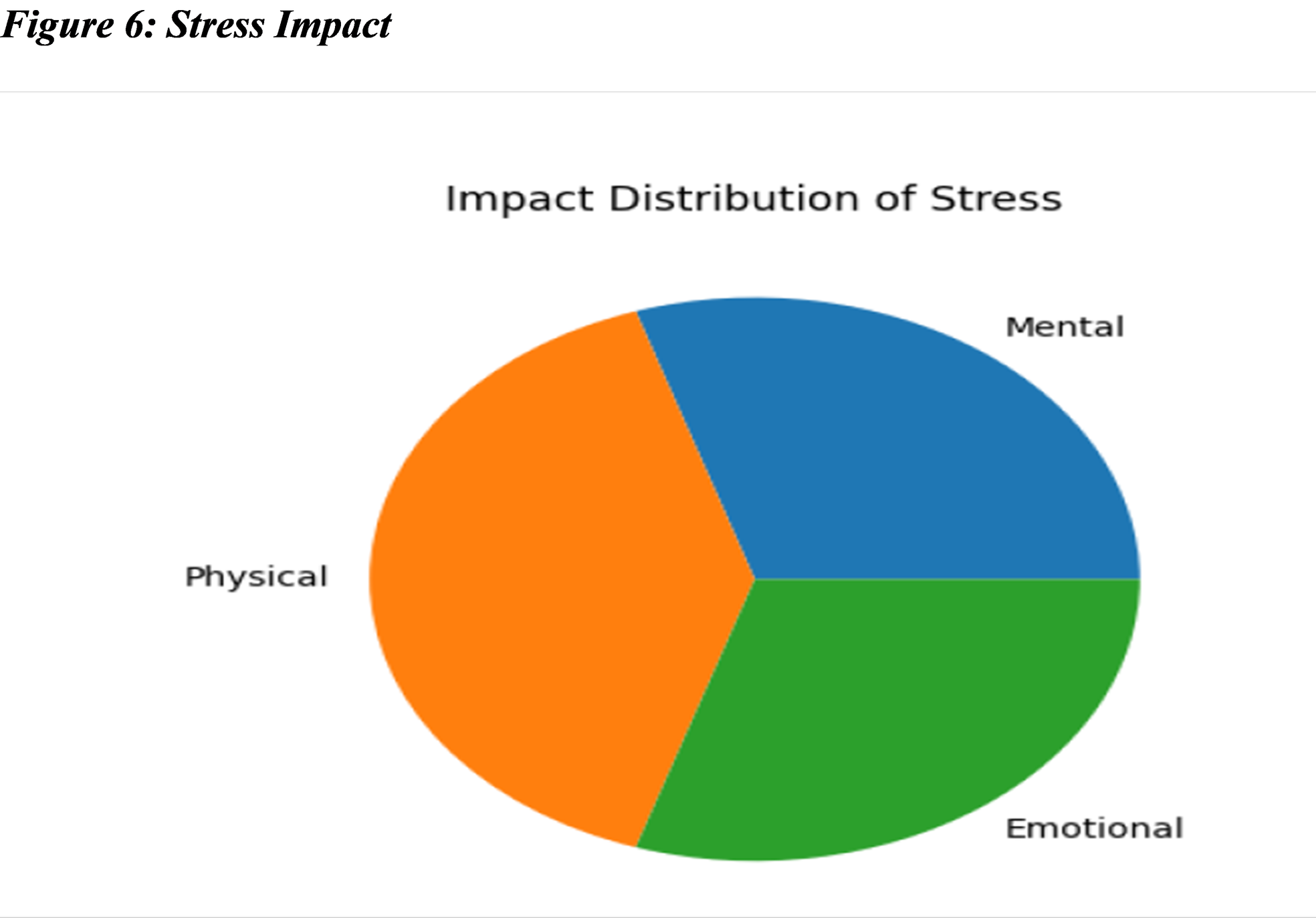
Discussion:
The findings clearly demonstrate that chronic stress is a systemic condition affecting multiple biological systems. The concept of allostatic load provides a useful framework for understanding how repeated stress leads to cumulative physiological damage.
Allostasis refers to the process by which the body maintains stability through change. However, when stress responses are activated too frequently or for prolonged periods, the body experiences “wear and tear,” resulting in allostatic load.
Integration of Systems
· Neuroendocrine dysfunction affects metabolism and mood
· Immune suppression increases disease vulnerability
· Cardiovascular strain leads to long-term organ damage
Unique Role of Emotional Stress
Unlike physical stressors, emotional stress—especially from love—has several unique characteristics:
Persistence: Emotional stress can last for months or years
Internal Reinforcement: Thoughts and memories continuously reactivate stress
Identity Impact: Relationships often shape self-perception
These factors make emotional stress particularly resistant to resolution and more likely to become chronic.
Protective vs Harmful Stress
Not all stress is harmful. Short-term stress can enhance performance and resilience. The key distinction lies in duration and recovery:
Acute stress + recovery → beneficial
Chronic stress + no recovery → harmful
Conclusion
Chronic stress is a silent but powerful contributor to disease, affecting nearly every system in the body. Through sustained activation of hormonal, neurological, and immune pathways, it leads to significant long-term health consequences.
Emotional stress, particularly from love and relationships, adds a complex dimension by prolonging stress responses and intensifying psychological burden. Addressing both physiological and emotional aspects of stress is essential for prevention and treatment.
Key Takeaways
· Chronic stress disrupts the HPA axis and cortisol balance
· It causes structural brain changes and cognitive decline
· It suppresses immune function and promotes inflammation
· Emotional stress from love can intensify and prolong damage
Future Directions
Further research is needed to explore:
Biomarkers for early detection of chronic stress
Targeted therapies for emotional stress
Integration of psychological and physiological interventions
সারসংক্ষেপ :
দীর্ঘস্থায়ী মানসিক চাপ বিশ্বব্যাপী অসুস্থতা ও মৃত্যুর একটি প্রধান কারণ হিসেবে ক্রমবর্ধমানভাবে স্বীকৃত হচ্ছে। যদিও তীব্র মানসিক চাপের প্রতিক্রিয়াগুলো অভিযোজনমূলক এবং বেঁচে থাকার জন্য অপরিহার্য, মানসিক চাপের পথগুলোর দীর্ঘস্থায়ী সক্রিয়তা ব্যাপক শারীরবৃত্তীয় বৈকল্যের দিকে পরিচালিত করে। এই পর্যালোচনাটি নিউরোএন্ডোক্রাইন, কার্ডিওভাসকুলার, ইমিউন এবং মনস্তাত্ত্বিক ব্যবস্থার উপর দীর্ঘমেয়াদী মানসিক চাপের প্রভাব পরীক্ষা করার জন্য পিয়ার-রিভিউড, পাবমেড-ইনডেক্সড সাহিত্য থেকে প্রমাণ সংশ্লেষণ করে। রোমান্টিক সম্পর্ক থেকে উদ্ভূত মানসিক চাপের উপর বিশেষ মনোযোগ দেওয়া হয়েছে, যার মধ্যে রয়েছে আসক্তি, প্রত্যাখ্যান এবং ক্ষতি, যা অনন্যভাবে দীর্ঘ সময় ধরে মানসিক চাপের প্রতিক্রিয়া টিকিয়ে রাখে। গবেষণার ফলাফল দেখায় যে দীর্ঘস্থায়ী মানসিক চাপ মস্তিষ্কের কাঠামোগত পরিবর্তন, রোগ প্রতিরোধ ক্ষমতার হ্রাস, বিপাকীয় বৈকল্য এবং মানসিক রোগের ঝুঁকি বৃদ্ধিতে অবদান রাখে। অ্যালোস্ট্যাটিক লোডের ধারণাটি ক্রমবর্ধমান জৈবিক ক্ষতি বোঝার জন্য একটি কাঠামো প্রদান করে। মানসিক চাপের দীর্ঘমেয়াদী পরিণতি প্রশমিত করার জন্য শারীরবৃত্তীয় এবং মানসিক উভয় নিয়ন্ত্রণকে লক্ষ্য করে কার্যকর হস্তক্ষেপ অপরিহার্য।
ভূমিকা :
চাপ মানব জীবনের একটি সহজাত উপাদান, যা একটি গুরুত্বপূর্ণ অভিযোজন প্রক্রিয়া হিসেবে কাজ করে এবং ব্যক্তিকে হুমকি ও প্রতিকূলতার মোকাবিলা করতে সক্ষম করে [1]। তীব্র চাপের প্রতিক্রিয়া, যাকে প্রায়শই “লড়াই বা পলায়ন” প্রতিক্রিয়া বলা হয়, তাতে সিমপ্যাথেটিক স্নায়ুতন্ত্র এবং হাইপোথ্যালামিক-পিটুইটারি-অ্যাড্রেনাল (HPA) অক্ষ সক্রিয় হয়। এর ফলে কর্টিসল এবং অ্যাড্রেনালিনের মতো স্ট্রেস হরমোন নিঃসৃত হয়, যা সতর্কতা বাড়ায়, শক্তির জোগান বৃদ্ধি করে এবং শরীরকে তাৎক্ষণিক পদক্ষেপের জন্য প্রস্তুত করে [1, 2]।
তবে, আধুনিক সমাজে মানসিক চাপ খুব কমই তীব্র বা স্বল্পস্থায়ী হয়। বরং, ব্যক্তিরা প্রায়শই কাজের চাপ, আর্থিক অস্থিতিশীলতা, সামাজিক প্রত্যাশা এবং আন্তঃব্যক্তিক সম্পর্কের মতো দীর্ঘস্থায়ী চাপ সৃষ্টিকারী বিষয়গুলোর সম্মুখীন হন। শারীরিক হুমকির বিপরীতে, এই চাপ সৃষ্টিকারী বিষয়গুলো প্রায়শই দীর্ঘস্থায়ী এবং মনস্তাত্ত্বিকভাবে প্রভাবিত হয়, যা মানসিক চাপের পথগুলোকে দীর্ঘ সময় ধরে সক্রিয় রাখে [2, 3]।
এগুলোর মধ্যে, প্রেম ও সম্পর্ক-সম্পর্কিত মানসিক চাপ একটি বিশেষভাবে শক্তিশালী এবং প্রায়শই উপেক্ষিত বিষয়। রোমান্টিক আকর্ষণ পুরস্কার, বন্ধন এবং আবেগ নিয়ন্ত্রণের মতো গভীর স্নায়ু-জৈবিক ব্যবস্থাগুলোকে সক্রিয় করে [4, 5]। যখন সংঘাত, নিরাপত্তাহীনতা, প্রত্যাখ্যান বা ক্ষতির মাধ্যমে সম্পর্কগুলো কষ্টের কারণ হয়ে দাঁড়ায়, তখন এর ফলে সৃষ্ট মানসিক চাপ তীব্র এবং দীর্ঘস্থায়ী হতে পারে। বাহ্যিক চাপের কারণগুলোর থেকে ভিন্ন, মানসিক চাপ প্রায়শই বারবার একই বিষয় নিয়ে চিন্তা, স্মৃতি এবং প্রত্যাশার মাধ্যমে অভ্যন্তরীণভাবে আরও শক্তিশালী হয়, যা এর সমাধানকে কঠিন করে তোলে [6, 7]।
সময়ের সাথে সাথে, দীর্ঘস্থায়ী মানসিক চাপ একটি অভিযোজনমূলক প্রতিক্রিয়া থেকে একটি রোগগত অবস্থায় রূপান্তরিত হয়, যা বিভিন্ন ধরনের রোগের কারণ হয়ে দাঁড়ায়। হৃদরোগ, মেটাবলিক সিনড্রোম, বিষণ্ণতা, উদ্বেগ, স্মৃতিশক্তির অবক্ষয় এবং রোগ প্রতিরোধ ব্যবস্থার দুর্বলতার জন্য এটিকে দায়ী করা হয় [8]। এই প্রবন্ধে দীর্ঘমেয়াদী মানসিক চাপ কীভাবে শরীর ও মনের ক্ষতি করে, তার কার্যপ্রণালী অন্বেষণ করা হয়েছে, যেখানে ভালোবাসা থেকে সৃষ্ট আবেগজনিত চাপের উপর বিশেষ আলোকপাত করা হয়েছে [1, 9]।
পদ্ধতি:
এই নিবন্ধটি পাবমেড এবং গুগল স্কলার ডেটাবেস থেকে প্রাপ্ত বৈজ্ঞানিক সাহিত্যের একটি বিস্তৃত বর্ণনামূলক পর্যালোচনার উপর ভিত্তি করে রচিত। এর উদ্দেশ্য ছিল দীর্ঘস্থায়ী চাপের জৈবিক ও মনস্তাত্ত্বিক প্রভাব পরীক্ষা করে এমন উচ্চ-মানের, পিয়ার-রিভিউড গবেষণাগুলি চিহ্নিত করা
অনুসন্ধান কৌশল
ব্যবহৃত মূলশব্দগুলো হলো:
• দীর্ঘস্থায়ী মানসিক চাপ
• কর্টিসলের ভারসাম্যহীনতা
• এইচপিএ অক্ষ
• অ্যালোস্ট্যাটিক লোড
• আবেগজনিত চাপ
• প্রেমঘটিত সম্পর্ক ও মানসিক চাপ
• জ্ঞানীয় অবক্ষয় ও মানসিক চাপ
অন্তর্ভুক্তির মানদণ্ড
• মৌলিক গবেষণা প্রবন্ধ
• পদ্ধতিগত পর্যালোচনা এবং মেটা-বিশ্লেষণ
• পিয়ার-রিভিউড জার্নালে প্রকাশিত গবেষণা
• পাবমেড-সূচীবদ্ধ উৎস
বর্জনের মানদণ্ড
• পিয়ার-রিভিউড নয় এমন প্রবন্ধ
• মতামত-ভিত্তিক প্রকাশনা
• অবৈজ্ঞানিক উৎস
প্রাসঙ্গিকতা, পদ্ধতিগত গুণমান এবং দীর্ঘস্থায়ী চাপের কার্যপ্রণালী উপলব্ধিতে অবদানের ভিত্তিতে মোট ১০টি মূল গবেষণা নির্বাচন করা হয়েছে।
ফলাফল :
১. নিউরোএন্ডোক্রাইন ডিসরেগুলেশন এবং এইচপিএ অ্যাক্সিস
চাপের প্রতিক্রিয়ায় এইচপিএ অ্যাক্সিস একটি কেন্দ্রীয় ভূমিকা পালন করে। দীর্ঘস্থায়ী চাপ এই সিস্টেমের ডিসরেগুলেশন ঘটায়, যার ফলে কর্টিসল নিঃসরণের ধরণে অস্বাভাবিকতা দেখা দেয়। কিছু ব্যক্তির মধ্যে হাইপারকর্টিসোলিজম (কর্টিসলের মাত্রা বৃদ্ধি) দেখা যায়, আবার অন্যদের মধ্যে হাইপোকর্টিসোলিজম (কর্টিসলের মাত্রা হ্রাস) দেখা দেয়, বিশেষ করে বার্নআউটের ক্ষেত্রে।
কর্টিসলের মাত্রা বৃদ্ধি নিম্নলিখিত বিষয়গুলির সাথে সম্পর্কিত:
• পেটে অতিরিক্ত চর্বি জমা
• ইনসুলিন রেজিস্ট্যান্স
• উদ্বেগ এবং মেজাজের ব্যাধি
বিপরীতভাবে, কর্টিসলের মাত্রা হ্রাস নিম্নলিখিত বিষয়গুলির কারণ হতে পারে:
• দীর্ঘস্থায়ী ক্লান্তি
• মানসিক অবসাদ
• চাপ সহ্য করার ক্ষমতা হ্রাস
চুলের কর্টিসল বিশ্লেষণ দীর্ঘমেয়াদী চাপের একটি নির্ভরযোগ্য বায়োমার্কার হিসাবে আবির্ভূত হয়েছে, যা সময়ের সাথে সাথে সঞ্চিত হরমোনীয় কার্যকলাপকে প্রতিফলিত করে।
২. মস্তিষ্কের গঠনগত ও কার্যগত পরিবর্তন
দীর্ঘস্থায়ী মানসিক চাপ মস্তিষ্কের গঠন ও কার্যকারিতার উপর গভীর প্রভাব ফেলে। দীর্ঘ সময় ধরে কর্টিসলের সংস্পর্শে থাকলে মস্তিষ্কের গুরুত্বপূর্ণ অঞ্চলগুলো ক্ষতিগ্রস্ত হয়:
• হিপোক্যাম্পাস: স্মৃতি ও শেখার জন্য দায়ী; দীর্ঘস্থায়ী মানসিক চাপের কারণে এর আয়তন কমে যায়
• প্রিফ্রন্টাল কর্টেক্স: সিদ্ধান্ত গ্রহণ এবং আবেগ নিয়ন্ত্রণ ব্যাহত হয়
• অ্যামিগডালা: এর কার্যকলাপ বেড়ে যায়, যা ভয় ও উদ্বেগ বৃদ্ধি করে
এই পরিবর্তনগুলো নিম্নলিখিত ক্ষেত্রে অবদান রাখে:
• স্মৃতিশক্তির দুর্বলতা
• জ্ঞানীয় নমনীয়তা হ্রাস
• স্নায়ুক্ষয়ী রোগের ঝুঁকি বৃদ্ধি
৩. রোগ প্রতিরোধ ব্যবস্থার দমন
মানসিক চাপের সাথে রোগ প্রতিরোধ ব্যবস্থার একটি দ্বিমুখী সম্পর্ক রয়েছে। দীর্ঘস্থায়ী মানসিক চাপ দীর্ঘক্ষণ কর্টিসলের সংস্পর্শে থাকার মাধ্যমে রোগ প্রতিরোধ ক্ষমতাকে দমন করে, যার ফলে:
• লিম্ফোসাইট উৎপাদন কমে যায়
• ন্যাচারাল কিলার (NK) কোষের কার্যকারিতা হ্রাস পায়
• সংক্রমণের ঝুঁকি বৃদ্ধি পায়
এছাড়াও, দীর্ঘস্থায়ী মানসিক চাপ মৃদু প্রদাহকে উৎসাহিত করে, যা নিম্নলিখিত অবস্থার সাথে সম্পর্কিত:
• অ্যাথেরোস্ক্লেরোসিস
• ডায়াবেটিস
• অটোইমিউন রোগ
৪. কার্ডিওভাসকুলার এবং বিপাকীয় প্রভাব
সিমপ্যাথেটিক স্নায়ুতন্ত্রের দীর্ঘস্থায়ী সক্রিয়তা হৃদস্পন্দন এবং রক্তচাপের ক্রমাগত বৃদ্ধি ঘটায়। সময়ের সাথে সাথে, এটি নিম্নলিখিত বিষয়গুলিতে অবদান রাখে:
• উচ্চ রক্তচাপ
• করোনারি ধমনীর রোগ
• মায়োকার্ডিয়াল ইনফার্কশনের ঝুঁকি বৃদ্ধি
মানসিক চাপ বিপাকীয় প্রক্রিয়াকেও প্রভাবিত করে, যার ফলে:
• ক্ষুধা বৃদ্ধি (বিশেষ করে উচ্চ-ক্যালোরিযুক্ত খাবারের প্রতি)
• ওজন বৃদ্ধি
• ইনসুলিন প্রতিরোধ
৫. মনস্তাত্ত্বিক এবং আবেগগত প্রভাব (প্রেম-সম্পর্কিত মানসিক চাপ)
প্রেমের সম্পর্ক থেকে সৃষ্ট আবেগগত চাপ এর দীর্ঘস্থায়ী এবং অত্যন্ত ব্যক্তিগত প্রকৃতির কারণে বিশেষভাবে ক্ষতিকর হতে পারে।
ভালোবাসায় মানসিক চাপের প্রক্রিয়া
• আসক্তি ব্যবস্থা: অক্সিটোসিন এবং ডোপামিন পথের সক্রিয়করণ
• বিচ্ছেদ বা প্রত্যাখ্যান: শারীরিক আঘাতের মতো ব্যথা কেন্দ্রগুলিকে সক্রিয় করে
• পুনরাবৃত্তি: আবেগপূর্ণ ঘটনাগুলির ক্রমাগত মানসিক পুনরাবৃত্তি
সাধারণ পরিণতি
• বিষণ্ণতা
• উদ্বেগজনিত ব্যাধি
• ঘুমের ব্যাঘাত
• আত্মসম্মান হ্রাস
হৃদয়ভঙ্গ এবং মানসিক আঘাত অ্যাডজাস্টমেন্ট ডিসঅর্ডার এবং এমনকি স্ট্রেস-ইনডিউসড কার্ডিওমায়োপ্যাথি (টাকোৎসুবা সিন্ড্রোম)-এর মতো অবস্থার দিকে নিয়ে যেতে পারে।
আলোচনা :
গবেষণার ফলাফল স্পষ্টভাবে প্রমাণ করে যে দীর্ঘস্থায়ী মানসিক চাপ একটি সিস্টেমিক অবস্থা যা একাধিক জৈবিক তন্ত্রকে প্রভাবিত করে। বারবার মানসিক চাপ কীভাবে ক্রমবর্ধমান শারীরবৃত্তীয় ক্ষতির কারণ হয়, তা বোঝার জন্য অ্যালোস্ট্যাটিক লোডের ধারণাটি একটি কার্যকর কাঠামো প্রদান করে। অ্যালোস্ট্যাসিস বলতে সেই প্রক্রিয়াকে বোঝায় যার মাধ্যমে শরীর পরিবর্তনের মধ্য দিয়ে স্থিতিশীলতা বজায় রাখে। তবে, যখন মানসিক চাপের প্রতিক্রিয়াগুলো খুব ঘন ঘন বা দীর্ঘ সময়ের জন্য সক্রিয় হয়, তখন শরীরে "ক্ষয়ক্ষতি" ঘটে, যার ফলে অ্যালোস্ট্যাটিক লোড তৈরি হয়।
তন্ত্রের সমন্বয়
• নিউরোএন্ডোক্রাইন কর্মহীনতা বিপাক এবং মেজাজকে প্রভাবিত করে
• রোগ প্রতিরোধ ক্ষমতা কমে গেলে রোগের ঝুঁকি বাড়ে
• হৃদযন্ত্রের উপর চাপ দীর্ঘমেয়াদী অঙ্গ ক্ষতির কারণ হয়
মানসিক চাপের অনন্য ভূমিকা
শারীরিক চাপের মতো নয়, মানসিক চাপ—বিশেষ করে ভালোবাসা থেকে সৃষ্ট—এর কয়েকটি অনন্য বৈশিষ্ট্য রয়েছে:
স্থায়িত্ব: মানসিক চাপ মাস বা বছর ধরে চলতে পারে
অভ্যন্তরীণ শক্তিবৃদ্ধি: চিন্তা এবং স্মৃতি ক্রমাগত চাপকে পুনরায় সক্রিয় করে
পরিচয়ের উপর প্রভাব: সম্পর্ক প্রায়শই আত্ম-উপলব্ধিকে আকার দেয়
এই কারণগুলো মানসিক চাপকে সমাধানে বিশেষভাবে প্রতিরোধী করে তোলে এবং এটিকে দীর্ঘস্থায়ী হওয়ার সম্ভাবনা বাড়িয়ে দেয়।
সুরক্ষামূলক বনাম ক্ষতিকর চাপ
সব চাপ ক্ষতিকর নয়। স্বল্পমেয়াদী চাপ কর্মক্ষমতা এবং সহনশীলতা বাড়াতে পারে। মূল পার্থক্যটি এর সময়কাল এবং পুনরুদ্ধারের উপর নির্ভর করে:
তীব্র চাপ + পুনরুদ্ধার → উপকারী
দীর্ঘস্থায়ী চাপ + পুনরুদ্ধার নেই → ক্ষতিকর
সিদ্ধান্ত :
দীর্ঘস্থায়ী মানসিক চাপ রোগের একটি নীরব কিন্তু শক্তিশালী কারণ, যা শরীরের প্রায় প্রতিটি তন্ত্রকে প্রভাবিত করে। হরমোন, স্নায়বিক এবং রোগ প্রতিরোধ ব্যবস্থার ক্রমাগত সক্রিয়তার মাধ্যমে এটি গুরুতর দীর্ঘমেয়াদী স্বাস্থ্যগত পরিণতির দিকে নিয়ে যায়। আবেগজনিত চাপ, বিশেষ করে প্রেম ও সম্পর্ক থেকে সৃষ্ট চাপ, মানসিক চাপের প্রতিক্রিয়াকে দীর্ঘায়িত করে এবং মনস্তাত্ত্বিক বোঝা বাড়িয়ে দিয়ে বিষয়টিকে একটি জটিল মাত্রা দেয়। এর প্রতিরোধ ও চিকিৎসার জন্য মানসিক চাপের শারীরিক এবং আবেগিক উভয় দিকেরই সমাধান করা অপরিহার্য।
মূল বিষয়সমূহ
• দীর্ঘস্থায়ী মানসিক চাপ এইচপিএ অক্ষ এবং কর্টিসলের ভারসাম্যকে ব্যাহত করে
• এটি মস্তিষ্কের গঠনগত পরিবর্তন এবং জ্ঞানীয় অবক্ষয় ঘটায়
• এটি রোগ প্রতিরোধ ক্ষমতাকে দমন করে এবং প্রদাহকে উৎসাহিত করে
• ভালোবাসাজনিত মানসিক চাপ এই ক্ষতিকে আরও তীব্র ও দীর্ঘায়িত করতে পারে
ভবিষ্যৎ পরিকল্পনা
নিম্নলিখিত বিষয়গুলো অন্বেষণের জন্য আরও গবেষণা প্রয়োজন:
দীর্ঘস্থায়ী মানসিক চাপের প্রাথমিক সনাক্তকরণের জন্য বায়োমার্কার
মানসিক চাপের জন্য নির্দিষ্ট চিকিৎসা পদ্ধতি
মনস্তাত্ত্বিক এবং শারীরবৃত্তীয় হস্তক্ষেপের সমন্বয়
References
1. van Eck M, Berkhof H, Nicolson N, Sulon J. The effects of perceived stress, traits, mood states, and stressful daily events on salivary cortisol. Psychosom Med. 1996 Sep-Oct;58(5):447-58. doi: 10.1097/00006842-199609000-00007. PMID: 8902896.
2. Lennartsson A-K, Sjörs A, Währborg P, Ljung T and Jonsdottir IH (2015) Burnout and Hypocortisolism – A Matter of Severity? A Study on ACTH and Cortisol Responses to Acute Psychosocial Stress. Front. Psychiatry 6:8. doi: 10.3389/fpsyt.2015.00008
3. Khoury JE, Bosquet Enlow M, Plamondon A, Lyons-Ruth K. The association between adversity and hair cortisol levels in humans: A meta-analysis. Psychoneuroendocrinology. 2019 May;103:104-117. doi: 10.1016/j.psyneuen.2019.01.009. Epub 2019 Jan 11. PMID: 30682626; PMCID: PMC6450779.
4. Christensen NJ, Jensen EW. Sympathoadrenal activity and psychosocial stress. Ann N Y Acad Sci. 1995;771:640–7.
5. McEwen BS. Protective and damaging effects of stress mediators: central role of the brain. Dialogues Clin Neurosci. 2006;8(4):367-81. doi: 10.31887/DCNS.2006.8.4/bmcewen. PMID: 17290796; PMCID: PMC3181832.