
Diabetes Mellitus in Children: Epidemiology, Pathophysiology, Technological Advances, and Evidence-Based Management
1. Mir Zahid Iqbal
2. Numaan Mushtaq
3. Inam ul Haq
4. Marib Imtiyaz
5. Muktarali kyzy Begimai
(1. Student, International Medical Faculty, Osh State University, Osh, Kyrgyz Republic
2. Student, International Medical Faculty, Osh State University, Osh, Kyrgyz Republic
3. Student, International Medical Faculty, Osh State University, Osh, Kyrgyz Republic
4. Student, International Medical Faculty, Osh State University, Osh, Kyrgyz Republic
5. Teacher, International Medical Faculty, Osh State University, Osh, Kyrgyz Republic.)
Abstract
Diabetes mellitus in children encompasses a spectrum of metabolic disorders characterized by chronic hyperglycemia arising from absolute or relative insulin deficiency, with type 1 diabetes representing the predominant form in pediatric populations worldwide. This review examines the contemporary understanding of diabetes mellitus in children, integrating recent advances in epidemiological surveillance, pathophysiological mechanisms, diagnostic methodologies, and therapeutic interventions. A comprehensive literature search was conducted focusing on publications from 2017 to 2025, with particular emphasis on the 2024 International Society for Pediatric and Adolescent Diabetes Clinical Practice Consensus Guidelines and emerging technologies in diabetes management. The analysis reveals that the global incidence of type 1 diabetes in children continues to rise at approximately 3-5% annually, with significant geographic variation and increasing prevalence in low- and middle-income countries. The 2024 ISPAD guidelines emphasize the pivotal role of continuous glucose monitoring from diagnosis, with strong recommendations for its use in all children and adolescents with type 1 diabetes, alongside automated insulin delivery systems that have demonstrated remarkable improvements in glycemic control and quality of life. The staging of type 1 diabetes into three distinct phases—autoantibody positivity with normoglycemia, autoantibody positivity with dysglycemia, and symptomatic clinical disease—has enabled earlier recognition and intervention, with teplizumab now available to delay progression in high-risk individuals. Despite remarkable technological advances, significant disparities persist in access to diabetes technology and specialized care, particularly in resource-limited settings. The integration of continuous glucose monitoring, automated insulin delivery, telemedicine, and psychosocial support represents the contemporary standard of care, while ongoing research into beta-cell preservation, immunomodulation, and closed-loop systems promises to further transform the landscape of pediatric diabetes management.
Introduction
The diagnosis of diabetes in a child represents a seismic shift in the life of a family, transforming the ordinary rhythms of childhood—meals, play, sleep, and celebration—into a landscape of calculations, measurements, and vigilance. For the parents who receive this diagnosis, whether for a toddler who has begun to drink and urinate excessively or for an adolescent whose weight has inexplicably fallen despite ravenous hunger, the words "your child has diabetes" carry the weight of a lifetime of altered expectations. Yet within this profound disruption lies a story of remarkable medical progress, as the management of pediatric diabetes has evolved from a sentence of near-certain death in the pre-insulin era to a condition compatible with a full and productive life, albeit one demanding constant attention and adaptation.
Diabetes mellitus in children encompasses several distinct entities unified by the common thread of chronic hyperglycemia resulting from absolute or relative insulin deficiency. Type 1 diabetes, caused by autoimmune destruction of pancreatic beta cells, represents the predominant form in pediatric populations, accounting for approximately 90% of cases in children and adolescents in most regions. Type 2 diabetes, once considered a disease of adulthood, has emerged as a significant and growing concern in pediatric populations, particularly among adolescents with obesity and from certain ethnic backgrounds. Monogenic forms of diabetes, including maturity-onset diabetes of the young and neonatal diabetes, represent important though less common entities that require specific diagnostic approaches and targeted therapies. Cystic fibrosis-related diabetes and other secondary forms complete the spectrum of pediatric diabetes.
The global epidemiology of childhood diabetes presents a paradox of progress and persistent challenge. The incidence of type 1 diabetes has been rising steadily at approximately 3-5% annually across most regions, with the steepest increases observed in low- and middle-income countries where healthcare infrastructure may be least prepared to manage the condition. The International Diabetes Federation estimates that over 1.2 million children and adolescents under 20 years live with type 1 diabetes worldwide, with approximately 184,000 new cases diagnosed annually. The prevalence of type 2 diabetes in youth, while lower in absolute numbers, is increasing at an alarming rate in parallel with the global childhood obesity epidemic, with certain populations including Native American, Hispanic, African American, and Pacific Islander youth experiencing disproportionate burdens.
The pathophysiology of type 1 diabetes involves a complex interplay of genetic susceptibility and environmental triggers that initiate and propagate autoimmune destruction of insulin-producing beta cells. The disease process begins long before clinical symptoms appear, with the presence of circulating islet autoantibodies marking the presymptomatic phase that can last months to years. The 2024 ISPAD guidelines formalize the staging of type 1 diabetes, recognizing stage 1 as the presence of two or more islet autoantibodies with normal glycemia, stage 2 as autoantibody positivity with dysglycemia, and stage 3 as symptomatic clinical disease requiring insulin therapy. This staging framework has enabled the development of screening programs for at-risk individuals and, for the first time, disease-modifying therapy with teplizumab to delay progression from stage 2 to stage 3.
The therapeutic landscape of pediatric diabetes has been transformed by technological advances that would have seemed like science fiction to the physicians who first administered insulin to a dying child in 1922. Continuous glucose monitoring systems, which measure interstitial glucose concentrations every one to fifteen minutes and transmit data to smartphones and insulin pumps, have become the standard of care in many countries. Automated insulin delivery systems, which algorithmically adjust insulin delivery based on continuous glucose data, have demonstrated remarkable improvements in glycemic control, reduction of hypoglycemic events, and enhancement of quality of life. The 2024 ISPAD guidelines strongly recommend continuous glucose monitoring for all children and adolescents with type 1 diabetes from diagnosis, reflecting the pivotal role of this technology in contemporary management.
Yet these advances remain unevenly distributed, with significant disparities in access to diabetes technology and specialized care persisting both between and within countries. The financial burden of diabetes care, including insulin, monitoring supplies, and technology, remains prohibitive for many families, particularly in low- and middle-income countries where out-of-pocket healthcare costs can consume a substantial proportion of household income. The psychosocial burden of diabetes, affecting children, parents, and siblings, demands attention alongside the medical management, with depression, anxiety, diabetes distress, and eating disorders representing important comorbidities that impact both quality of life and glycemic outcomes.
This review aims to provide a comprehensive examination of diabetes mellitus in children, encompassing the classification and epidemiology of different forms, the pathophysiological mechanisms underlying disease development, contemporary diagnostic approaches including staging and screening, evidence-based management strategies informed by the 2024 ISPAD guidelines, and the psychosocial dimensions of living with diabetes in childhood. Through this synthesis, we seek to illuminate both the remarkable progress achieved and the persistent challenges that demand continued innovation and advocacy for equitable access to care.
Methods
A comprehensive literature search was conducted to identify relevant publications addressing diabetes mellitus in children from clinical, epidemiological, pathophysiological, and technological perspectives. The search encompassed databases including PubMed, MEDLINE, and the Cochrane Library, with primary focus on literature published between January 2017 and October 2025 to ensure inclusion of contemporary guidelines and emerging evidence. Search terms incorporated "type 1 diabetes," "type 2 diabetes," "children," "adolescents," "pediatric diabetes," "continuous glucose monitoring," "automated insulin delivery," "insulin pump," "diabetic ketoacidosis," "ISPAD guidelines," "teplizumab," and "diabetes technology."
Inclusion criteria prioritized original research articles, randomized controlled trials, systematic reviews, clinical practice guidelines, and consensus statements specifically addressing pediatric diabetes populations or containing substantial pediatric subgroups. The methodological framework emphasized evidence-based guidelines including the 2024 International Society for Pediatric and Adolescent Diabetes Clinical Practice Consensus Guidelines, the American Diabetes Association Standards of Care in Diabetes, and the National Institute for Health and Care Excellence guidelines. Particular attention was directed toward studies evaluating diabetes technologies, including continuous glucose monitoring systems, automated insulin delivery, and telemedicine applications, as well as investigations of psychosocial outcomes and health disparities.
The analysis synthesized data from multiple study designs, acknowledging the inherent challenges of pediatric diabetes research including the ethical constraints of randomized trials in children, the difficulty of achieving blinding in technology trials, and the variability in outcome definitions across studies. Where evidence was limited or conflicting, findings were interpreted with appropriate caveats regarding the certainty of conclusions.
Results
Classification and Epidemiology
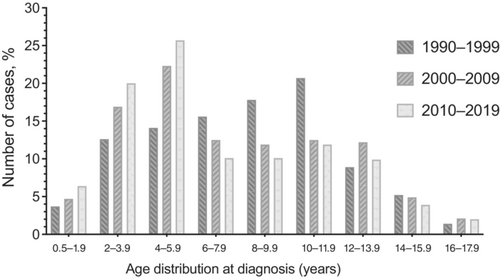
Diabetes mellitus in children encompasses several distinct forms with differing pathophysiology, clinical presentation, and management approaches. Type 1 diabetes, resulting from autoimmune destruction of pancreatic beta cells, represents the predominant form in pediatric populations, accounting for approximately 90% of cases in most regions. The global incidence of type 1 diabetes in children has been rising steadily, with the International Diabetes Federation estimating approximately 184,000 new cases annually in children under 15 years. The incidence varies dramatically by geography, with the highest rates observed in Finland, Sweden, and other Northern European countries, and lower rates in Asian and Latin American populations, though these regions are experiencing the steepest increases in recent years.
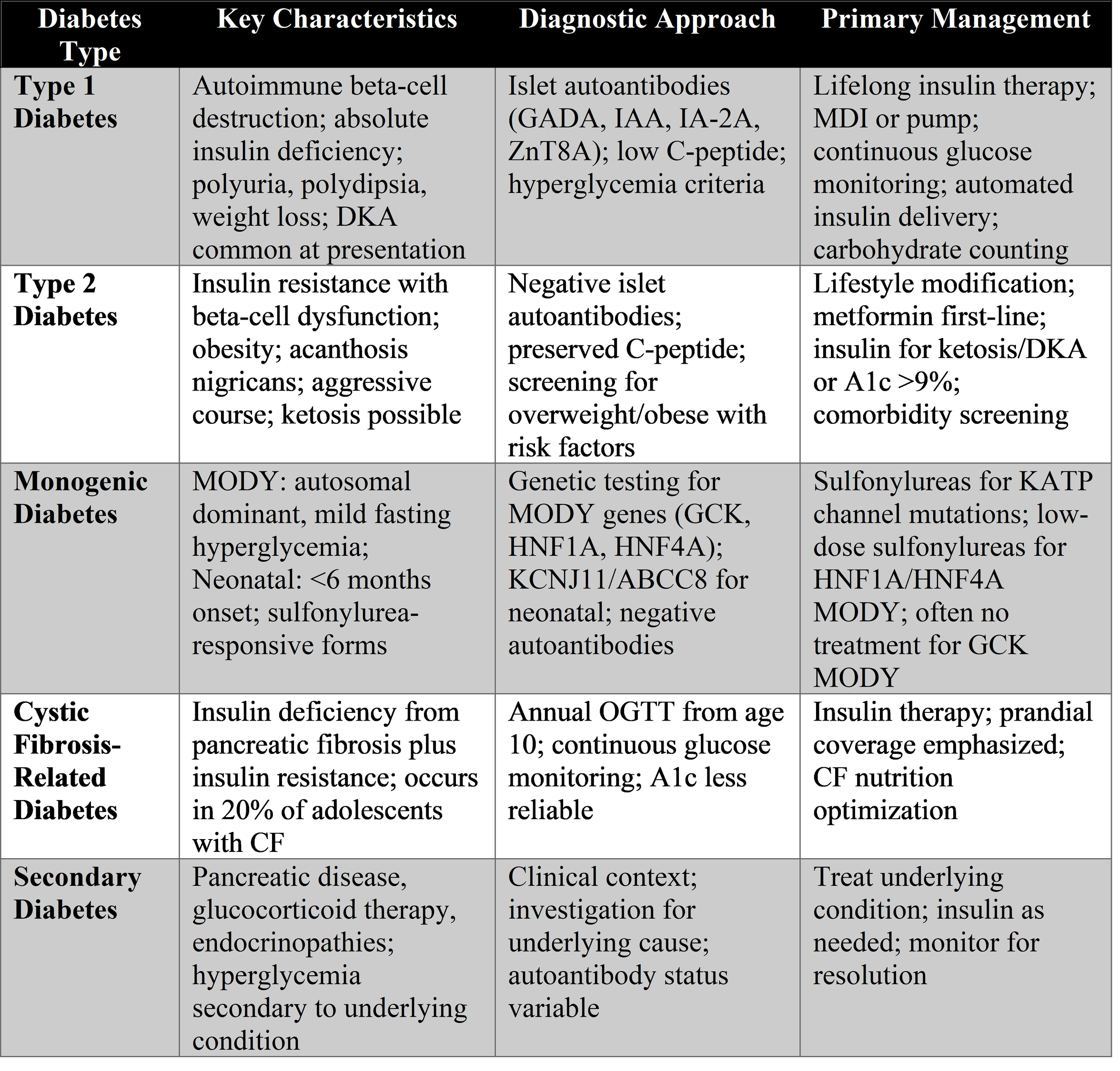
Type 2 diabetes in youth, while historically rare, has emerged as a significant and growing concern, particularly in the context of the global childhood obesity epidemic. The prevalence of type 2 diabetes in children and adolescents varies by population, with the highest rates observed among Native American, Hispanic, African American, and Pacific Islander youth. The clinical presentation of type 2 diabetes in youth often differs from that in adults, with a more aggressive disease course, earlier onset of complications, and greater propensity for diabetic ketoacidosis at diagnosis in certain populations. The distinction between type 1 and type 2 diabetes in youth can be challenging, as features of both conditions may coexist, and the presence of obesity does not exclude autoimmune diabetes.
Monogenic forms of diabetes represent important though less common entities in pediatric practice. Maturity-onset diabetes of the young (MODY) encompasses several subtypes caused by mutations in genes involved in beta-cell function or insulin secretion, with autosomal dominant inheritance patterns and clinical features that may include mild fasting hyperglycemia, absence of islet autoantibodies, and preserved C-peptide production. Neonatal diabetes, defined as diabetes diagnosed within the first six months of life, results from mutations in genes affecting beta-cell development or function, with approximately half of cases caused by mutations in the KATP channel genes KCNJ11 or ABCC8. Recognition of these monogenic forms is critical, as some patients, particularly those with KATP channel mutations, can be treated with oral sulfonylureas rather than insulin.
Cystic fibrosis-related diabetes represents an increasingly recognized complication of cystic fibrosis, affecting approximately 20% of adolescents and up to 50% of adults with the condition. The pathophysiology involves both insulin deficiency from pancreatic fibrosis and insulin resistance from chronic inflammation and infection. Other secondary forms of diabetes, including those associated with glucocorticoid therapy, pancreatitis, and endocrinopathies, complete the spectrum of pediatric diabetes.
Pathophysiology and Natural History
The pathophysiology of type 1 diabetes involves a complex interplay of genetic susceptibility and environmental triggers that initiate and propagate autoimmune destruction of insulin-producing beta cells. Genetic susceptibility is strongly associated with specific human leukocyte antigen (HLA) class II alleles, particularly HLA-DR3-DQ2 and HLA-DR4-DQ8, which account for approximately 50% of genetic risk. Over sixty non-HLA genetic loci have been associated with type 1 diabetes risk, including genes involved in immune regulation, T-cell activation, and beta-cell function. However, genetic susceptibility alone is insufficient to cause disease, as evidenced by the incomplete concordance in monozygotic twins and the increasing incidence that cannot be explained by genetic changes alone.
Environmental triggers of type 1 diabetes remain incompletely defined, with candidate factors including viral infections, dietary factors, gut microbiome alterations, and vitamin D deficiency. Enteroviral infections, particularly Coxsackievirus B, have been implicated in beta-cell autoimmunity through molecular mimicry and direct cytotoxic effects. The hygiene hypothesis proposes that reduced exposure to microbial stimuli in early childhood may impair immune regulation and increase susceptibility to autoimmune disease. The rising incidence of type 1 diabetes in parallel with increasing hygiene and urbanization supports this hypothesis, though definitive evidence remains elusive.
The natural history of type 1 diabetes proceeds through distinct stages that have been formalized in the 2024 ISPAD guidelines. Stage 1 is defined by the presence of two or more islet autoantibodies—typically against glutamic acid decarboxylase (GADA), insulin (IAA), islet antigen-2 (IA-2A), or zinc transporter 8 (ZnT8A)—with normal glycemia. Stage 2 is characterized by autoantibody positivity with dysglycemia, detected through oral glucose tolerance testing, hemoglobin A1c elevation, or continuous glucose monitoring abnormalities. Stage 3 represents symptomatic clinical disease with the classic presentation of polyuria, polydipsia, weight loss, and fatigue, often culminating in diabetic ketoacidosis if diagnosis is delayed.
The rate of progression through these stages varies considerably among individuals, with some progressing rapidly from autoantibody positivity to clinical disease within months, while others remain in stage 1 for years or even decades. Factors influencing progression include age at seroconversion, number and type of autoantibodies, genetic background, and metabolic indices. The ability to identify individuals at high risk of progression has enabled intervention trials, including the landmark trial demonstrating that teplizumab, a monoclonal antibody targeting CD3, can delay progression from stage 2 to stage 3 by a median of approximately two years.
The pathophysiology of type 2 diabetes in youth differs fundamentally from type 1 diabetes, involving insulin resistance in peripheral tissues, particularly muscle, liver, and adipose tissue, combined with progressive beta-cell dysfunction. Obesity, particularly central adiposity, represents the primary driver of insulin resistance through mechanisms involving lipid accumulation in non-adipose tissues, chronic inflammation, and adipokine dysregulation. The beta-cell dysfunction in youth with type 2 diabetes appears to be more severe and progressive than in adults, with studies demonstrating more rapid decline in beta-cell function and earlier onset of complications. This aggressive phenotype may reflect the interaction of genetic susceptibility with the metabolic stress of obesity during the critical period of adolescent growth and development.
Clinical Presentation and Diagnosis
The clinical presentation of type 1 diabetes in children typically involves the classic triad of polyuria, polydipsia, and weight loss, often accompanied by fatigue, blurred vision, and, in girls, recurrent vulvovaginitis or candidal infections. The onset is usually acute, with symptoms developing over days to weeks, though a more insidious onset may occur in younger children. Diabetic ketoacidosis (DKA), characterized by hyperglycemia, metabolic acidosis, and ketonemia, represents the initial presentation in approximately 20-30% of children with new-onset type 1 diabetes in developed countries, with higher rates in developing countries and among very young children. DKA may be complicated by cerebral edema, the leading cause of death in pediatric diabetes, with mortality rates of approximately 1-2% despite advances in critical care.
The diagnosis of diabetes in children is established through the demonstration of hyperglycemia, with criteria including fasting plasma glucose of 126 mg/dL (7.0 mmol/L) or greater, random plasma glucose of 200 mg/dL (11.1 mmol/L) or greater in a patient with classic symptoms, two-hour plasma glucose of 200 mg/dL or greater during an oral glucose tolerance test, or hemoglobin A1c of 6.5% (48 mmol/mol) or greater. In the absence of unequivocal hyperglycemia, abnormal results should be confirmed by repeat testing on a separate day. The distinction between type 1 and type 2 diabetes should be based on clinical features including age, body habitus, presence of ketosis, family history, and, when uncertain, islet autoantibody testing and C-peptide measurement.
The staging of presymptomatic type 1 diabetes through autoantibody screening represents a significant advance in the field, enabling identification of at-risk individuals before the onset of symptoms. The 2024 ISPAD guidelines recommend that children and young people in stage 1 be monitored with hemoglobin A1c and random capillary or venous glucose every three months in children under three years, every six months in children three to nine years, and annually in children over nine years. For stage 2, oral glucose tolerance testing remains the gold standard for diagnosis, with monitoring of glucose metabolism recommended every three months in children and adolescents.
The diagnosis of type 2 diabetes in youth should be considered in children with obesity, acanthosis nigricans, family history of type 2 diabetes, or symptoms of hyperglycemia. Screening is recommended for overweight or obese youth with additional risk factors including family history, high-risk ethnicity, signs of insulin resistance, or conditions associated with insulin resistance. The distinction from type 1 diabetes can be challenging, as some youth with type 2 diabetes may present with ketosis or even DKA, and some youth with type 1 diabetes may be overweight. Islet autoantibody testing should be performed when the diagnosis is uncertain, with negative autoantibodies supporting a diagnosis of type 2 diabetes or monogenic diabetes.
Management of Type 1 Diabetes
The management of type 1 diabetes in children has been transformed by technological advances that have shifted the paradigm from reactive glucose management to proactive, data-driven optimization. The 2024 ISPAD guidelines provide a comprehensive framework for contemporary management, emphasizing the integration of continuous glucose monitoring, automated insulin delivery, structured education, and psychosocial support. Insulin therapy remains the cornerstone of type 1 diabetes management, with multiple daily injections or continuous subcutaneous insulin infusion through insulin pumps representing the standard of care.
Basal-bolus regimens using long-acting insulin analogues for basal coverage and rapid-acting analogues for prandial and correction doses enable flexibility in meal timing and composition while providing more physiological insulin profiles than older regimens. The 2024 ISPAD guidelines recommend that insulin therapy be individualized based on the child's age, developmental stage, family circumstances, and glycemic goals, with regular review and adjustment as the child grows and circumstances change.
Continuous glucose monitoring has emerged as a pivotal technology in pediatric diabetes management, with the 2024 ISPAD guidelines strongly recommending its use in all children, adolescents, and young adults with type 1 diabetes. Continuous glucose monitoring systems measure interstitial glucose concentrations every one to fifteen minutes, providing real-time glucose values, trend arrows, and alarms for impending hypo- or hyperglycemia. The evidence supporting continuous glucose monitoring is robust, with randomized controlled trials and registry studies demonstrating improvements in hemoglobin A1c, increased time in range, reduced hypoglycemia, and improved quality of life. The guidelines emphasize that initiation of continuous glucose monitoring as soon as possible after diagnosis may benefit long-term glycemic trajectories, with early initiation associated with lower hemoglobin A1c at twelve months and sustained benefits over seven years of follow-up.
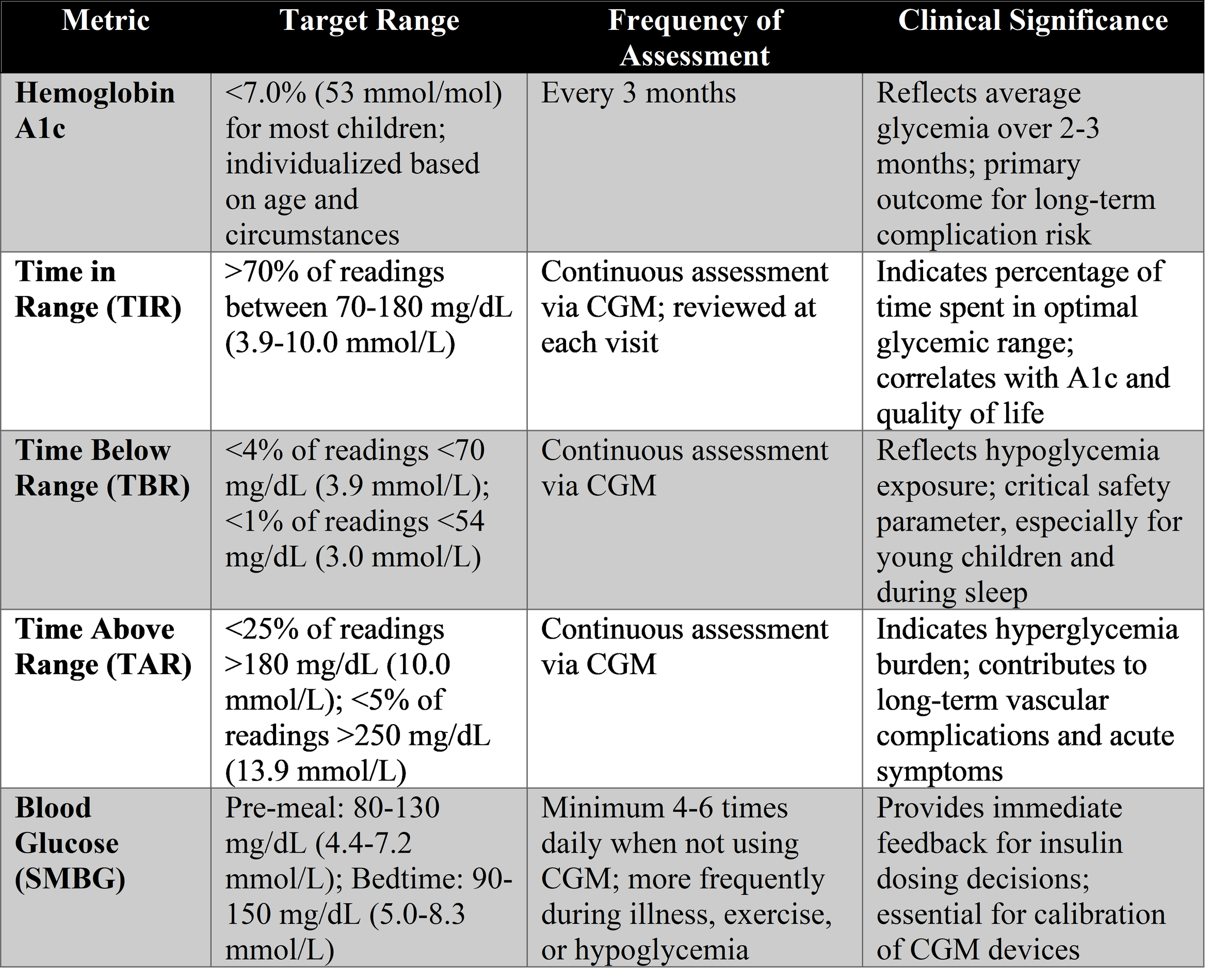
The metrics derived from continuous glucose monitoring have become central to diabetes management, with time in range (TIR), defined as the percentage of time with glucose values between 70 and 180 mg/dL (3.9 and 10.0 mmol/L), emerging as a key outcome measure alongside hemoglobin A1c. The International Consensus on Time in Range recommends a target TIR of greater than 70% for most children and adolescents, with time below range (TBR) of less than 4% and time above range (TAR) of less than 25%. These metrics provide a more nuanced assessment of glycemic control than hemoglobin A1c alone, revealing the frequency, duration, and severity of hypo- and hyperglycemic excursions that impact quality of life and long-term outcomes.
Automated insulin delivery systems, which algorithmically adjust insulin delivery from pumps based on continuous glucose monitoring data, represent the most significant advance in type 1 diabetes management in recent years. These systems, ranging from hybrid closed-loop systems that automate basal insulin delivery while requiring user input for meals to fully automated systems, have demonstrated remarkable improvements in glycemic control and quality of life. The 2024 ISPAD guidelines recommend automated insulin delivery for children and adolescents with type 1 diabetes who are using insulin pumps, with evidence demonstrating increased TIR, reduced hemoglobin A1c, reduced hypoglycemia, and reduced diabetes burden compared with standard pump therapy or multiple daily injections.
Nutritional management remains a fundamental component of diabetes care, with the 2024 ISPAD guidelines recommending individualized meal plans that accommodate family preferences, cultural practices, and the child's age and activity level. Carbohydrate counting enables flexible insulin dosing matched to carbohydrate intake, though the accuracy of carbohydrate estimation remains a challenge, particularly in young children and for mixed meals. The guidelines emphasize that dietary recommendations for children with diabetes should mirror those for healthy children, with emphasis on balanced nutrition, avoidance of sugar-sweetened beverages, and appropriate portion sizes.
Physical activity is encouraged for all children with diabetes, with benefits including improved insulin sensitivity, cardiovascular health, and psychosocial well-being. The 2024 ISPAD guidelines provide specific recommendations for glucose management during exercise, including pre-exercise glucose assessment, carbohydrate supplementation for low glucose values, and adjustment of insulin doses for prolonged activity. Continuous glucose monitoring with trend arrows and predictive alerts is particularly valuable for exercise management, enabling proactive prevention of exercise-induced hypoglycemia.
Management of Type 2 Diabetes and Other Forms
The management of type 2 diabetes in youth presents distinct challenges, with lifestyle modification representing the foundation of therapy but often insufficient to achieve glycemic targets. Metformin is the first-line pharmacological agent, improving insulin sensitivity and reducing hepatic glucose production. Insulin therapy is indicated for youth with ketosis or DKA at diagnosis, for those with hemoglobin A1c above 9% at diagnosis, and for those who fail to achieve glycemic targets on metformin alone. The 2024 ISPAD guidelines recommend that youth with type 2 diabetes be managed within a multidisciplinary team including a pediatric endocrinologist, dietitian, diabetes educator, and mental health professional, with attention to comorbidities including hypertension, dyslipidemia, and non-alcoholic fatty liver disease.
Monogenic diabetes requires specific diagnostic approaches and targeted therapies. Neonatal diabetes caused by KATP channel mutations can often be treated with oral sulfonylureas, which bind to the mutated channel and restore insulin secretion, enabling discontinuation of insulin therapy in many cases. MODY subtypes have specific treatment implications, with MODY caused by HNF1A or HNF4A mutations responding sensitively to sulfonylureas, while MODY caused by GCK mutations often requires no treatment beyond monitoring. The recognition of monogenic diabetes has important implications for genetic counseling, as many forms follow autosomal dominant inheritance patterns.
Acute Complications and Emergencies
Diabetic ketoacidosis (DKA) represents the most serious acute complication of diabetes in children, requiring prompt recognition and management to prevent morbidity and mortality. The 2024 ISPAD guidelines provide detailed protocols for DKA management, emphasizing fluid resuscitation, insulin therapy, electrolyte monitoring, and neurological surveillance for cerebral edema. The guidelines recommend isotonic fluid resuscitation with 0.9% sodium chloride at 10-20 mL/kg over 1-2 hours, followed by maintenance fluids with added potassium and dextrose as indicated. Insulin therapy should be initiated at 0.05-0.1 units/kg/hour after initial fluid resuscitation, with the goal of gradual correction of hyperglycemia and metabolic acidosis. Cerebral edema, the most feared complication of DKA, should be suspected in patients with deterioration in neurological status, and treated with hypertonic saline or mannitol.
Hypoglycemia represents another important acute complication, particularly in young children who may be unable to recognize or communicate symptoms. The 2024 ISPAD guidelines define hypoglycemia as glucose values below 70 mg/dL (3.9 mmol/L), with clinically significant hypoglycemia below 54 mg/dL (3.0 mmol/L) and severe hypoglycemia requiring assistance below 54 mg/dL. Continuous glucose monitoring with predictive alerts and automated insulin delivery has substantially reduced the risk of severe hypoglycemia, though vigilance remains necessary, particularly during exercise, illness, and sleep.
Psychosocial Dimensions and Health Disparities
The psychosocial burden of diabetes in childhood extends beyond the affected child to encompass parents, siblings, and the broader family system. The 2024 ISPAD guidelines emphasize that psychosocial care should be integrated into routine diabetes management, with screening for depression, anxiety, diabetes distress, and eating disorders at regular intervals. Diabetes distress, characterized by the emotional burden of living with a demanding chronic condition, affects a substantial proportion of youth with diabetes and their parents, impacting glycemic control and quality of life. Family-based interventions, peer support programs, and mental health professionals with diabetes expertise represent important components of comprehensive care.
Health disparities in pediatric diabetes represent a pressing concern, with significant variation in access to insulin, monitoring supplies, and technology both between and within countries. The 2024 ISPAD guidelines acknowledge that in limited resource settings, the availability and affordability of glucose meters, test strips, and continuous glucose monitoring cannot be guaranteed, and suggest that at minimum, pre-meal and bedtime blood glucose testing should be performed to determine appropriate insulin dosing. The guidelines emphasize that diabetes center personnel should advocate to ensure that all children and adolescents with diabetes have continuing access to all glucose monitoring equipment, recognizing that access to technology is a matter of health equity rather than luxury.
Discussion
The landscape of pediatric diabetes management has been transformed by technological advances that have shifted the paradigm from reactive glucose management to proactive, data-driven optimization. The 2024 ISPAD guidelines reflect this transformation, with strong recommendations for continuous glucose monitoring from diagnosis and for automated insulin delivery systems that algorithmically adjust insulin delivery based on real-time glucose data. These technologies have demonstrated remarkable improvements in glycemic control, reduction of acute complications, and enhancement of quality of life, yet their benefits remain unevenly distributed across populations.
The staging of type 1 diabetes represents a conceptual advance with profound implications for clinical practice. The recognition that autoimmune beta-cell destruction begins years before clinical symptoms enables identification of at-risk individuals through autoantibody screening, with the potential for intervention to delay or prevent disease onset. The approval of teplizumab for delay of progression from stage 2 to stage 3 type 1 diabetes marks the first disease-modifying therapy for this condition, though its high cost and limited availability constrain access for many who might benefit. The integration of staging into clinical practice requires development of screening programs for at-risk populations, including first-degree relatives of individuals with type 1 diabetes and children from high-risk genetic backgrounds.
The evidence supporting continuous glucose monitoring has matured considerably, with the 2024 ISPAD guidelines strongly recommending its use in all children and adolescents with type 1 diabetes. The metrics derived from continuous glucose monitoring, particularly time in range, have become central to clinical decision-making, providing a more nuanced assessment of glycemic control than hemoglobin A1c alone. The guidelines emphasize that initiation of continuous glucose monitoring as soon as possible after diagnosis may benefit long-term glycemic trajectories, with early initiation associated with sustained improvements over years of follow-up. However, the guidelines acknowledge that in limited resource settings, access to continuous glucose monitoring may not be feasible, and suggest minimum standards for blood glucose monitoring to guide insulin dosing.
Automated insulin delivery systems represent the most significant advance in type 1 diabetes management, with evidence demonstrating increased time in range, reduced hemoglobin A1c, and reduced hypoglycemia compared with standard insulin delivery methods. The 2024 ISPAD guidelines recommend automated insulin delivery for children and adolescents using insulin pumps, with recognition that these systems reduce the burden of diabetes management and improve quality of life. The integration of continuous glucose monitoring with insulin pumps and control algorithms has enabled approaches to glycemic control that were unimaginable a decade ago, with some systems achieving time in range approaching that of individuals without diabetes.
The psychosocial dimensions of pediatric diabetes demand attention alongside the medical management. The burden of living with a demanding chronic condition affects children, parents, and siblings, with implications for mental health, family functioning, and glycemic outcomes. The 2024 ISPAD guidelines emphasize that psychosocial care should be integrated into routine diabetes management, with screening for depression, anxiety, diabetes distress, and eating disorders. The development of interventions addressing the psychosocial burden of diabetes, including family-based programs, peer support, and digital mental health tools, represents an important direction for future research.
Health disparities in pediatric diabetes remain a pressing concern, with significant variation in access to insulin, monitoring supplies, and technology. The financial burden of diabetes care can be catastrophic for families in low- and middle-income countries, where out-of-pocket healthcare costs may consume a substantial proportion of household income. The 2024 ISPAD guidelines acknowledge these disparities and provide guidance for management in resource-limited settings, though the fundamental challenge of ensuring equitable access to life-saving therapy remains unresolved. Advocacy for affordable insulin, universal access to monitoring supplies, and reduction of technology costs represents an essential component of the global response to pediatric diabetes.
Conclusion
Diabetes mellitus in children encompasses a spectrum of disorders unified by chronic hyperglycemia, with type 1 diabetes representing the predominant form in pediatric populations. The 2024 ISPAD guidelines provide a comprehensive framework for contemporary management, emphasizing the integration of continuous glucose monitoring from diagnosis, automated insulin delivery systems, structured education, and psychosocial support. The staging of type 1 diabetes has enabled earlier recognition and intervention, with teplizumab offering the first disease-modifying therapy to delay progression in high-risk individuals. Despite remarkable technological advances, significant disparities persist in access to diabetes technology and specialized care, particularly in resource-limited settings. The integration of medical management with attention to psychosocial well-being and advocacy for health equity represents the contemporary standard of care for children living with diabetes.
References
International Society for Pediatric and Adolescent Diabetes. ISPAD Clinical Practice Consensus Guidelines 2024. Pediatr Diabetes. 2024;25(Suppl 1):1-180.
Tauschmann M, Thabit H, Bally L, et al. ISPAD Clinical Practice Consensus Guidelines 2024: Diabetes technologies: Glucose monitoring. Pediatr Diabetes. 2025;26(1):e70001.
American Diabetes Association. 14. Children and adolescents: Standards of Care in Diabetes—2025. Diabetes Care. 2025;48(Suppl 1):S245-S264.
Holt RIG, DeVries JH, Hess-Fischl A, et al. The management of type 1 diabetes in adults. A consensus report by the American Diabetes Association (ADA) and the European Association for the Study of Diabetes (EASD). Diabetologia. 2021;64(12):2609-2652.
Herold KC, Bundy BN, Long SA, et al. An anti-CD3 antibody, teplizumab, in relatives at risk for type 1 diabetes. N Engl J Med. 2019;381(7):603-613.
Insel RA, Dunne JL, Atkinson MA, et al. Staging presymptomatic type 1 diabetes: a scientific statement of JDRF, the Endocrine Society, and the American Diabetes Association. Diabetes Care. 2015;38(10):1964-1974.
Maahs DM, West NA, Lawrence JM, Mayer-Davis EJ. Epidemiology of type 1 diabetes. Endocrinol Metab Clin North Am. 2010;39(3):481-497.
Dabelea D, Mayer-Davis EJ, Saydah S, et al. Prevalence of type 1 and type 2 diabetes among children and adolescents from 2001 to 2009. JAMA. 2014;311(17):1778-1786.
Ziegler AG, Rewers M, Simell O, et al. Seroconversion to multiple islet autoantibodies and risk of progression to diabetes in children. JAMA. 2013;309(23):2473-2479.
Battelino T, Danne T, Bergenstal RM, et al. Clinical targets for continuous glucose monitoring data interpretation: recommendations from the international consensus on time in range. Diabetes Care. 2019;42(8):1593-1603.
Beck RW, Bergenstal RM, Riddlesworth TD, et al. Validation of time in range as an outcome measure for diabetes clinical trials. Diabetes Care. 2019;42(3):400-405.
Brown SA, Kovatchev BP, Raghinaru D, et al. Six-month randomized, multicenter trial of closed-loop control in type 1 diabetes. N Engl J Med. 2019;381(18):1707-1717.
Fornari CD, Guzman CB, Acosta AA, et al. Closed-loop insulin delivery in children and adolescents with type 1 diabetes: a systematic review and meta-analysis. Acta Diabetol. 2021;58(4):401-412.
Hood KK, Beavers DP, Yi-Frazier J, et al. Psychosocial burden and glycemic control during the first 6 years of diabetes: results from the SEARCH for Diabetes in Youth study. J Adolesc Health. 2014;55(4):498-504.
Wood JR, Miller KM, Maahs DM, et al. Most youth with type 1 diabetes in the T1D Exchange Clinic Registry do not meet American Diabetes Association or International Society for Pediatric and Adolescent Diabetes clinical guidelines. Diabetes Care. 2013;36(7):2035-2037.
Clements MA, Foster NC, Maahs DM, et al. Hemoglobin A1c (HbA1c) changes over time among adolescent and young adult participants in the T1D Exchange Clinic Registry. Pediatr Diabetes. 2016;17(5):327-336.
DeSalvo D, Miller KM, Hermann J, et al. Continuous glucose monitoring and glycemic control among youth with type 1 diabetes: international comparison from the T1D Exchange and DPV Initiative. Pediatr Diabetes. 2018;19(7):1271-1275.
Foster NC, Beck RW, Miller KM, et al. State of type 1 diabetes management and outcomes from the T1D Exchange in 2016-2018. Diabetes Technol Ther. 2019;21(2):66-72.
Nagl K, Hermann JM, Plamper E, et al. Association of insulin pump therapy vs insulin injection therapy with severe hypoglycemia, ketoacidosis, and glycemic control among children, adolescents, and young adults with type 1 diabetes. JAMA. 2017;318(14):1358-1366.
Sherr JL, Tauschmann M, Battelino T, et al. ISPAD Clinical Practice Consensus Guidelines 2018: Diabetes technologies. Pediatr Diabetes. 2018;19(Suppl 2):302-325.