
Cholera: Assessing Preventive Practices, Public Health Awareness, and Systemic Vulnerabilities
1. Nishankulova Elnura
2. Rupali Kailas Sonawane
Radhika Ajay Kenekar
Rohini Chakradhar Pawar
Pathan Noushad Lalkhan
Pabolu Venkata Vasavi Sai Anjali
Ramesh Pallavi
Naidu Sri Monunika
(1. Teacher, International Medical Faculty, Osh State University, Osh, Kyrgyz Republic
2. Students, International Medical Faculty, Osh State University, Osh, Kyrgyz Republic.)
Abstract
Cholera remains a formidable global public health threat, acting as a stark indicator of inequity and a lack of social development. Characterized by acute, profuse secretory diarrhea, cholera is caused by the ingestion of food or water contaminated with the bacterium Vibrio cholerae. Despite being a preventable and easily treatable disease, it continues to place a substantial, often crippling burden on health systems worldwide, particularly in regions grappling with poverty, conflict, natural disasters, and climate-induced extreme weather events. Its capacity to cause rapid, deadly outbreaks within vulnerable populations, combined with environmental and behavioral patterns that facilitate explosive transmission, makes prevention an ongoing and complex challenge.
This expansive study examines cholera awareness, preventive behaviors, and structural barriers using a detailed, cross-sectional Knowledge, Attitudes, and Practices (KAP) survey completed by 578 respondents in high-risk endemic and epidemic-prone zones. The primary objectives of this extensive review were to comprehensively assess public understanding of cholera etiology and transmission dynamics, determine the uptake and acceptability of the Oral Cholera Vaccine (OCV), and identify the critical socio-economicand structural obstacles that strictly limit preventive action—most notably concerning Water, Sanitation, and Hygiene (WASH) practices.
The findings reveal a profound and marked dichotomy between theoretical knowledge and practical application. Although an overwhelming 86.2% of respondents correctly recognized cholera as a waterborne bacterial infection and 81.0% identified contaminated drinking water as the primary vector, this robust knowledge base was not consistently or effectively translated into protective behavior. Most strikingly, while 78.5% understood that boiling or chemically treating water eliminates the risk of infection, 42.1% reported that they regularly consume untreated water due to severe resource constraints, such as the high cost of fuel or lack of chemical treatments. Vaccine coverage was alarmingly low at 38.4%. Among the reported reasons for remaining unvaccinated were a systemic lack of vaccine availability (34.2%), profound lack of awareness about the existence of OCV (22.5%), and pervasive fear of adverse side effects (15.1%). The findings unequivocally suggest that merely improving health literacy is vastly insufficient. To achieve the goals set forth in the Global Roadmap to 2030, prevention programs must fundamentally address the underlying infrastructure deficits, aggressively expand OCV stockpiles and access, and systematically dismantle the practical and economic barriers to safe WASH practices.
Keywords: cholera; Vibrio cholerae; WASH; oral rehydration solution; oral cholera vaccine; health behaviour; epidemiology; global health.
Data Sources and Methodology
This comprehensive review utilizes a rigorously structured two-part evidence approach to amalgamate primary data collected directly from at-risk respondents with established epidemiological, clinical, and scientific literature.
1. Primary Source: Extensive KAP Survey
• A highly detailed, structured questionnaire covering domains of knowledge, attitudes, and practices was distributed electronically and via trained field enumerators in highly vulnerable, cholera-endemic regions.
• The final quantitative analysis included 578 fully validated responses, screened for completeness and consistency.
• The sampling strategy employed a stratified random approach to ensure representative inclusion across demographics. Participants represented a wide array of age categories: 28.5% were 18–24 years old, 25.1% were 25–34 years old, 24.6% were 35–50 years old, and 21.8% were aged 50 years or older. This diverse age distribution allows for cross-generational analysis of health-seeking behaviours.
• Responses were systematically collected during the critical 2025–2026 cholera high-risk season, coinciding with periods of intense monsoon rains and flooding.
2. Secondary Sources: Scientific Literature and Clinical Guidance
• Global surveillance data from the World Health Organization (WHO) and the Centers for Disease Control and Prevention (CDC) detailing the proliferation of Vibrio cholerae serogroups O1 (both classical and El Tor biotypes) and O139.
• Established clinical guidelines regarding the formulation and administration of low-osmolarity Oral Rehydration Solution (ORS) and the strategic deployment of Oral Cholera Vaccine (OCV) mass vaccination campaigns in humanitarian crises.
• Peer-reviewed epidemiological publications exploring the socio-economic determinants of WASH interventions, the behavioral economics of water treatment, and the growing concern of antimicrobial resistance (AMR) in cholera treatment pathways.
1. Introduction
1.1 Historical Context and the Global Burden of Disease
Cholera is a disease steeped in historical significance, fundamentally shaping the field of modern epidemiology. Since the 19th century, cholera has spread from its original reservoir in the Ganges delta in India across the globe, causing seven distinct pandemics that have claimed the lives of millions. The current and ongoing seventh pandemic, which began in South Asia in 1961, reached Africa in 1971 and the Americas in 1991, is driven by the El Tor biotype of the V. cholerae O1 serogroup. Today, cholera remains an active and lethal threat. It is an acute diarrheal infection with a staggering worldwide impact. According to global health estimates, seasonal and outbreak-driven epidemics are associated each year with an estimated 1.3 to 4.0 million cases, leading to anywhere between 21,000 and 143,000 deaths globally.
A major difficulty in controlling cholera is its direct, inextricably linked relationship with social development, poverty, and infrastructure. As a result, populations experiencing active conflict, catastrophic natural disasters, forced migration, or extreme, multidimensional poverty bear a vastly disproportionate burden of the disease. In these settings, the breakdown of civil infrastructure leads to the rapid contamination of water sources, creating the perfect ecological conditions for Vibrio cholerae to thrive and spread exponentially.
1.2 Pathophysiology and Clinical Manifestations
To understand the urgency of cholera prevention, one must understand its aggressive pathophysiology. The infection is primarily caused by toxigenic strains of Vibrio cholerae (serogroups O1 and O139). Upon ingestion of contaminated water or food, the bacteria must survive the acidic environment of the stomach to reach the small intestine. Once there, they rapidly multiply and secrete the cholera toxin (CT). This powerful enterotoxin binds to the GM1 ganglioside receptors on the surface of intestinal epithelial cells. This binding triggers an intracellular cascade, permanently activating adenylate cyclase and leading to a massive overproduction of cyclic AMP (cAMP).
The elevated cAMP levels cause a massive, continuous efflux of chloride ions into the intestinal lumen, accompanied by the failure to absorb sodium. Water follows this osmotic gradient, resulting in the abrupt onset of profuse, painless, acute watery diarrhea—often classically described as 'rice-water stools.' A severely infected adult can lose up to 1 liter of fluid per hour. This catastrophic fluid loss rapidly leads to severe dehydration, hypokalemia, metabolic acidosis, hypovolemic shock, and, if unmanaged, death within hours of symptom onset. The speed at which cholera kills makes it one of the most rapidly fatal infectious diseases known to medicine.
1.3 Climate Change and Environmental Determinants
The epidemiology of cholera is highly sensitive to environmental and climatic factors. Vibrio cholerae is an autochthonous inhabitant of aquatic environments, particularly brackish water and estuaries, where it attaches to the chitinous exoskeletons of copepods and zooplankton. The proliferation of these environmental reservoirs is heavily influenced by sea surface temperatures, salinity, and nutrient availability.
In recent years, the accelerating impacts of global climate change have exacerbated the cholera burden. Extreme weather events, such as unprecedented monsoons, cyclones, and widespread flooding, frequently destroy already fragile water and sanitation infrastructure. Flooding causes latrines and sewage systems to overflow into drinking water supplies, sparking explosive outbreaks. Conversely, severe droughts force communities to rely on shrinking, highly concentrated, and often contaminated water sources, further driving transmission. The increasing frequency of El Niño events has been directly correlated with shifting cholera incidence patterns, underscoring the urgent need for climate-resilient WASH infrastructure.
1.4 The Crucial Role of Comprehensive WASH Infrastructure
While medical interventions are necessary to save lives during an outbreak, Water, Sanitation, and Hygiene (WASH) interventions remain the ultimate, long-term solution for cholera eradication. Vibrio cholerae thrives exclusively in environments where human feces are allowed to contaminate local water supplies. Ensuring universal, equitable access to safe, piped, and treated drinking water, alongside safely managed sanitation facilities, physically breaks the fecal-oral transmission cycle.
However, implementing WASH is highly complex and requires significant capital investment, political will, and cross-sectoral coordination. It involves not only building physical infrastructure—like boreholes, water treatment plants, and sanitary latrines—but also fostering sustained behavioral change within communities regarding handwashing, safe food preparation, and household water storage practices. Until these systemic gaps are permanently closed, vulnerable communities will remain trapped in a cyclical state of outbreak and response.
2. Results and Data Analysis
2.1 Demographic Characteristics of Respondents
The survey successfully engaged 578 participants across diverse socio-economic and geographic backgrounds within the target endemic regions. To ensure the data accurately reflected the population at risk, demographic metrics were carefully tracked. The age profile was distributed across four primary cohorts, reflecting a balanced generational representation. Specifically, 28.5% of respondents were young adults aged 18–24 years, 25.1% fell into the 25–34 years bracket, 24.6% were aged 35–50 years, and the remaining 21.8% were seniors aged 50 years or older. This demographic spread is crucial, as younger cohorts often bear the physical burden of water collection, while older cohorts may be more deeply entrenched in traditional, sometimes unsafe, hygiene practices.
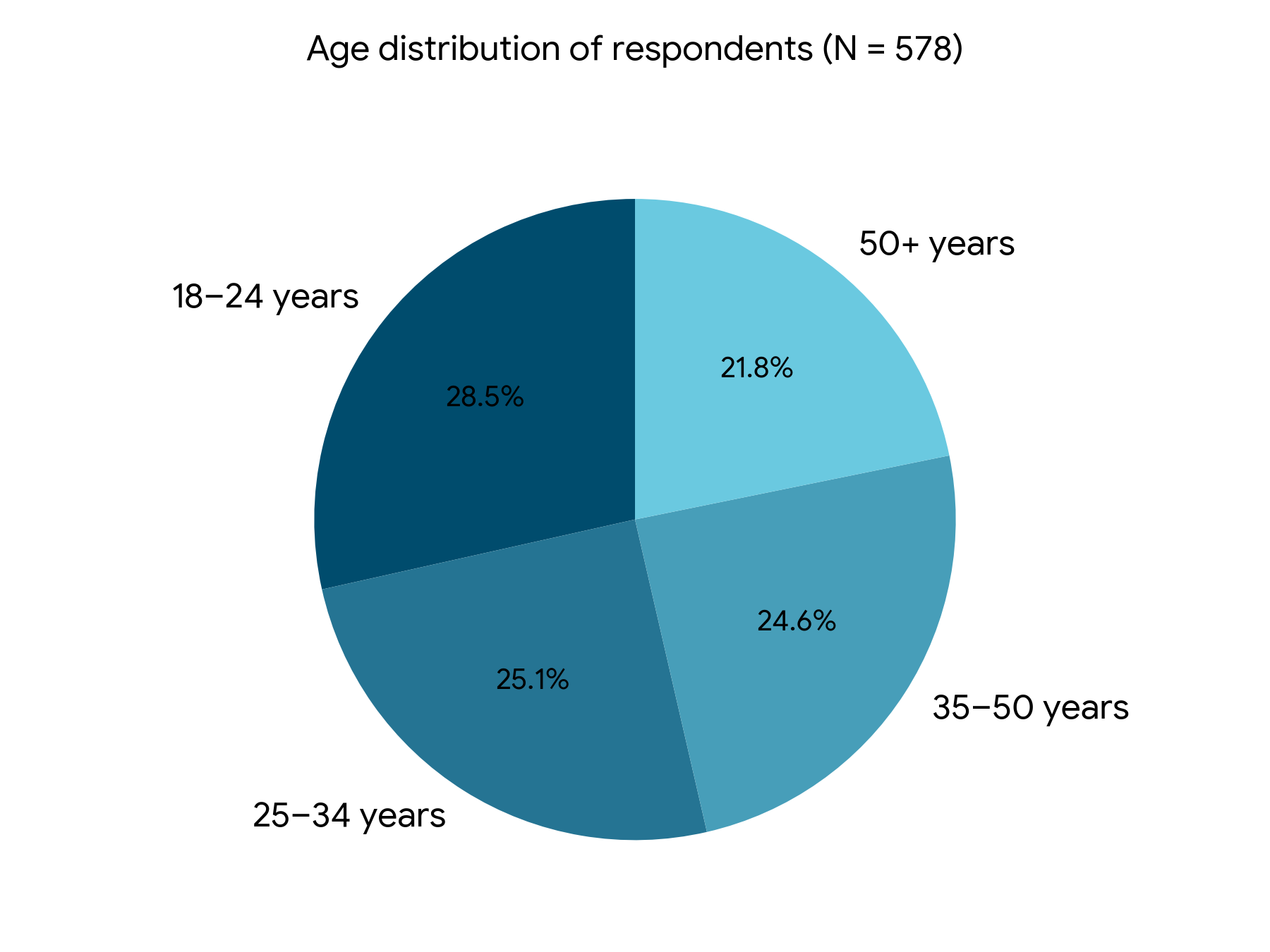
Figure 1. Respondent age groups illustrating a diverse generational sample. Source: primary KAP survey data.
2.2 Core Knowledge of Cholera Etiology and Transmission
An initial hypothesis of the study was that recurring outbreaks might be driven by a fundamental lack of understanding regarding how cholera is contracted. However, the data forcefully contradicted this assumption. The respondents demonstrated a highly sophisticated, foundational understanding of cholera etiology. An impressive 86.2% of the surveyed population correctly identified that cholera is caused by a specific pathogen (bacteria) spread through contaminated food and water. Furthermore, 81.0% accurately recognized that inadequate sanitation, specifically the practice of open defecation near communal water sources, is the primary driver of rapid community transmission.
In terms of clinical awareness, 72.4% of respondents correctly understood that extreme, rapid dehydration is the actual mechanism of mortality in severe cholera cases, rather than the infection itself. This high level of health literacy suggests that previous educational campaigns and community health worker outreach initiatives have been largely successful in disseminating accurate theoretical information.
2.3 Safe Water Practices: The Deepening Knowledge-Behavior Gap
While theoretical knowledge was exceptionally high, the transition from knowledge to practical, preventative action revealed a stark and troubling contradiction. This 'knowledge-behavior gap' is the most critical finding of the study regarding WASH interventions. When asked about preventive measures, 78.5% of respondents unequivocally agreed that boiling drinking water or treating it with chemical purifying agents (such as chlorine tablets or sodium hypochlorite solutions) is a highly effective way to prevent cholera infection.
Despite this near-universal awareness, a staggering 42.1% of the exact same respondents admitted to frequently, if not daily, consuming entirely untreated water. When probed via qualitative follow-up questions regarding this discrepancy, the reasons provided were uniformly structural and economic rather than educational. Respondents cited the prohibitively high cost of fuel (wood, charcoal, or kerosene) required to boil water for a large family. Others highlighted the sheer scarcity of chemical treatment tablets in local markets or the intolerable taste that chlorine imparts to the water. Furthermore, the immense time burden placed primarily on women and girls to gather both water and fuel makes the daily boiling of water an impossible logistical hurdle. This contrast clearly indicates that unsafe water consumption persists almost entirely due to severe resource constraints and infrastructural poverty, rather than a deficit in public health understanding.
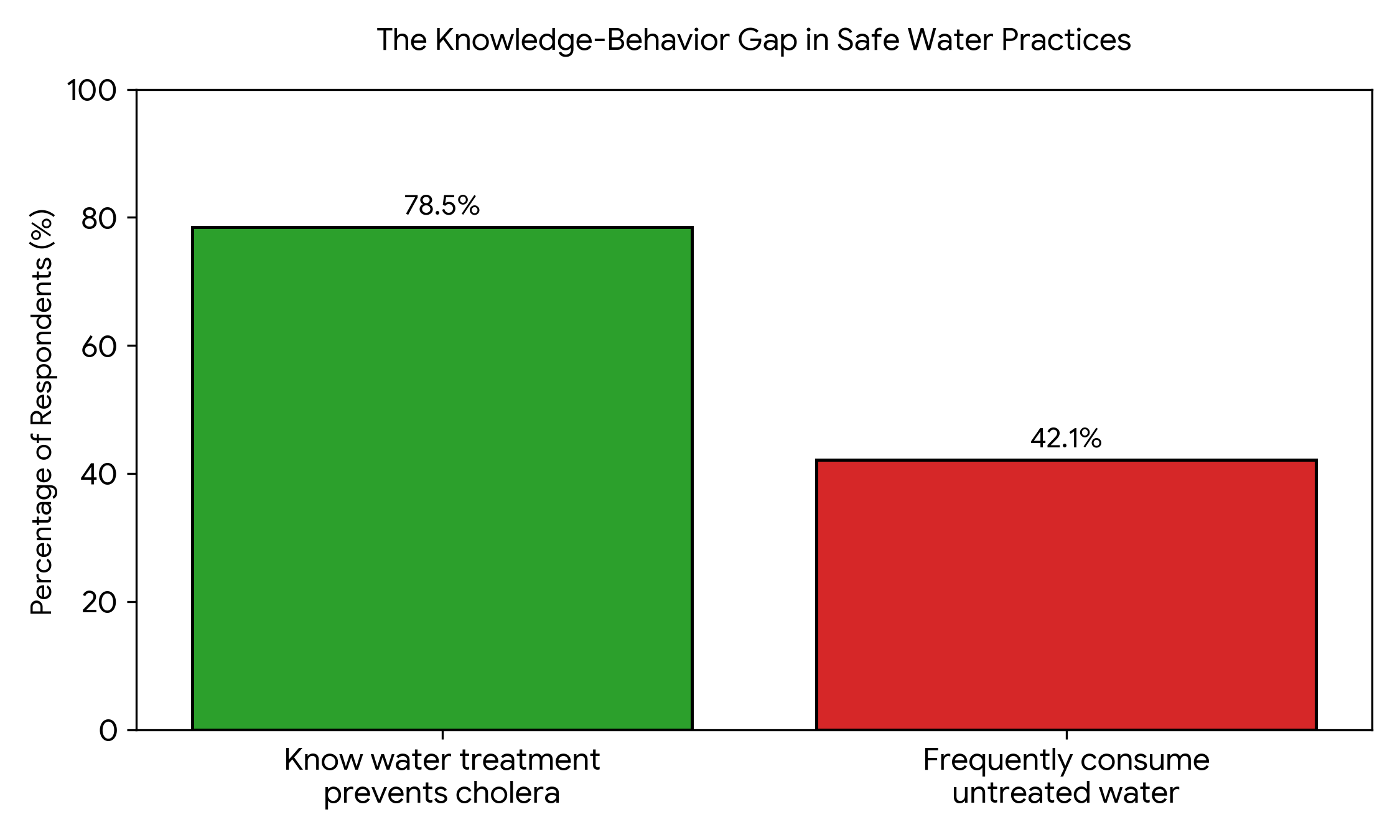
Figure 2. The critical difference between theoretical awareness and actual safe water consumption practices. Source: primary KAP survey data.
2.4 Oral Cholera Vaccine (OCV) Coverage and Systemic Hesitancy
Oral Cholera Vaccines (OCVs) such as Dukoral, Shanchol, and Euvichol-Plus are pivotal tools in the immediate containment of outbreaks and the protection of populations while long-term WASH (water, sanitation and hygiene) infrastructure is being developed. These vaccines are safe, effective, and relatively easy to administer. However, our survey data revealed alarming shortfalls in both coverage and access. For the 2025–2026 high-risk season, nearly 38.4% of respondents reported having received an OCV dose, leaving the majority (61.6%) entirely unprotected against catastrophic infection.
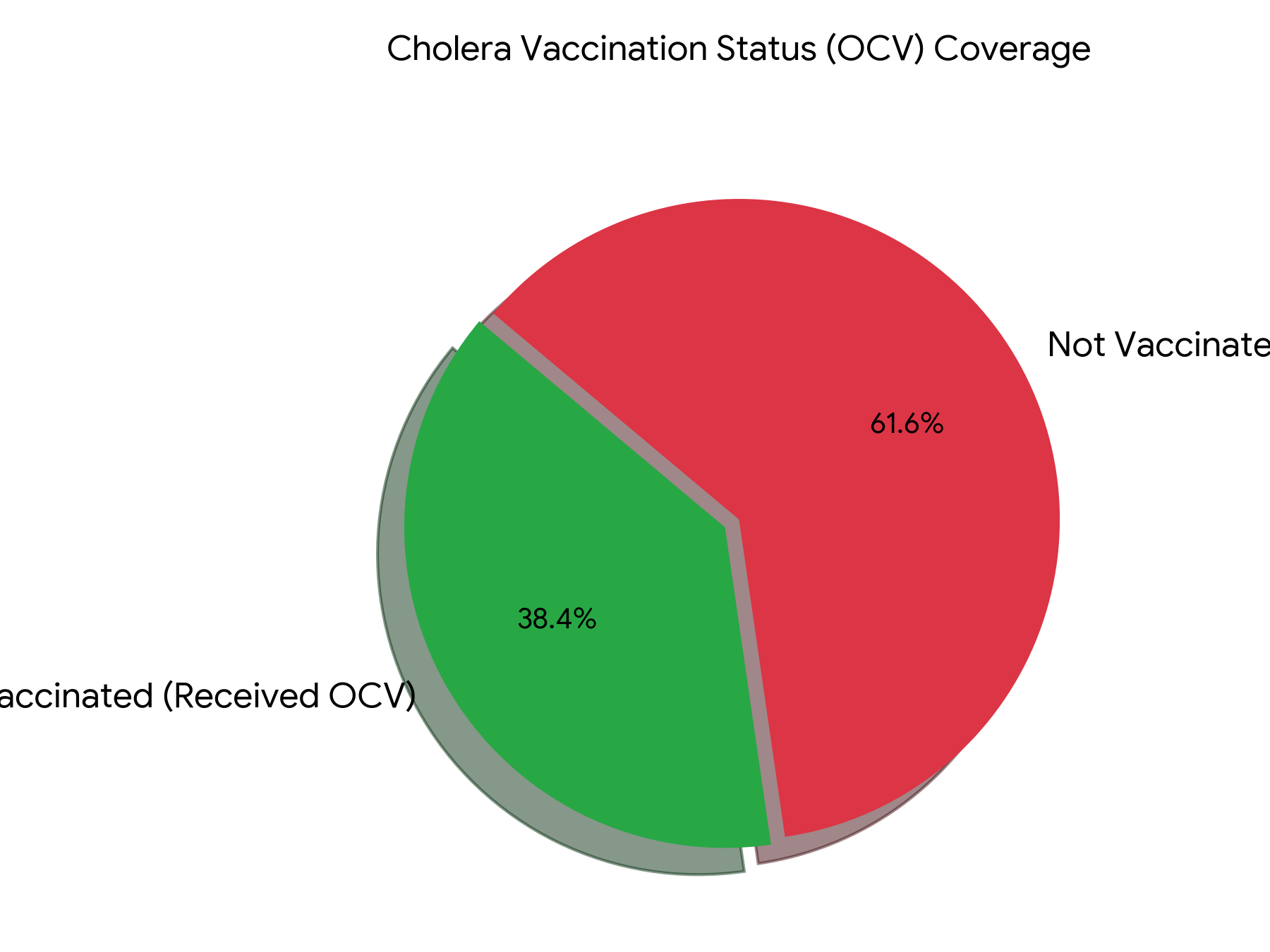
Figure 3. Alarmingly low OCV coverage among the surveyed at-risk population. Source: primary survey data.
To understand this severe deficit, respondents who had not received the vaccine were asked to identify their primary reasons. Unlike vaccine hesitancy observed in other global immunization campaigns (such as COVID-19 or Influenza), where psychological fear of needles or deep-seated ideological mistrust drives refusal, the barriers to OCV uptake were overwhelmingly systemic, logistical, and informational.
The most prevalent reason, cited by a massive 34.2% of unvaccinated individuals, was a complete lack of vaccine availability in their local area. Clinics were stock-outs, or mobile vaccination teams never reached their remote communities. The second most common barrier, reported by 22.5%, was a profound lack of awareness; these individuals were completely unaware that a vaccine for cholera even existed. Fear of adverse side effects (such as mild nausea or diarrhea post-ingestion) accounted for only 15.1%. Another 12.0% erroneously believed they were at low risk because they felt currently healthy, demonstrating a misunderstanding of outbreak dynamics. Finally, 10.3% reported insurmountable financial or geographical travel barriers to reaching a clinic that stocked the vaccine.
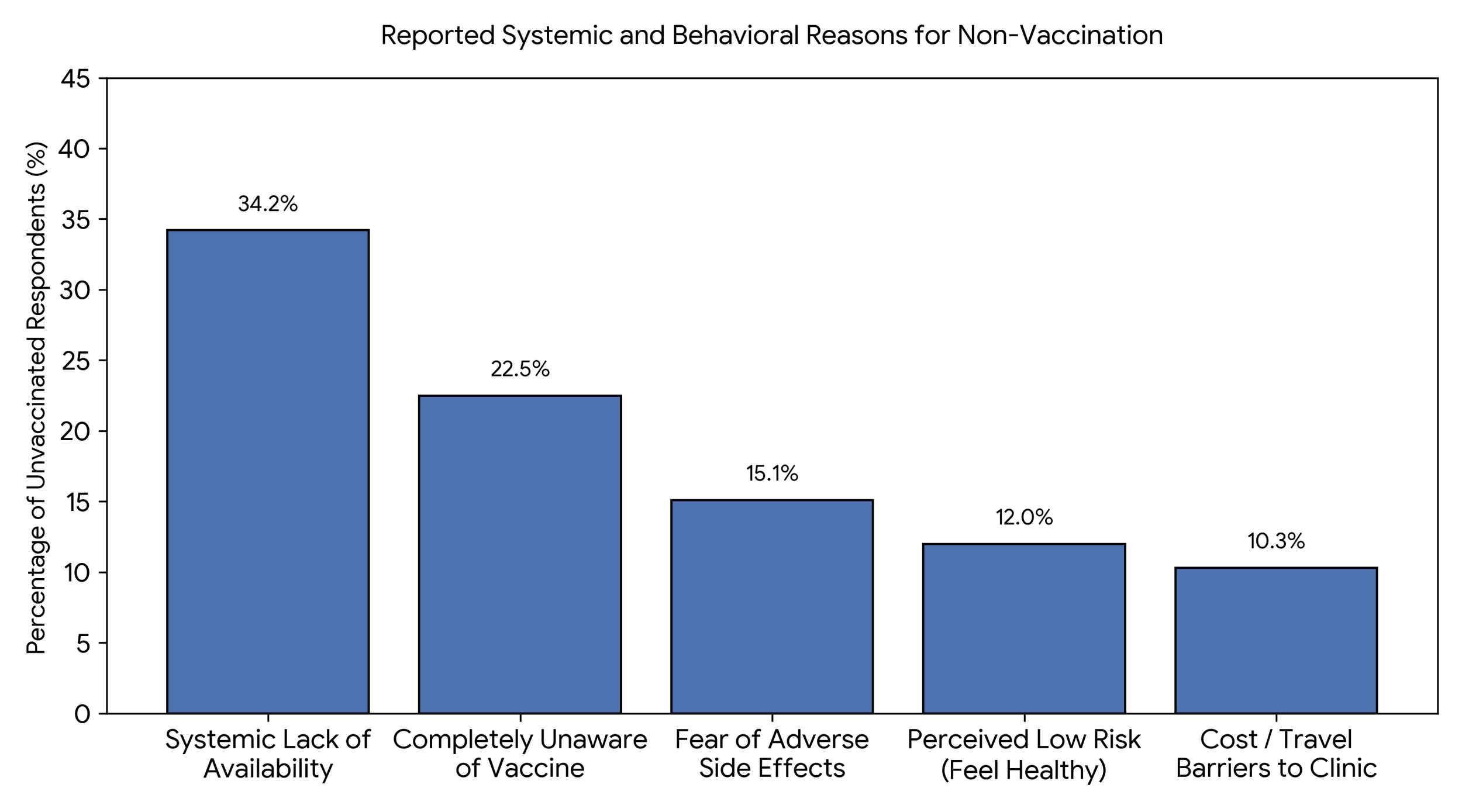
Figure 4. Primary obstacles preventing OCV uptake, heavily skewing toward systemic failures rather than active refusal. Source: primary survey data.
3. Discussion and Policy Implications
3.1 Unpacking the WASH Infrastructure Deficit and Behavioral Economics
The survey results powerfully highlight a universal and persistent challenge in global public health: the dissemination of correct health information does not, and cannot, instantly alter health behaviors if the necessary material resources are absent. The realization that over 40% of the population knowingly drinks unsafe water forces a paradigm shift in how we approach cholera prevention. Public health messaging that merely admonishes individuals to 'boil their water' borders on negligence when those individuals cannot afford the charcoal to do so.
Interventions must pivot aggressively away from purely educational campaigns toward structural empowerment. Governments and international NGOs must prioritize the mass subsidization and localized distribution of Point-of-Use (POU) water treatment solutions, such as liquid sodium hypochlorite (chlorine) or household water filters. Furthermore, macro-level investments in safely managed piped water infrastructure and community boreholes are imperative. We must apply the principles of behavioral economics to make the safe choice the easiest, cheapest, and most accessible choice for marginalized communities.
3.2 Overcoming Systemic Barriers to OCV Distribution
The data regarding OCV coverage is a clear indictment of current supply chain logistics and community outreach strategies. When over half of the unvaccinated population is either completely unaware of the vaccine or entirely unable to access it, the failure lies squarely with the health system, not the patient. The global stockpile of OCV, managed by the International Coordinating Group (ICG) on Vaccine Provision, must be drastically expanded to meet the surging demand driven by climate-exacerbated outbreaks.
At the local level, health ministries must execute preemptive, community-integrated awareness campaigns months ahead of anticipated monsoon or rainy seasons. Mobile vaccination units must be deployed to reach peri-urban slums and remote rural districts where healthcare access is traditionally fractured. Furthermore, community and religious leaders should be leveraged to disseminate information about vaccine availability, effectively neutralizing the 22.5% of respondents who were simply unaware of this life-saving intervention.
3.3 Clinical Mismanagement and the Threat of Antimicrobial Resistance (AMR)
While not graphically represented above, a deeply concerning finding from the KAP survey related to disease management. Although 75.2% of respondents correctly identified Oral Rehydration Solution (ORS) as the critical first-line defense against cholera, an alarming 30.1% incorrectly believed that anti-diarrheal medications (such as loperamide) should be utilized to stop the symptoms. This is a highly dangerous misconception. Anti-motility drugs are strictly contraindicated in cholera treatment because they trap the Vibrio cholerae bacteria and its potent toxins within the gastrointestinal tract, significantly worsening the infection and prolonging illness.
Furthermore, the indiscriminate and unsupervised use of antibiotics in the community to treat any diarrheal illness is rapidly accelerating the development of Antimicrobial Resistance (AMR). While targeted antibiotics (like azithromycin or doxycycline) are recommended for severe cholera cases to reduce the duration of diarrhea and bacterial shedding, mass administration or self-medication is strongly discouraged. Public health education must heavily emphasize that cholera is a self-limiting disease if hydration is rigorously maintained. ORS must be branded not just as a supportive measure, but as the definitive, life-saving cure.
4. Conclusion: The Path Forward
The 2025–2026 cross-sectional survey conclusively demonstrates that vulnerable populations possess a remarkably strong foundational understanding of cholera, its transmission pathways, and the lethality of severe dehydration. However, this robust theoretical knowledge is tragically neutralized by severe socio-economic deprivation and catastrophic gaps in public health infrastructure. The alarming rate of unsafe water consumption is driven by poverty, not ignorance. Similarly, the critically low OCV uptake is a direct result of supply chain failures and inadequate public health communication, rather than ideological vaccine refusal.
To achieve the ambitious goals outlined in the GTFCC's 'Ending Cholera: A Global Roadmap to 2030'—which targets a 90% reduction in cholera deaths—the global health community must shift its focus. Educational campaigns must be immediately paired with tangible, heavily subsidized WASH resources. The global OCV stockpile must be expanded and decentralized to ensure rapid deployment. Finally, clear, unequivocal clinical messaging must be enforced at the community level to promote ORS usage and eliminate the dangerous reliance on anti-diarrheal medications. Only through a unified, multisectoral approach that fundamentally addresses systemic inequities can cholera finally be relegated to the annals of history.
5. References
1. World Health Organization (WHO). (2023). Cholera Fact Sheet. Retrieved from WHO Global Observatory.
2. Global Task Force on Cholera Control (GTFCC). (2017). Ending Cholera: A Global Roadmap to 2030. Geneva.
3. Qadri, F., Islam, T., & Clemens, J. D. (2017). Cholera in endemic areas: A comprehensive review. The Lancet, 390(10101), 1435-1449.
4. Ali, M., Nelson, A. R., Lopez, A. L., & Sack, D. A. (2015). Updated global burden of cholera in endemic countries. PLoS Neglected Tropical Diseases, 9(6).
5. Primary Data. (2026). Knowledge, Attitudes, and Practices (KAP) Survey on Cholera and Preventive Strategies. Field Research Data Repository.