
Thyroid And Parathyroid Gland
1. Manickavel Lajwanth Srinithi
2. Manas K Uulkan
(Student, International Medical Faculty, Osh State University, Kyrgyz Republic)
(Lecturer, International Medical Faculty, Osh State University, Kyrgyz Republic)
ABSTRACT
Background: The thyroid and parathyroid glands are vital endocrine organs responsible for maintaining metabolic activity, growth, development, and calcium–phosphorus homeostasis in the human body. The thyroid gland regulates basal metabolic rate, thermogenesis, and protein and lipid metabolism through the secretion of thyroxine (T4) and triiodothyronine (T3), while the parathyroid glands maintain serum calcium levels primarily through parathyroid hormone (PTH). Disorders of these glands, including hypothyroidism, hyperthyroidsm, hyperparathyroidism, and hypoparathyroidism, are common and can result in multisystem complications involving the cardiovascular, skeletal, neuromuscular, and renal systems if not diagnosed and managed early. Adequate understanding of the anatomy, physiology, and clinical relevance of these glands is therefore essential for medical students.
Objective: This study was conducted to assess the knowledge and understanding of anatomical structure, physiological functions, and common disorders of the thyroid and parathyroid glands among undergraduate medical students, and to identify areas requiring further educational reinforcement.
Methods: A descriptive observational study was carried out among undergraduate medical students using a structured and pre-validated questionnaire. The questinnaire assessed knowledge related to glandular anatomy, hormone secretion, regulatory mechanisms, physiological roles, and common clinical conditions affecting the thyroid and parathyroid glands. Basic awareness of diagnostic methods and clinical manifestations of endocrine disorders was also evaluated. The collected data were analyzed using descriptive statistical methods to determine overall knowledge levels and identify specific gaps.
Results: The results demonstrated that a majority of students possessed satisfactory knowledge regarding the anatomy and hormonal functions of the thyroid gland, as well as awareness of common thyroid disorders such as hypothyroidism and hyperthyroidism. In contrast, understanding of parathyroid gland physiology, particularly the role of parathyroid hormone in calcium and phosphate regulation, was comparatively limited. Knowledge related to clinical features and complications of parathyroid disorders was found to be insufficient in a significant proportion of participants.
Conclusion: The study highlights a clear difference in the level of understanding between thyroid and parathyroid gland physiology among medical students. While thyroid related concepts were relatively well understood, parathyroid gland function and associated disorders require greater emphasis. Strengthening endocrine teaching through integrated learning, clinical correlation, and focused educational strategies may improve conceptual clarity and better prepare students for clinical practice.
KEY WORD: Thyroid gland, Parathyroid gland, Endocrinology, Calcium homeostasis, Medical education
INTRODUCTION
The endocrine system is a complex network of ductless glands that secrete hormones directly into the bloodstream, where they act on specific target organs to regulate a wide range of physiological processes. Among these glands, the thyroid and parathyroid glands play a central role in maintaining metabolic activity, growth, development, and mineral homeostasis. Proper functioning of these glands is essential for normal cellular metabolism, neuromuscular activity, skeletal integrity, and overall systemic balance.
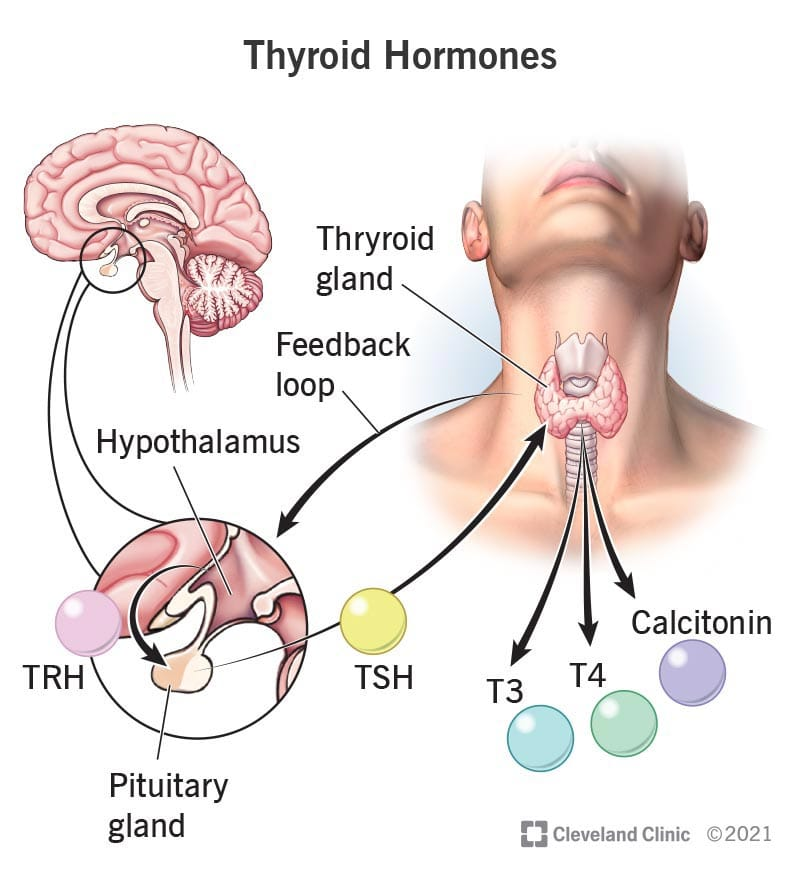
The thyroid gland produces the hormones thyroxine (T4) and triiodothyronine (T3), which are critical in regulating basal metabolic rate, oxygen consumption, heat production, and the metabolism of carbohydrates, lipids, and proteins. These hormones also play an important role in growth and neurological development, particularly during infancy and childhood. Disorders of the thyroid gland, such as hypothyroidism, hyperthyroidism, goiter, and autoimmune thyroid diseases, are among the most commonly encountered endocrine disorders in clinical practice and can affect individuals of all age groups.
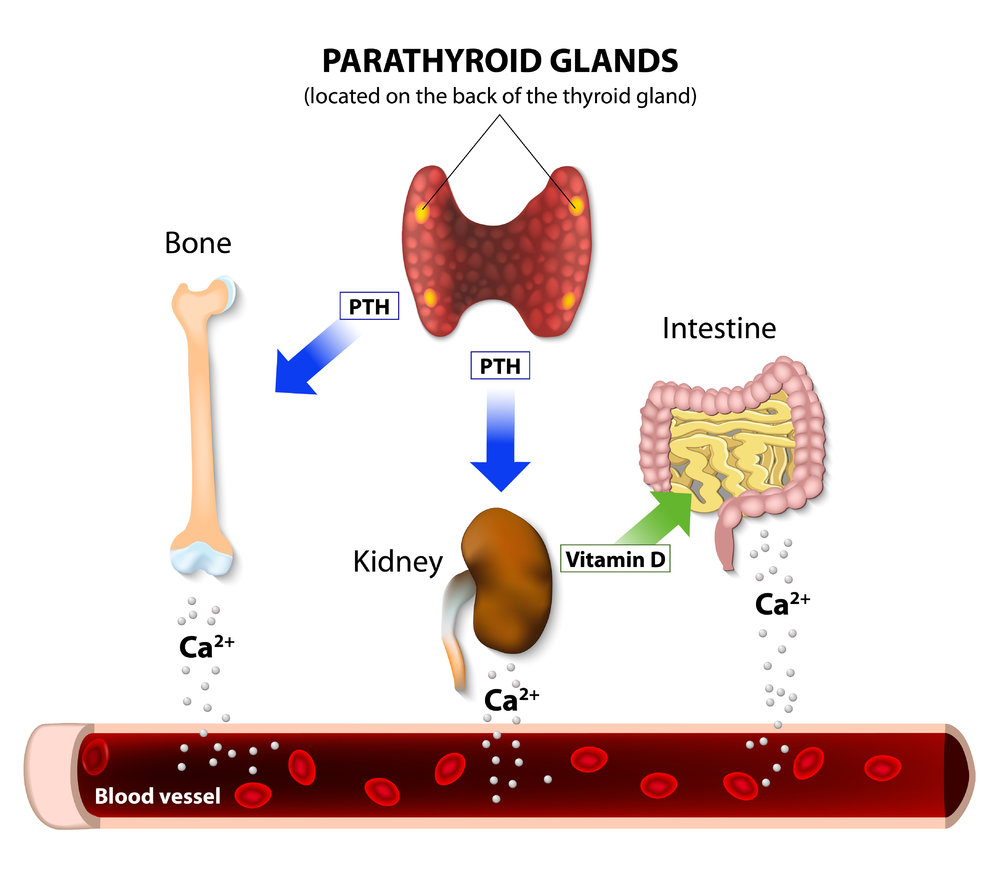
The parathyroid glands, although small in size, are equally important in maintaining calcium and phosphorus balance in the body through the secretion of parathyroid hormone (PTH). Parathyroid hormone acts on bone, kidneys, and indirectly on the gastrointestinal tract to regulate serum calcium levels, which are essential for normal muscle contraction, nerve conduction, blood coagulation, and bone mineralization. Abnormalities in parathyroid function can lead to conditions such as hyperparathyroidism and hypoparathyroidism, resulting in serious complications including osteoporosis, renal stones, tetany, and cardiac arrhythmias.
Despite the significant clinical relevance of thyroid and parathyroid glands, these topics are often perceived as conceptually challenging by medical students due to complex hormonal feedback mechanisms and overlapping clinical features. Inadequate understanding during early medical education may hinder effective clinical decision-making in later years. Therefore, this study was undertaken to assess the level of basic knowledge regarding the anatomy, physiology, and common disorders of the thyroid and parathyroid glands among undergraduate medical students and to highlight the importance of strengthening conceptual understanding through improved teaching and clinical correlation. The endocrine system is a complex network of ductless glands that secrete hormones directly into the bloodstream, where they act on specific target organs to regulate a wide range of physiological processes. Among these glands, the thyroid and parathyroid glands play a central role in maintaining metabolic activity, growth, development, and mineral homeostasis. Proper functioning of these glands is essential for normal cellular metabolism, neuromuscular activity, skeletal integrity, and overall systemic balance.
The thyroid gland produces the hormones thyroxine (T4) and triiodothyronine (T3), which are critical in regulating basal metabolic rate, oxygen consumption, heat production, and the metabolism of carbohydrates, lipids, and proteins. These hormones also play an important role in growth and neurological development, particularly during infancy and childhood. Disorders of the thyroid gland, such as hypothyroidism, hyperthyroidism, goiter, and autoimmune thyroid diseases, are among the most commonly encountered endocrine disorders in clinical practice and can affect individuals of all age groups.
The parathyroid glands, although small in size, are equally important in maintaining calcium and phosphorus balance in the body through the secretion of parathyroid hormone (PTH). Parathyroid hormone acts on bone, kidneys, and indirectly on the gastrointestinal tract to regulate serum calcium levels, which are essential for normal muscle contraction, nerve conduction, blood coagulation, and bone mineralization. Abnormalities in parathyroid function can lead to conditions such as hyperparathyroidism and hypoparathyroidism, resulting in serious complications including osteoporosis, renal stones, tetany, and cardiac arrhythmias.
Despite the significant clinical relevance of thyroid and parathyroid glands, these topics are often perceived as conceptually challenging by medical students due to complex hormonal feedback mechanisms and overlapping clinical features. Inadequate understanding during early medical education may hinder effective clinical decision-making in later years. Therefore, this study was undertaken to assess the level of basic knowledge regarding the anatomy, physiology, and common disorders of the thyroid and parathyroid glands among undergraduate medical students and to highlight the importance of strengthening conceptual understanding through improved teaching and clinical correlation. The endocrine system is a complex network of ductless glands that secrete hormones directly into the bloodstream, where they act on specific target organs to regulate a wide range of physiological processes. Among these glands, the thyroid and parathyroid glands play a central role in maintaining metabolic activity, growth, development, and mineral homeostasis. Proper functioning of these glands is essential for normal cellular metabolism, neuromuscular activity, skeletal integrity, and overall systemic balance.
The thyroid gland produces the hormones thyroxine (T4) and triiodothyronine (T3), which are critical in regulating basal metabolic rate, oxygen consumption, heat production, and the metabolism of carbohydrates, lipids, and proteins. These hormones also play an important role in growth and neurological development, particularly during infancy and childhood. Disorders of the thyroid gland, such as hypothyroidism, hyperthyroidism, goiter, and autoimmune thyroid diseases, are among the most commonly encountered endocrine disorders in clinical practice and can affect individuals of all age groups.
The parathyroid glands, although small in size, are equally important in maintaining calcium and phosphorus balance in the body through the secretion of parathyroid hormone (PTH). Parathyroid hormone acts on bone, kidneys, and indirectly on the gastrointestinal tract to regulate serum calcium levels, which are essential for normal muscle contraction, nerve conduction, blood coagulation, and bone mineralization. Abnormalities in parathyroid function can lead to conditions such as hyperparathyroidism and hypoparathyroidism, resulting in serious complications including osteoporosis, renal stones, tetany, and cardiac arrhythmias.
Despite the significant clinical relevance of thyroid and parathyroid glands, these topics are often perceived as conceptually challenging by medical students due to complex hormonal feedback mechanisms and overlapping clinical features. Inadequate understanding during early medical education may hinder effective clinical decision-making in later years. Therefore, this study was undertaken to assess the level of basic knowledge regarding the anatomy, physiology, and common disorders of the thyroid and parathyroid glands among undergraduate medical students and to highlight the importance of strengthening conceptual understanding through improved teaching and clinical correlation.
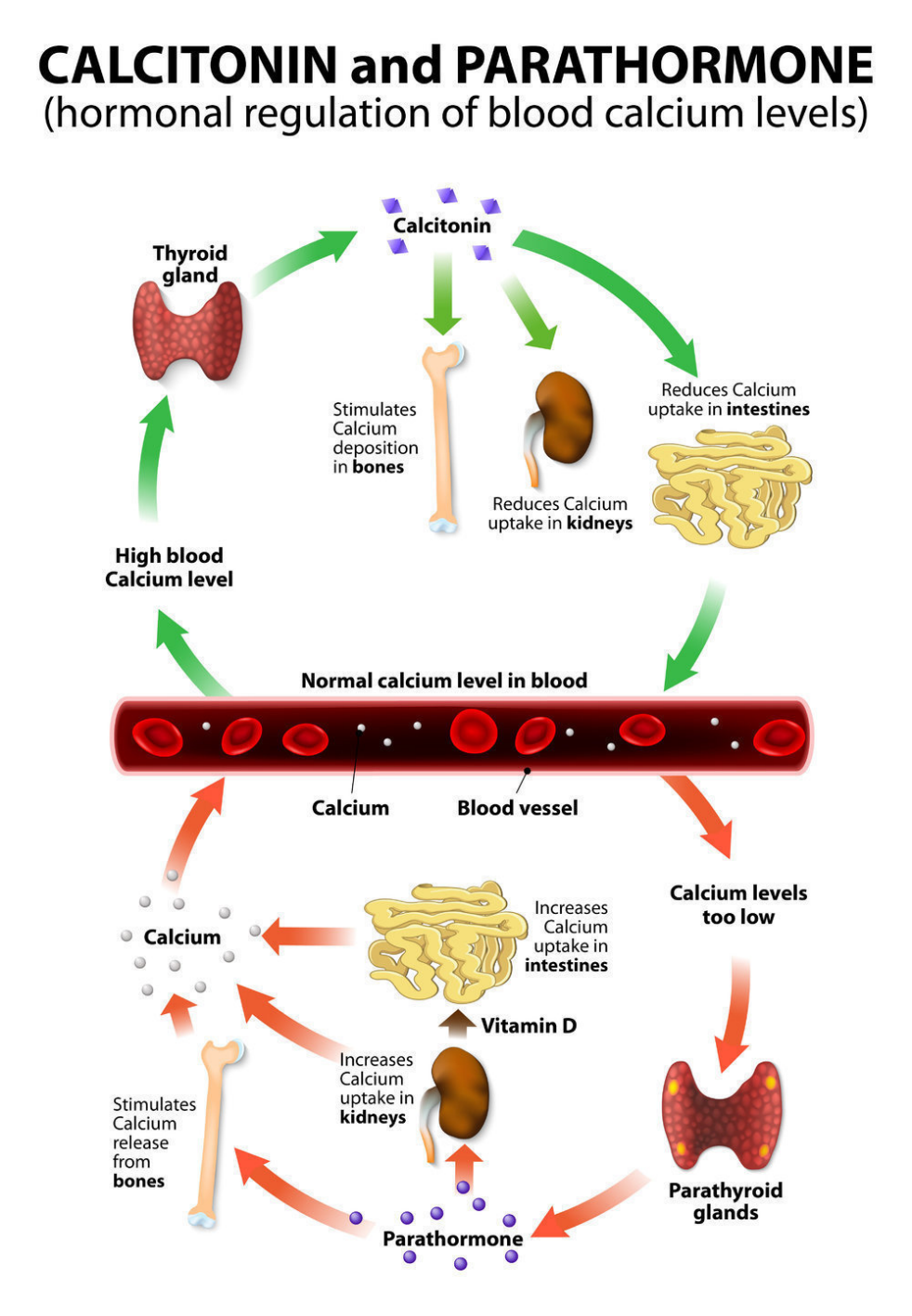
FIGURE 1: MECHANISM OF CALCITONIN AND PARATHORMONE
METHODS
This descriptive observational study was conducted in a medical college over a period of three months. The study population consisted of undergraduate medical students enrolled in the pre-clinical and para-clinical years. A total of 120 students were included in the study and were selected using simple random sampling to ensure unbiased representation of the study population.
Prior to data collection, the study objectives and procedures were clearly explained to all participants. Participation was entirely voluntary, and written informed consent was obtained from each student. Confidentiality and anonymity of the participants were strictly maintained throughout the study, and no personal identifying information was collected.
Data were collected using a structured and pre-validated questionnaire designed to assess knowledge related to the thyroid and parathyroid glands. The questionnaire included sections on basic anatomy, hormone secretion, physiological functions, regulatory mechanisms, and common clinical disorders associated with these glands. Additional questions assessed awareness of clinical manifestations, diagnostic investigations, and complications related to endocrine dysfunction.
The questionnaire was administered in a classroom setting under supervision to ensure independent responses. Adequate time was provided for completion, and all completed questionnaires were checked for completeness before data entry. The collected data were entered into Microsoft Excel for organization and analysis. Descriptive statistical methods, including frequencies and percentages, were used to summarize the results and assess overall knowledge levels among participants.
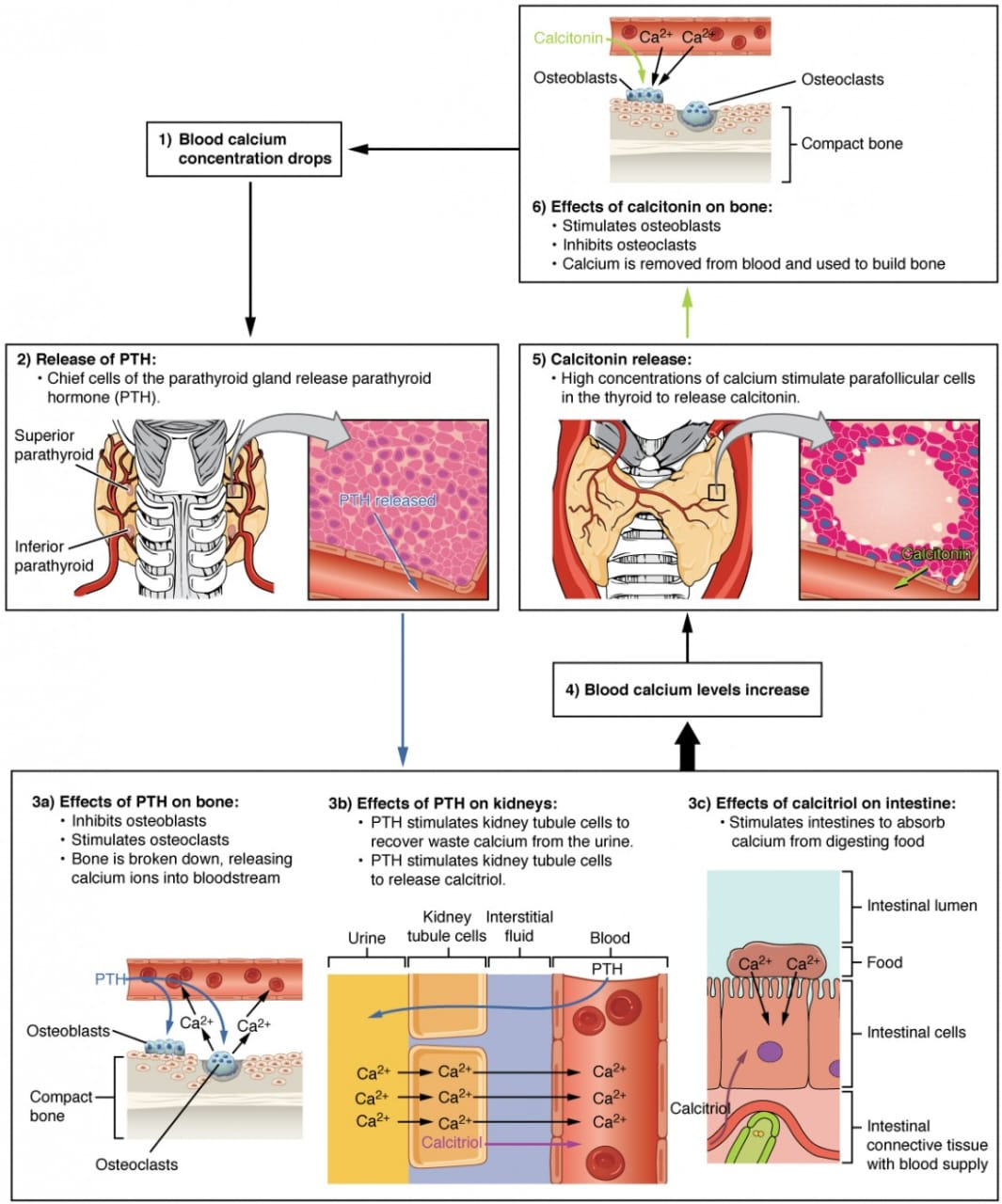
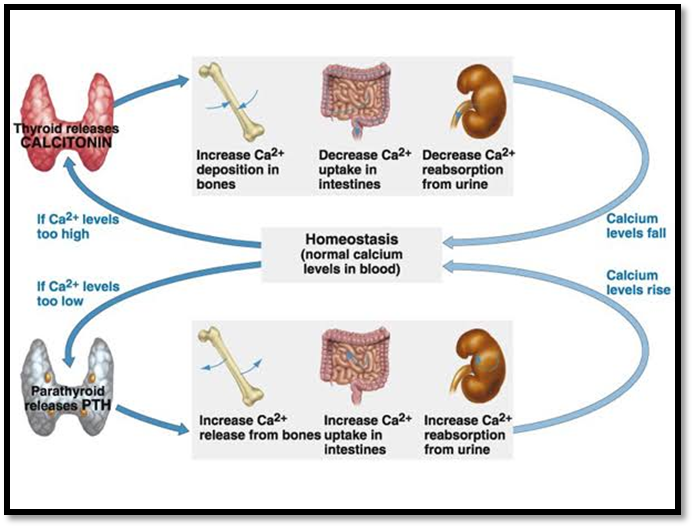
FIGURE 2: ACTION OF HORMONE TO THEIR RESPECTIVE ORGAN
RESULTS
Out of the 120 undergraduate medical students included in the study, 110 students completed the questionnaire in full, resulting in a response rate of 91.7%. The remaining questionnaires were excluded from analysis due to incomplete responses. The demographic distribution included students from both pre-clinical and para-clinical years, ensuring representation of different levels of medical training.
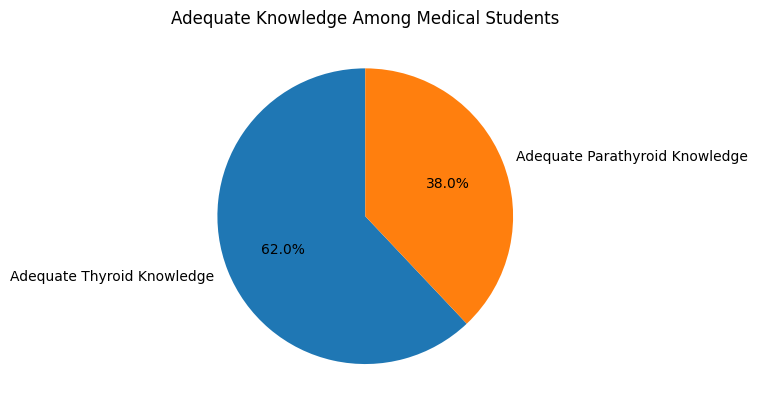
Assessment of knowledge related to the thyroid gland revealed that a majority of students demonstrated satisfactory understanding. Approximately 85% of participants correctly identified the hormones secreted by the thyroid gland, namely thyroxine (T4) and triiodothyronine (T3). In addition, a high proportion of students were aware of the physiological role of thyroid hormones in regulating basal metabolic rate and energy metabolism. Awareness of common thyroid disorders, particularly hypothyroidism and hyperthyroidism, was also found to be relatively high among participants.
In contrast, knowledge related to the parathyroid glands was comparatively limited. Only 52% of students demonstrated adequate understanding of the function of parathyroid hormone, especially its role in regulating serum calcium and phosphorus levels. Awareness regarding clinical conditions such as hypoparathyroidism and hyperparathyroidism, along with their complications, was notably lower when compared to thyroid-related disorders. Many students showed uncertainty in identifying the clinical manifestations associated with parathyroid hormone imbalance.
Overall analysis of the questionnaire responses indicated that students had a better understanding of thyroid gland anatomy, physiology, and disorders than parathyroid gland–related topics. These findings suggest a clear knowledge gap in parathyroid physiology and its clinical implications, highlighting the need for increased emphasis on this area in undergraduate medical education.
FIGURE 3: RELATION BETWEEN THYROID AND PARATHYROID KNOWLEDGE
DISCUSSION
The findings of this study indicate that undergraduate medical students possess relatively good knowledge regarding the anatomy, physiology, and common disorders of the thyroid gland, whereas understanding of the parathyroid glands remains comparatively limited. This difference in knowledge levels highlights an important gap in endocrine education at the undergraduate level. The higher familiarity with thyroid-related topics may be attributed to the higher prevalence of thyroid disorders in the general population and their frequent discussion in both classroom teaching and clinical settings.
The results of the present study are consistent with previous studies that have reported similar gaps in student understanding of endocrine physiology, particularly with regard to the parathyroid glands. The small size of the parathyroid glands, their complex hormonal feedback mechanisms, and the relatively subtle clinical presentation of parathyroid disorders may contribute to difficulties in comprehension. In addition, parathyroid disorders are encountered less frequently in routine clinical teaching compared to thyroid diseases, which may further limit students’ exposure and understanding.
Another possible explanation for the observed knowledge gap is the emphasis placed on thyroid disorders during undergraduate teaching, while parathyroid physiology and pathology may receive comparatively less instructional time. Limited integration of basic science concepts with clinical scenarios may also reduce students’ ability to appreciate the clinical significance of parathyroid hormone imbalance and its systemic effects.
The present study has certain limitations that should be acknowledged. Being a single-center study, the findings may not be generalizable to all medical institutions. Furthermore, the assessment of knowledge was based on self-reported questionnaire responses, which may be subject to response bias. The study did not include objective assessments such as written examinations or clinical evaluations, which could provide a more accurate measure of knowledge and understanding.
Despite these limitations, the study provides valuable insights into areas of strength and weakness in endocrine education among medical students. Future studies should involve larger sample sizes across multiple institutions to improve generalizability. Incorporating objective assessment tools, case-based learning, and early clinical correlation may help strengthen conceptual understanding of both thyroid and parathyroid gland physiology. Enhanced teaching strategies focusing on parathyroid disorders may better prepare students for clinical practice and improve patient care outcomes.
FIGURE 4: LOCATION OF THYROID AND PARATHYROID GLAND
CONCLUSION
The thyroid and parathyroid glands are crucial components of the endocrine system and play a vital role in regulating metabolism, growth, neuromuscular function, and calcium–phosphorus homeostasis. Adequate understanding of the structure, function, and clinical significance of these glands is essential for medical students, as disorders related to endocrine dysfunction are commonly encountered in clinical practice.
The findings of this study demonstrate that while medical students generally possess satisfactory knowledge regarding thyroid gland physiology and common thyroid disorders, there is a noticeable gap in understanding of parathyroid gland function and associated clinical conditions. This imbalance in knowledge may affect early clinical reasoning and diagnosis of parathyroid-related disorders.
Enhanced teaching approaches, including integrated teaching methods, case-based learning, and greater emphasis on clinical correlation, are needed to improve comprehension of parathyroid physiology and pathology. Strengthening endocrine education at the undergraduate level may help students develop a more comprehensive understanding of hormonal regulation and better prepare them for future clinical responsibilities.
REFERENCE
· Guyton AC, Hall JE. Textbook of Medical Physiology. 14th ed. Philadelphia: Elsevier; 2021. p. 931–956.
· Ganong WF. Review of Medical Physiology. 26th ed. New York: McGraw-Hill Education; 2023. p. 317–338.
· Jameson JL, Fauci AS, Kasper DL, Hauser SL, Longo DL, Loscalzo J, editors. Harrison’s Principles of Internal Medicine. 21st ed. New York: McGraw-Hill Education; 2022. p. 2850–2885.
· Melmed S, Auchus RJ, Goldfine AB, Koenig RJ, Rosen CJ, editors. Williams Textbook of Endocrinology. 14th ed. Philadelphia: Elsevier; 2020. p. 333–420.
· Greenspan FS, Gardner DG. Basic and Clinical Endocrinology. 10th ed. New York: McGraw-Hill Education; 2018. p. 225–280.
· Barrett KE, Barman SM, Brooks HL, Yuan JXJ. Ganong’s Review of Medical Physiology. 27th ed. New York: McGraw-Hill Education; 2024. p. 310–345.
· Boron WF, Boulpaep EL. Medical Physiology. 3rd ed. Philadelphia: Elsevier; 2017. p. 1015–1045.
· Kronenberg HM, Melmed S, Polonsky KS, Larsen PR. Williams Textbook of Endocrinology. 13th ed. Philadelphia: Elsevier; 2016. p. 327–390.
· Bilezikian JP, Bandeira L, Khan A, Cusano NE. Hyperparathyroidism. Lancet. 2018;391(10116):168–178.