
Influenza and Acute Respiratory Viral Infections: Assessing Vaccine Effectiveness and Public Health Awareness. A Knowledge, Attitudes, And Practices Review of the 2024–2026 Influenza Season
1. Nishankulova Elnura
2. Tousif Mukkeri
Seema Nigadi
Dasu Sai Harsha
Dishney Navaneetha
Syed Umar
Asha Kumari
Zahra Ishaq
Sumedha Gamare
(1. Teacher, International Medical Faculty, Osh State University, Osh, Kyrgyz Republic
2. Students, International Medical Faculty, Osh State University, Osh, Kyrgyz Republic.)
Abstract
Seasonal influenza continues to affect public health systems around the world. Preventing it is difficult because influenza viruses change over time and because people’s behaviour can help the infection spread. This study examines the 2024–2026 influenza season using a cross-sectional survey on knowledge, attitudes, and practices (KAP). The survey included 578 valid responses. It aimed to assess what participants knew about influenza and how it spreads, examine vaccination uptake, and identify reasons that may prevent people from taking preventive measures.
The results show a difference between what some participants knew and what they said they would do. A total of 84.2% correctly identified influenza as a viral infection, and 82.0% recognised respiratory spread. However, although 69.9% knew that antibiotics do not treat influenza, 25.1% said they would take antibiotics without medical advice if flu symptoms appeared. Overall, 51.6% reported receiving an influenza vaccine. Among those who were not vaccinated, 18.3% mentioned concern about side effects, 18.3% mentioned fear of needles or injection pain, and 16.6% said a doctor had not recommended vaccination. These findings suggest that public health work should not rely on information alone. It should also address people’s concerns, support responsible antibiotic use, and reduce barriers to vaccination.
Keywords: influenza; vaccination; antimicrobial resistance; antigenic drift; vaccine hesitancy; health behaviour.
Data Sources
This review brings together information from two sources: responses collected directly through the survey and background information from scientific publications and public health guidance.
1. Primary source: KAP survey
· A structured online questionnaire was used to ask participants about their knowledge, attitudes, and practices.
· The analysis included 578 valid responses.
· Participants came from different age groups. Those aged 18–24 made up 29.2% of the sample, while 23.2% were aged 50 or older. In total, 53.8% reported having at least one chronic health condition.
· The survey responses were collected during the 2024–2025 influenza season.
2. Secondary sources: literature and guidance
· WHO and CDC surveillance information was used for background on influenza strains circulating during 2024–2026, including H1N1 and the H3N2 subclade K.
· Clinical guidance about seasonal influenza vaccine composition and the appropriate use of antibiotics was also considered.
· The review also considered peer-reviewed research on antigenic drift, vaccine effectiveness, and factors that may influence whether people accept vaccination.
Summary of Findings
Four main findings stood out in the survey:
1. Strong basic knowledge of influenza
· A total of 84.2% identified a virus, rather than a bacterium, as the cause of influenza.
· A total of 82.0% recognised coughing and sneezing, which release respiratory droplets, as a main way influenza spreads.
· A total of 71.6% understood that influenza viruses change over time through antigenic drift. This is one reason the vaccine is reviewed and updated each year.
2. The antibiotic knowledge–practice contradiction
· Knowledge: 69.9% did not agree that antibiotics are an effective treatment for influenza.
· Reported behaviour: 25.1% said that taking antibiotics without medical advice would be their first response to flu symptoms.
· This difference suggests that knowing antibiotics do not work against viruses does not always prevent people from using them. Some may expect antibiotics to be strong medicines or may hope they will provide quick relief.
3. Emotional and healthcare-related barriers to vaccination
· In the survey sample, 51.6% of participants reported that they had received an influenza vaccine.
· Among participants who were not vaccinated, 18.3% reported concern about side effects and another 18.3% reported fear of needles or pain. Together, these reasons accounted for 36.6%.
· A further 16.6% said that a doctor had not recommended vaccination. This points to a possible opportunity for healthcare professionals to discuss vaccination with patients.
4. Understanding of influenza risk
· A total of 72.5% correctly identified shortness of breath as a warning sign that needs urgent medical attention.
· However, 40.3% incorrectly believed that a high fever is not a usual symptom of influenza. This may mean that some participants were unsure how influenza symptoms differ from those of a common cold or other respiratory infection.
1. Introduction
1.1 Influenza as an ongoing public health concern
Influenza is not simply a more severe common cold. It is an acute viral infection of the respiratory system and can cause serious illness. Seasonal influenza epidemics are estimated to cause 3–5 million cases of severe illness and hundreds of thousands of respiratory deaths worldwide each year [1]. One challenge in controlling influenza is that the virus changes over time. As a result, immunity from an earlier infection or vaccination may not protect people as well against later versions of the virus. Influenza therefore remains an ongoing concern for health services and communities.
During the 2024–2026 period discussed in the background material, influenza A(H1N1) and A(H3N2) were among the strains circulating. This period shows how changes in the virus, people’s behaviour, and access to preventive measures can all affect the course of an influenza season.
1.2 The need for annual vaccination: antigenic drift
Influenza vaccines are reviewed regularly because the viruses change over time. As the virus reproduces, small genetic changes can occur. Some changes affect the surface proteins, called antigens, that the immune system recognises. If these proteins change, antibodies formed after an earlier infection or vaccination may recognise the newer virus less effectively. This gradual process is called antigenic drift [3]. It helps explain why people can get influenza in different seasons and why experts review the vaccine composition each year.
1.3 Vaccination as the principal preventive measure
Vaccination is an important way to reduce the risk of severe influenza and its complications. For the season described in the source material, WHO recommendations included trivalent vaccines aimed at three influenza strains: two influenza A subtypes and one influenza B lineage [5]. Vaccination may not prevent every infection. However, it can still reduce the severity of illness and the risk of serious outcomes or hospital admission. The impact of a vaccination programme also depends on public confidence, access to vaccines, and people’s willingness to be vaccinated. Estimates of vaccine effectiveness can vary between seasons [6].
1.4 The antibiotic paradox
Antibiotics work against bacteria, not viruses. For this reason, they do not treat uncomplicated influenza, which is caused by a virus. However, some people use antibiotics without medical advice when they develop a fever or respiratory symptoms. In some settings, antibiotics may be seen as strong medicines that can help with many types of illness. Using them when they are not needed contributes to antimicrobial resistance (AMR), which can make bacterial infections harder to treat [7,9,10]. This study therefore considers whether participants’ reported choices matched their knowledge about antibiotics.
2. Methods
2.1 Study design and participants
A cross-sectional KAP survey was used to examine public knowledge, attitudes, and reported practices related to influenza. The questionnaire did not focus only on infection rates. It also asked what participants understood about influenza, how they viewed vaccination, and what actions they took or might take to protect their health. A total of 578 participants completed the structured online questionnaire.
2.2 Survey domains
The questionnaire covered four main areas:
1. Participant details, including age, work or education background, and health status.
2. Knowledge about influenza transmission, antibiotic use, and why vaccine formulations are reviewed and changed.
3. Attitudes towards vaccine safety, possible benefits, and the need for vaccination.
4. Reported practices related to vaccination, hygiene, and decisions about seeking treatment.
3. Results
3.1 Characteristics of respondents
The survey included people from several age groups. Of the respondents, 29.2% were 18–24 years old, 23.7% were 25–34, 23.9% were 35–50, and 23.2% were aged 50 or older.
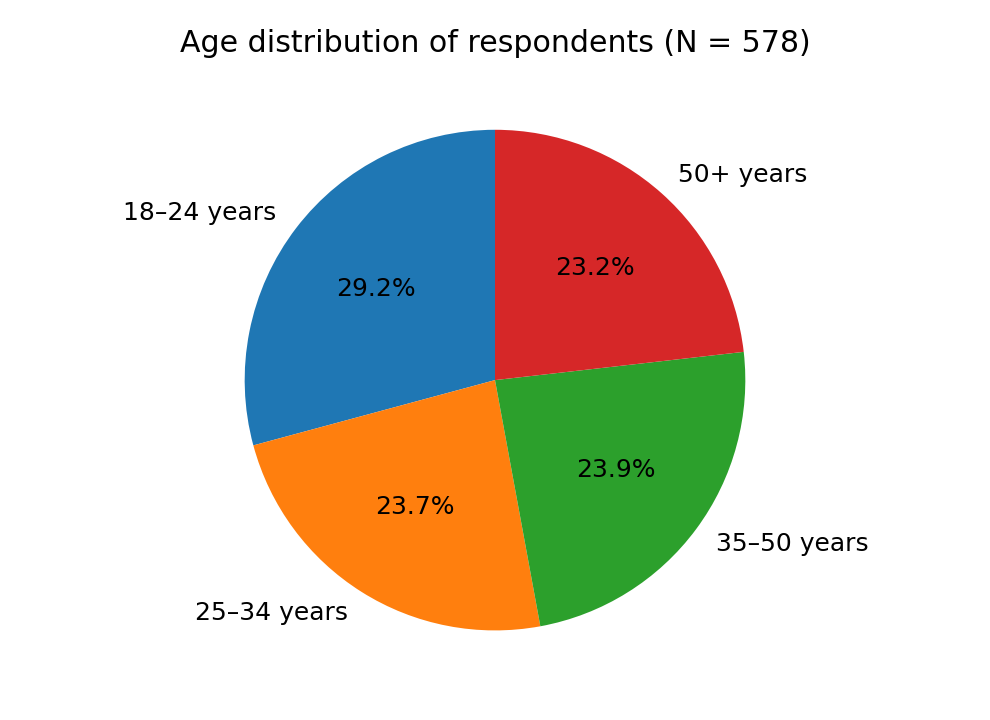
Figure 1. Respondent age groups. Source: primary survey data.
Professional and educational background
Participants reported a range of work or study backgrounds: Medical/Healthcare (24.9%), Non-Medical Science (20.9%), Arts/Humanities (23.0%), and Other fields (31.1%).
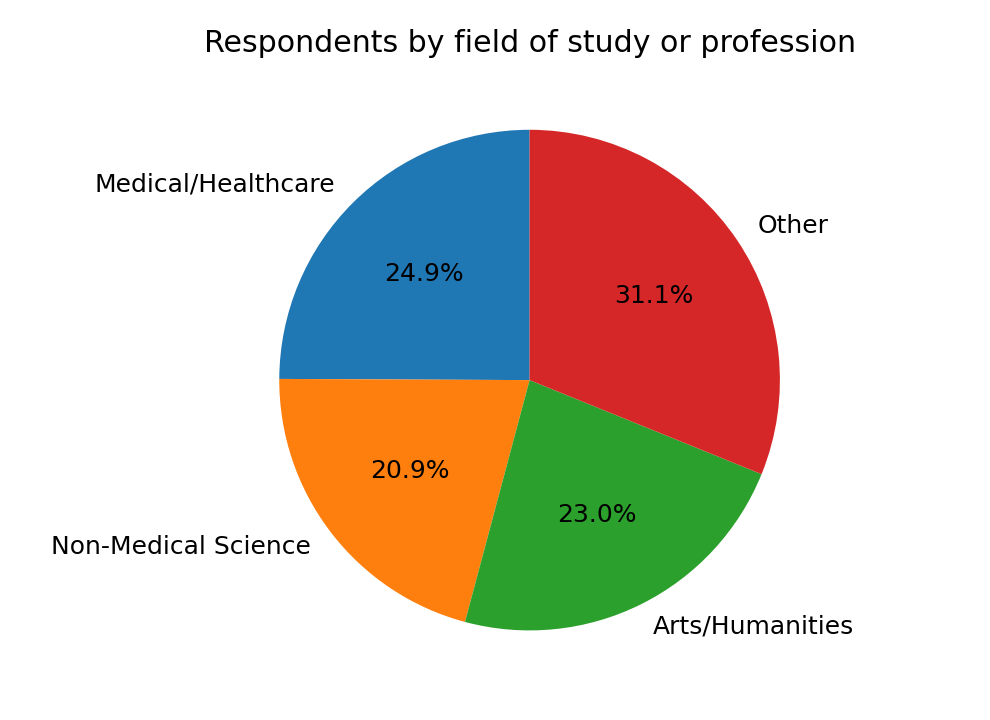
Figure 2. Professional or educational background. Source: primary survey data.
More than half of the respondents (53.8%) reported having a chronic health condition. This is relevant because people with some underlying conditions may be at greater risk of complications from influenza.
3.2 Knowledge about influenza
The responses showed that many participants understood several basic facts about influenza.
· Cause: 84.2% correctly selected influenza virus types A, B, and C. A smaller group (8.3%) incorrectly selected bacteria.
· Transmission: 82.0% knew that influenza mainly spreads through respiratory droplets released when a person coughs or sneezes.
· Changes in the virus: 71.6% understood that antigenic drift changes influenza viruses over time and is one reason vaccination is repeated each year.
3.3 Antibiotic use: the gap between knowledge and behaviour
The survey found that knowledge did not always match reported intentions. Although 69.9% knew that antibiotics are not effective against influenza, 25.1% said they would immediately take antibiotics without medical advice if flu symptoms began.
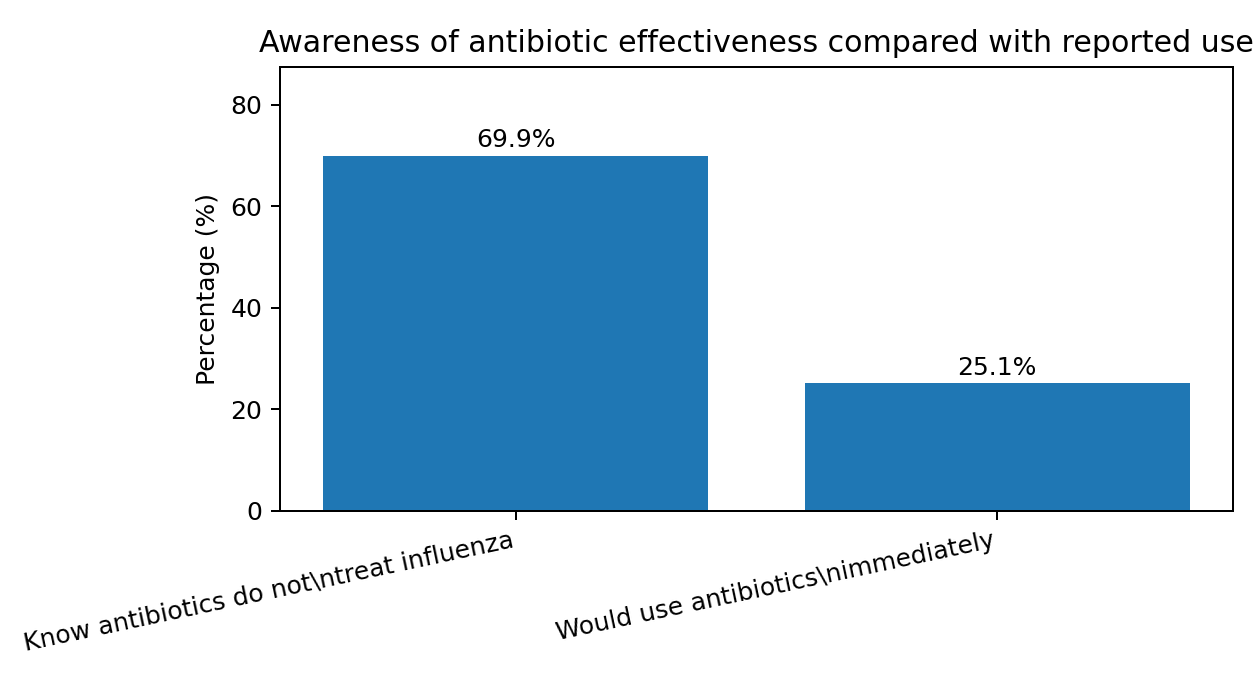
Figure 3. Difference between awareness and reported antibiotic use. Source: primary survey data.
This finding shows a gap between what participants knew and what some said they would do. Knowing that antibiotics do not treat influenza did not always prevent the intention to use them when symptoms started.
3.4 Influenza vaccination and reasons for hesitancy
For the 2024–2025 season, 51.6% of respondents said they had received an influenza vaccine, while 48.4% had not been vaccinated.
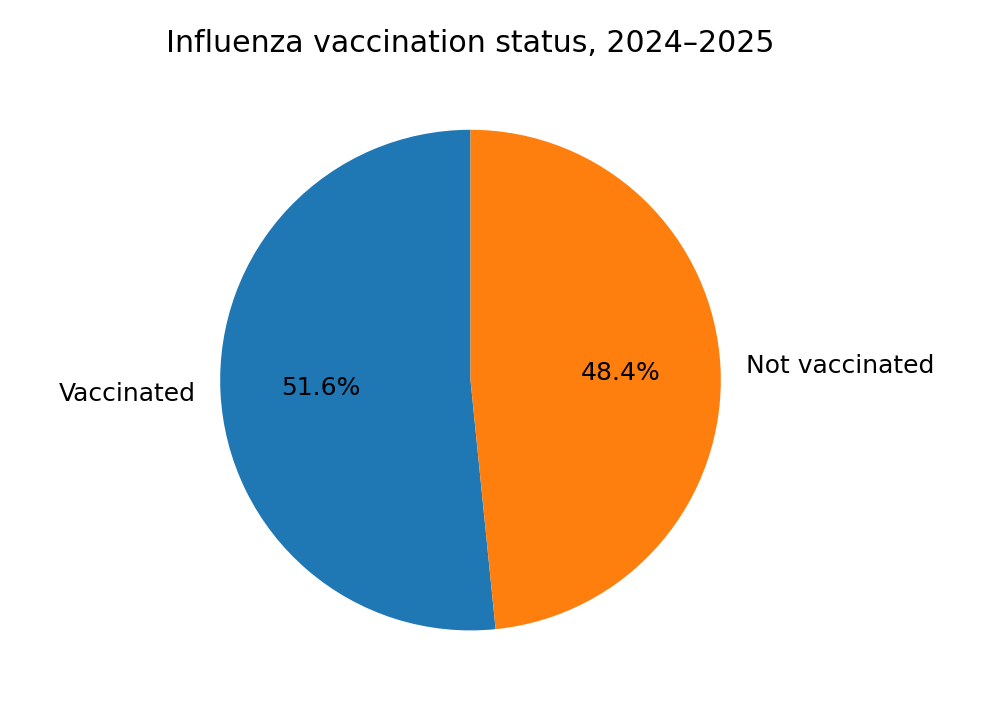
Figure 4. Vaccination status among respondents. Source: primary survey data.
Participants who had not received the vaccine gave several reasons. Concern about side effects was reported by 18.3%, and fear of needles or pain was also reported by 18.3%. Another 17.1% felt vaccination was not necessary because they were healthy. A total of 16.6% said their doctor had not recommended vaccination. In addition, 14.9% did not know vaccination was needed, and 14.7% mentioned cost or financial concerns.
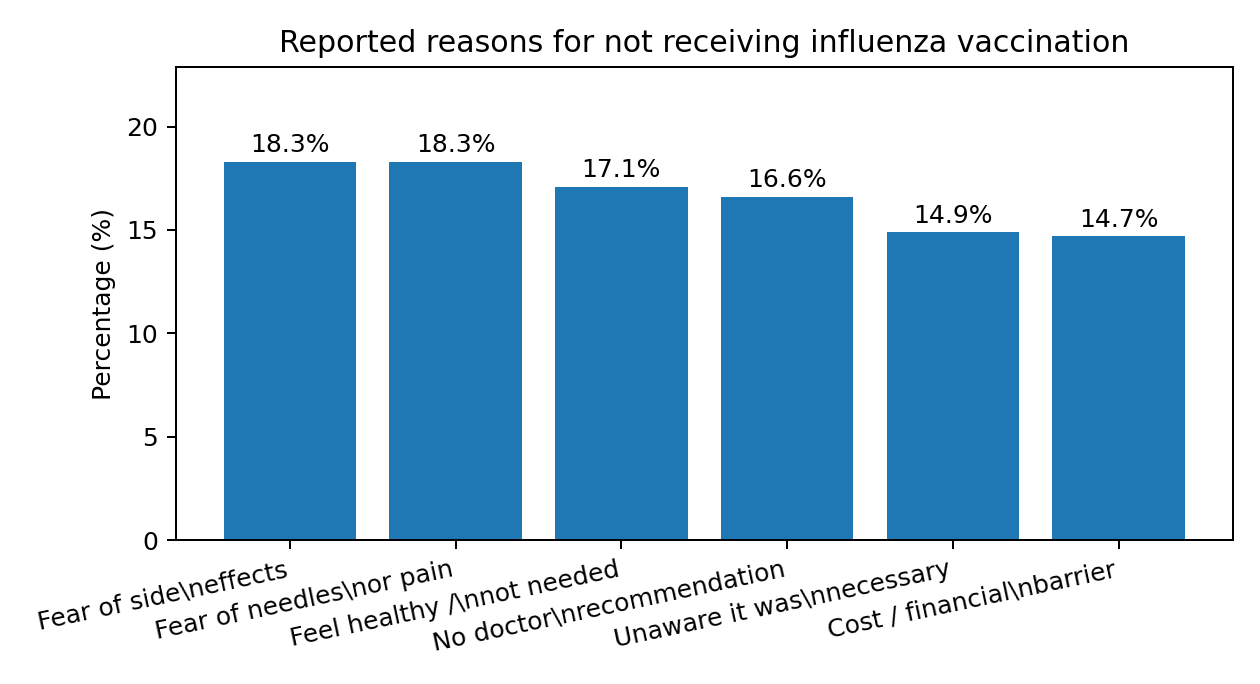
Figure 5. Reasons given for non-vaccination. Source: primary survey data.
4. Discussion
4.1 Reducing the gap between knowledge and action
The survey shows that having health information does not always lead to the same behaviour. Many respondents knew that influenza is caused by a virus, but some still said they would take antibiotics as soon as symptoms appeared (Figure 3). This may be related to the belief that antibiotics are strong medicines or can bring quick relief. The survey identifies this difference, but it does not prove why participants would make this choice. Public health education should therefore explain what people can do when flu symptoms begin. During a consultation, healthcare professionals can assess the symptoms and, when appropriate, use rapid tests or other clinical checks to help decide whether antibiotics are needed. They can also explain why antibiotics are not suitable for viral infections.
4.2 The importance of an active recommendation from clinicians
A total of 16.6% of unvaccinated respondents said that a doctor had not recommended vaccination (Figure 5). This may represent a missed opportunity to discuss prevention. If healthcare professionals do not raise the subject, some patients may assume that vaccination is not important. Health services could encourage clinicians to discuss seasonal influenza vaccination routinely with eligible patients, rather than waiting for patients to ask about it. A clear recommendation can help patients make an informed decision.
4.3 Responding to fear and uncertainty
The reasons for avoiding vaccination were not limited to doubts about the science. In the survey, 18.3% of unvaccinated respondents were concerned about side effects, and another 18.3% were afraid of needles or pain. These concerns should be taken seriously. Health workers can explain expected reactions, discuss vaccine safety, and describe the vaccination process in clear language. The source material also mentions possible alternatives, such as intranasal vaccines or microneedle technologies, where these are suitable and available. Fear of needles has also been examined in published research [12].
People who question the effectiveness of influenza vaccines may benefit from a clear explanation of antigenic drift. Influenza viruses change over time, so vaccine formulations are reviewed to better match the strains expected to circulate. This helps explain why vaccine protection can differ from one season to another and why annual vaccination continues to be recommended [3,5].
5. Conclusion
The survey suggests that participants generally understood some important facts about influenza, but this knowledge did not always lead to preventive behaviour. One example was antibiotic use: although 69.9% knew antibiotics do not treat influenza, 25.1% said they would take them without medical advice when symptoms appeared. Unnecessary antibiotic use can contribute to antimicrobial resistance. The survey also found that 51.6% had received an influenza vaccine. Reasons for not being vaccinated included concern about side effects, fear of needles or pain, the belief that healthy people did not need vaccination, cost, lack of awareness, and not receiving a recommendation from a doctor.
The findings suggest three practical priorities:
· Increase healthcare-provider involvement: healthcare professionals should discuss seasonal influenza vaccination with eligible patients and give clear recommendations.
· Respond to patient concerns: public health communication should address worries about side effects, needles, and pain, and explain the benefits of vaccination in clear language.
· Encourage responsible antibiotic use: people should be advised not to take antibiotics without medical guidance. Clinical assessment or testing, when appropriate, can help determine whether antibiotics are needed.
Public health programmes may be more effective when they combine accurate information with supportive clinical practice and attention to the reasons people may avoid prevention. These steps can help communities respond to the continuing risk of influenza.
6. References
1. World Health Organization. Influenza (Seasonal) Fact Sheet. October 3, 2023. Available from: https://www.who.int/news-room/fact-sheets/detail/influenza-(seasonal
2. Centers for Disease Control and Prevention (CDC). Weekly U.S. Influenza Surveillance Report (FluView). 2025.
3. Treanor JJ. Influenza Viruses. In: Mandell, Douglas, and Bennett’s Principles and Practice of Infectious Diseases. 9th ed. Elsevier; 2020:2113–2136.
4. World Health Organization. Influenza A(H3N2) subclade K variant update. Disease Outbreak News. January 2025.
5. World Health Organization. Recommended composition of influenza virus vaccines for use in the 2025–2026 northern hemisphere influenza season. February 2025.
6. Tenforde MW, et al. Interim Estimates of 2024–25 Seasonal Influenza Vaccine Effectiveness — United States. MMWR Morb Mortal Wkly Rep. 2025;74:1–6.
7. O’Neill J. Tackling Drug-Resistant Infections Globally: Final Report and Recommendations. The Review on Antimicrobial Resistance. 2016.
8. Primary Data. Knowledge, Attitudes, and Practices (KAP) Survey on Influenza and Vaccination Strategies. 2026.
9. Grigoryan L, Monnet DL, Haaijer-Ruskamp FM, et al. Self-medication with antimicrobial drugs in Europe. Emerg Infect Dis. 2006;12(3):452–459.
10. Llor C, Bjerrum L. Antimicrobial resistance: risk associated with antibiotic overuse and initiatives to reduce the problem. Ther Adv Drug Saf. 2014;5(6):229–241.
11. Brewer NT, Hall ME, Malo TL, Gilkey MB, Quinn B, Lathren C. Announcements Versus Conversations to Improve HPV Vaccination Coverage: A Randomized Trial. Pediatrics. 2017;139(1):e20161764.
12. McLenon J, Rogers A. The fear of needles: A systematic review and meta-analysis. J Adv Nurs. 2019;75(1):30–42.