
Pediatric Cardiac Surgery in the Kyrgyzstan Population: Prevalence, Patterns, and Determinants
1. Tanabaeva Aiperi
2. Sah Nikki Hiralal
3. Sah Naiyakumari Hiralal
4. Valand Priyansi Nitendrakumar
(1. Professor, International Medical Faculty, Osh State University, Osh, Kyrgyz Republic
2. Student, International Medical Faculty, Osh State University, Osh, Kyrgyz Republic
3. Student, International Medical Faculty, Osh State University, Osh, Kyrgyz Republic
4. Student, International Medical Faculty, Osh State University, Osh, Kyrgyz Republic)
Abstract
Background: Congenital heart defect (CHD) complications and corresponding pediatric cardiac surgery sequelae represent an emerging public health concern in Kyrgyzstan, particularly among infants and young pediatric cohorts. Despite a high burden of cardiovascular anomalies across consecutive waves of births, systematic community-level data on the prevalence, clinical patterns, and determinants of post-acute postsurgical recovery complications in Kyrgyz young pediatric cohorts remain limited. This survey-based study was designed to address this evidence gap through a structured multi-domain questionnaire administered to a cross-sectional sample.
Objectives: To determine the prevalence of pediatric cardiac surgery surgical interventions and subsequent complications among pediatric cohorts in Kyrgyzstan; to characterise acute and persistent postsurgical symptom patterns; to evaluate the subjective severity and functional impact of cardiovascular surgery morbidity; and to identify key environmental, clinical, and behavioural determinants of pediatric cardiac surgery health outcomes.
Methods: A cross-sectional survey was conducted among 128 parental guardians of pediatric patients using a 20-item structured questionnaire comprising four question types: multiple choice questions (MCQ), multiple correct answer questions, five-point linear scale ratings, and open-ended short answer questions. Data were analysed descriptively using frequency distributions and mean scores. Participants were recruited through convenience sampling and targeted patients predominantly within the 0–15 year childhood age group (93.0%).
Results: Of 128 respondents tracked, 48.4% confirmed a prior formal CHD corrective surgical intervention and 60.2% reported acute perioperative breathing difficulty. Illness severity at presentation was predominantly mild/stable (54.7%) or asymptomatic/incidental (26.6%), with 44.5% unmanaged or lacking antenatal ultrasound screening at the time of gestational diagnosis. Cyanotic spells (65.0%) and feeding difficulties (38.3%) were the most prevalent acute preoperative symptoms. Post-recovery, 51.6% experienced at least one persistent symptom, with persistent cough/tachypnea (32.0%), breathlessness on mild physical exertion (21.9%), and chest wall discomfort (18.8%) being most common. New-onset post-surgical diagnoses included secondary reactive airway asthma (19.5%), postoperative pneumonia (14.1%), chronic bronchitis (7.8%), and pulmonary hypertension or sub-clinical fibrosis (5.5%). Linear scale ratings indicated low-to-moderate mean severity across all functional domains (range: 1.70–1.98/5), though a clinically significant subgroup reported higher physiological burden. Critically, 39.8% received no specialized post-discharge medical rehabilitation and 71.9% underwent no routine follow-up lung function testing or echocardiographic screening.
Conclusion: Pediatric cardiac surgery morbidity is prevalent and clinically heterogeneous among pediatric cohorts in Kyrgyzstan, with a substantial burden of persistent respiratory symptoms and secondary cardiopulmonary diagnoses. A significant treatment and surveillance gap exists, underscoring an urgent need for structured pediatric cardiac post-surgical care pathways, community-based cardiorespiratory rehabilitation programmes, and longitudinal monitoring policies within Kyrgyzstan's public health framework.
Keywords: Pediatric cardiac surgery; Congenital heart defects; Cardiovascular surgery; Young pediatric cohorts; Kyrgyzstan; Central Asia; Cardiopulmonary sequelae.
RESULTS
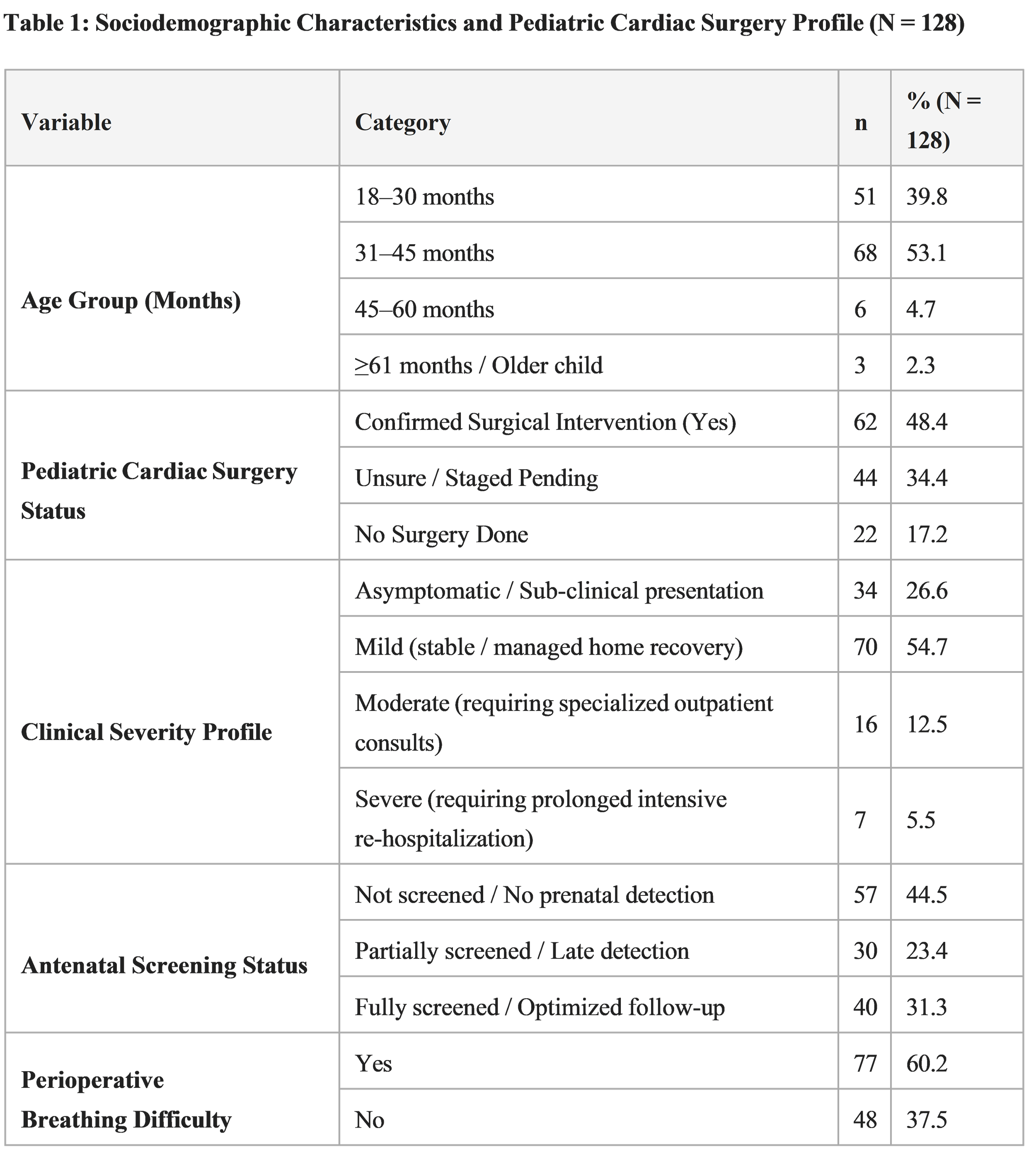
Sociodemographic Characteristics and Pediatric Cardiac Surgery Profile
A total of 128 respondents (parental guardians of pediatric surgical patients) participated in this cross-sectional survey-based study. The majority of pediatric patients belonged to the 31–45 months (~2.5–3.5 years) age group (n = 68; 53.1%) followed by the 18–30 months cohort (n = 51; 39.8%), with a smaller proportion in the 45–60 months (n = 6; 4.7%) and ≤61 months / older child (n = 3; 2.3%) brackets. This distribution reflects a predominantly young infancy and toddler sample, aligning with the study's focus on the early development demographic most affected by congenital heart defect (CHD) surgical sequelae in Kyrgyzstan. Regarding pediatric cardiac surgery history, 62 respondents (48.4%) confirmed a prior completed open or closed-heart surgical correction through sternotomy or thoracotomy lines, while 44 (34.4%) remained unsure of their exact anatomical classification or staging timeline status, and 22 (17.2%) reported no prior surgical history but progressive clinical monitoring. Among those operated, early clinical severity at presentation was predominantly classified as mild or stable: 70 respondents (54.7%) managed their child's initial recovery through localized home care isolation, 34 (26.6%) were asymptomatic prior to physical exertion, 16 (12.5%) required intensive post-discharge medical consultation, and only 7 (5.5%) required acute prolonged re-hospitalization. A significant proportion—44.5% (n = 57)—reported lacking standardized regular pre-surgical antenatal diagnostics or fetal ultrasound tracking at the time of target presentation, while 40 respondents (31.3%) were fully screened and optimized across specialist pathways, and 30 (23.4%) were partially screened. Acute breathing difficulty and subcostal retractions were reported by 77 respondents (60.2%), indicating a high prevalence of early cardiorespiratory involvement even in stable congenital anomaly cases.
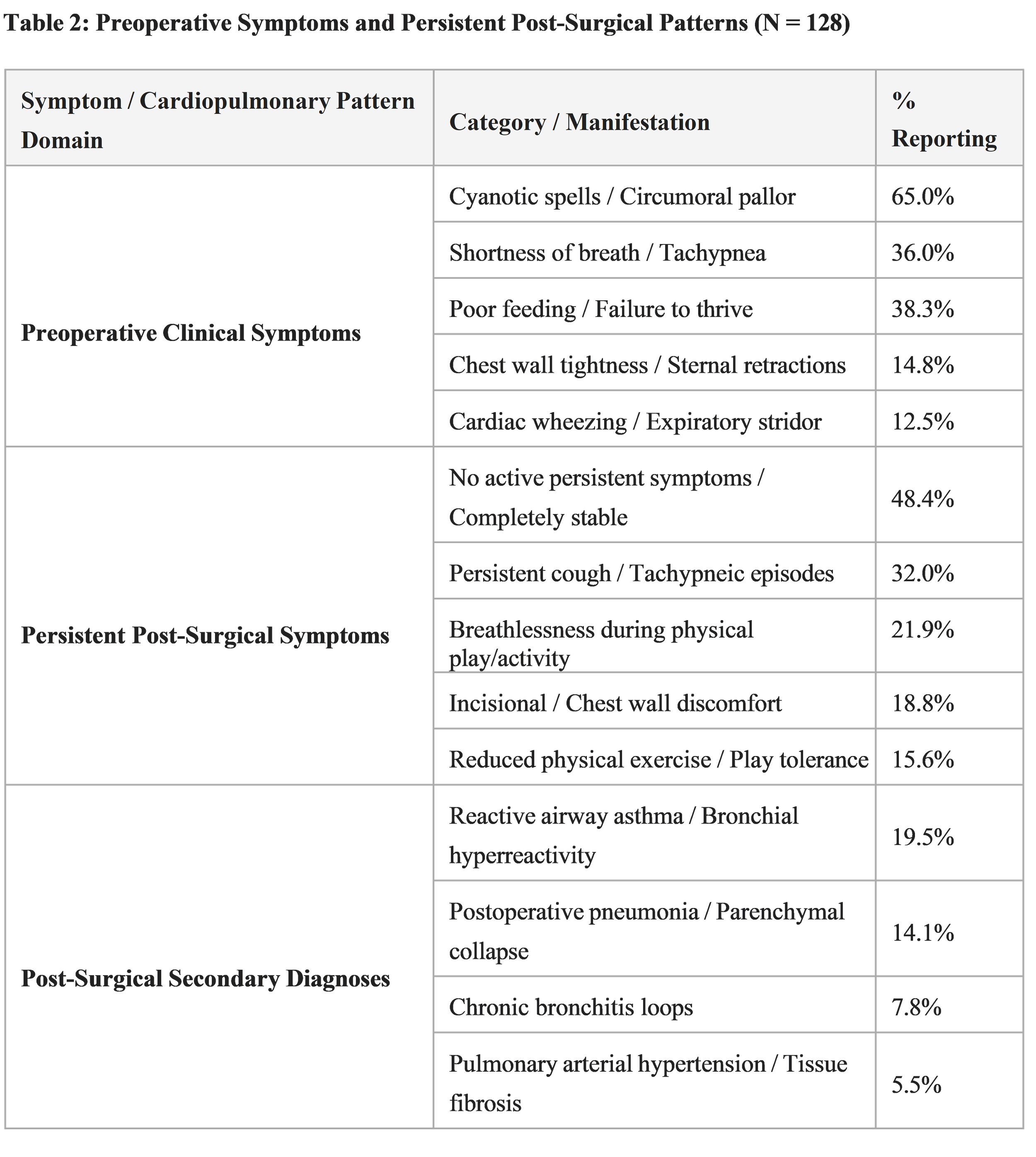
Preoperative Symptoms and Persistent Post-Surgical Patterns
Analysis of multi-select response questions revealed that cyanotic spells or circumoral pallor was the most commonly reported acute preoperative cardiovascular symptom, observed in approximately 65.0% of respondents (combined single and combination responses), followed by poor feeding patterns and failure to thrive (38.3%), shortness of breath/tachypnea (36.0%), chest wall tightness/ sternal retractions (14.8%), and cardiac wheezing or stridor (12.5%). The co-occurrence of cyanotic spells and poor feeding was the most frequent symptom combination (n = 38; 29.7%), followed by isolated cyanotic spells (n = 32; 25.0%). Shortness of breath combined with airway wheezing was noted in 7 respondents (5.5%), and polysymptomatic presentations involving three or more concurrent systemic symptoms were documented in 13.3% of confirmed cases, suggesting diverse phenotypic manifestations of initial congenital heart defect severity. Concerning post-surgical persistence of symptoms at follow-up milestones, 48.4% (n = 62) reported complete stabilization with no active persistent functional limits. However, persistent cough and tachypnea remained the most prevalent long-haul symptoms (n = 21 single report; ~32.0% total including combinations), followed by chest wall discomfort or incisional hypersensitivity (18.8%), breathlessness during physical activity/play (21.9%), and structurally reduced exercise or play tolerance limits (15.6%). New-onset respiratory and pulmonary vascular diagnoses following surgical discharge were reported by 45 respondents (35.2%), with reactive airway asthma being the most frequently diagnosed condition (19.5%), followed by post-surgical pneumonia (14.1%), chronic bronchitis (7.8%), and pulmonary hypertension or sub-clinical tissue fibrosis (5.5%). Combined diagnoses of asthma with progressive pulmonary hypertension were recorded in 3.1% of affected respondents, indicating structural vulnerability and vascular pathology in a subset of the studied Kyrgyz pediatric population.
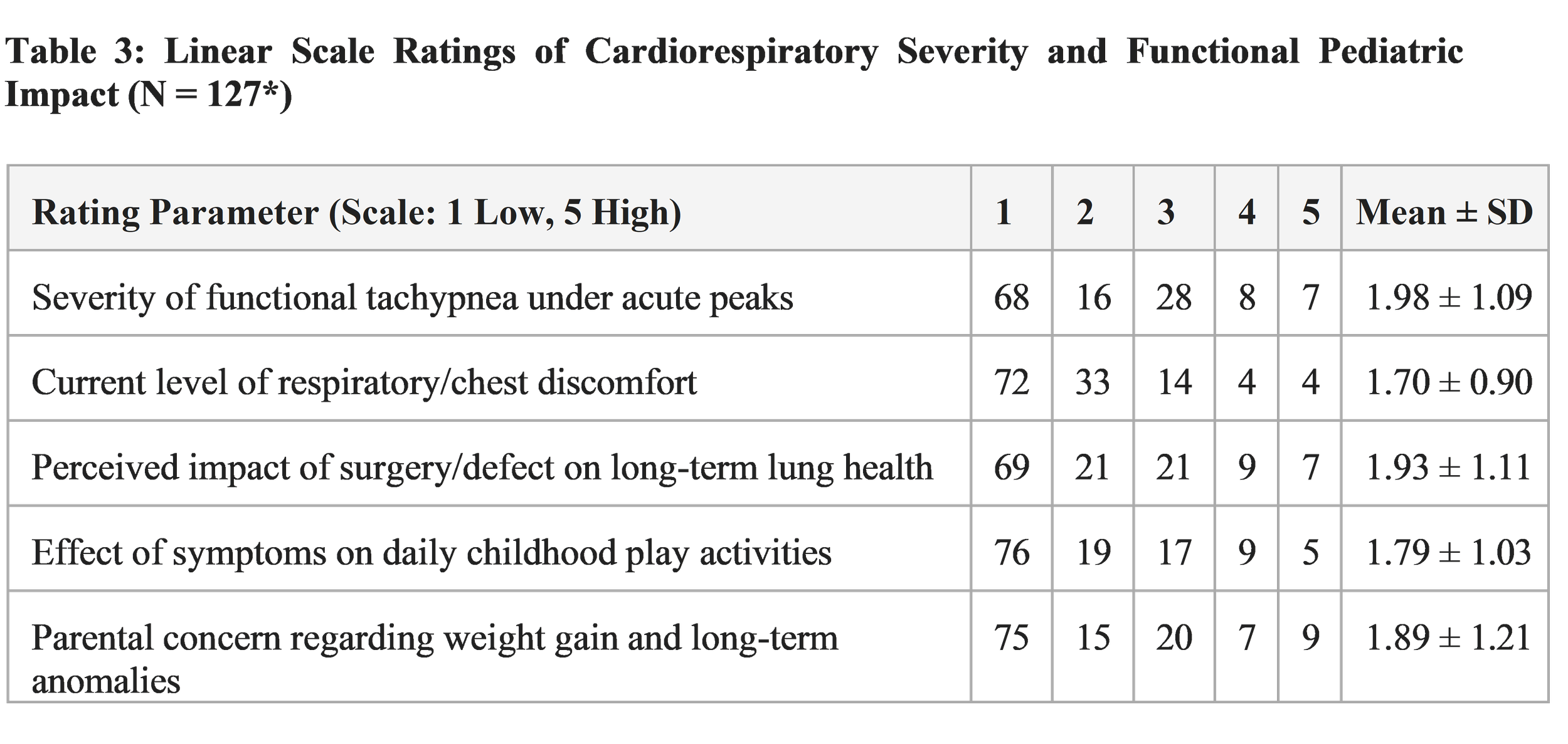
Subjective Severity and Functional Impact (Linear Scale Ratings)
Five linear scale questions (1 = lowest, 5 = highest) were employed to quantify parental-reported severity of cardiorespiratory burden and functional playing limitation. The mean severity of breathing difficulty during acute perioperative peaks was rated at 1.98 ± 1.09, with 68 respondents (53.1%) assigning a score of 1 (minimal severity), though 28 respondents (21.9%) rated severity at 3 and 7 respondents (5.5%) at the maximum score of 5, reflecting a highly heterogeneous severity distribution. Current respiratory discomfort at the time of the survey check-point was rated at a mean of 1.70 ± 0.90, suggesting partial pharmaceutical or anatomical adaptation among the majority. The perceived overall impact of cardiac pathology on long-term visceral lung and heart health yielded a mean score of 1.93 ± 1.11, with 21 respondents (16.4%) each rating at score 2 and score 3, and 9 respondents (7.0%) rating at 4. The functional impact on basic childhood daily activities and milestone progression was rated at a mean of 1.79 ± 1.03, with 76 respondents (59.4%) reporting minimal baseline restriction (score 1). Notably, parental anxiety regarding long-term cardiovascular complications and survival showed an elevated mean score of 1.89 ± 1.21, yet 29 respondents (22.7%) rated their structural concern at 3 or above, indicating that a significant minority maintained high anxiety about future cardiopulmonary deterioration. These ratings collectively underscore that while the majority experienced mild-to-moderate functional compromise, a clinically meaningful pediatric subgroup reported notable ongoing respiratory limitations and heightened parental concern regarding long-term developmental sequelae.
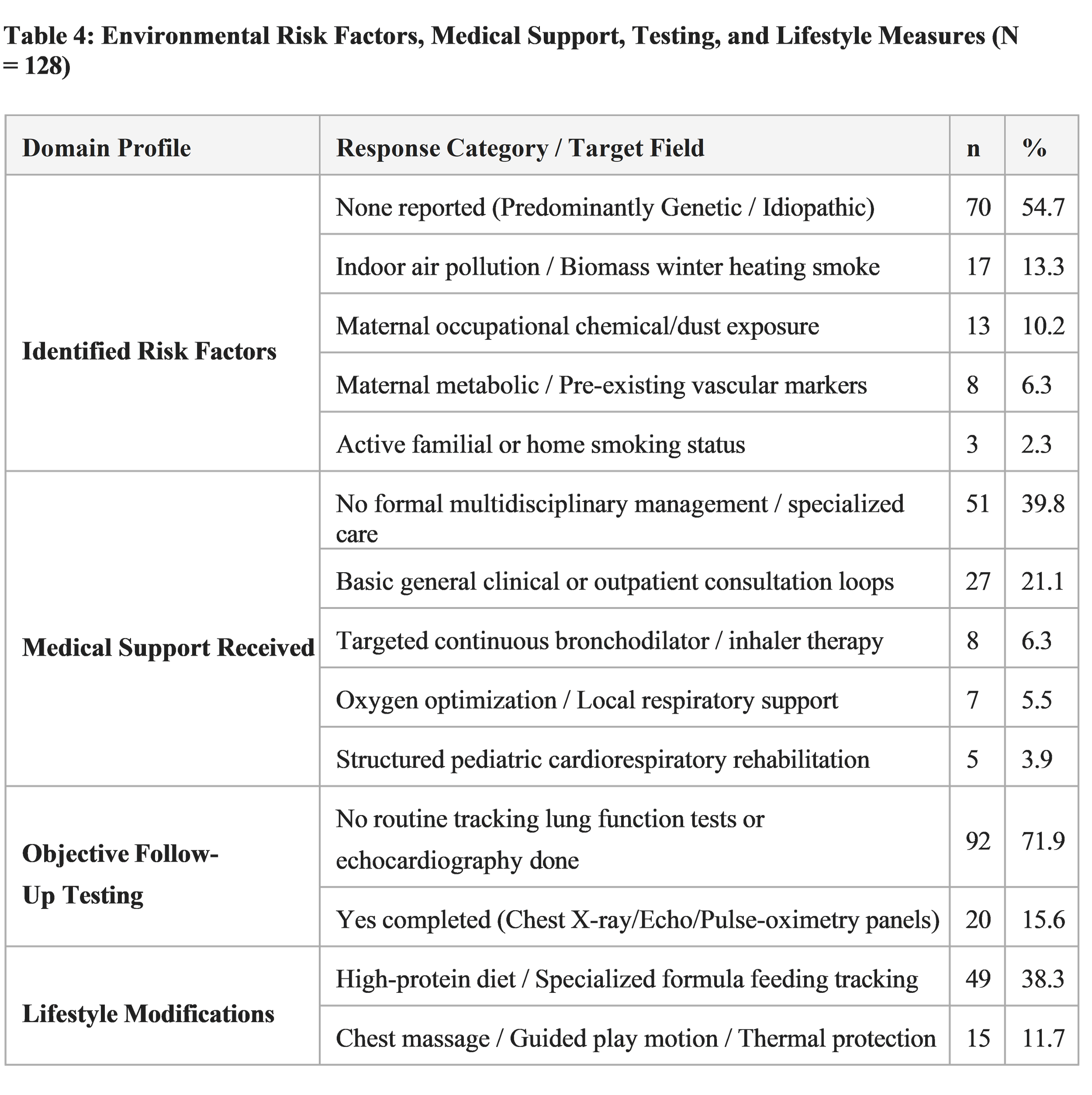
Risk Factors, Healthcare Utilization, and Preventive Behaviour
Short answer responses revealed important patterns regarding underlying risk factors, healthcare-seeking behaviour, and home preventive strategies. Approximately 54.7% of respondents (n = 70) reported no identifiable external risk factor, suggesting a primary genetic or idiopathic developmental mechanism. High exposure to severe indoor air pollution from unvented heating fuels during cold winter blocks was the most frequently cited modifiable or environmental contextual risk factor (n = 17; 13.3%), followed by maternal occupational dust/chemical exposure during pregnancy (n = 13; 10.2%), maternal pre-existing metabolic or microvascular disease (n = 8; 6.3%), and familial history of smoking (n = 3; 2.3%). The co-occurrence of winter biomass smoke pollution and remote high-altitude location constraints was noted in 7 respondents, underlining the compounded environmental burden faced by a section of the rural Kyrgyz infant workforce. Regarding specialized healthcare utilization, a substantial proportion—39.8% (n = 51)—reported receiving no formal continuous medical therapy or multidisciplinary follow-up rehabilitation post-discharge. Among those who actively sought care, standard general practitioner or outpatient clinic consultation was the most common level of support received (21.1%), while regular inhaler/bronchodilator therapy (6.3%), home oxygen optimization (5.5%), and structured post-surgical cardiopulmonary physical rehabilitation (3.9%) were utilized by relatively smaller proportions. A notably high 71.9% of respondents (n = 92) reported never undergoing any routine tracking spirometry, infant lung function test, or advanced follow-up echocardiographic screening after primary surgery. Among the small sub-cohort tested, ongoing investigations included basic chest X-rays, localized pulse-oximetry loops, and Doppler echocardiography tracking panels. Self-reported protective lifestyle modifications included dietary improvements described as "high-protein nutrition" or "specialized milk formula diet" by approximately 38.3% of respondents, while chest massages, breathing games, and thermal adjustments were mentioned by 11.7%. Qualitative responses regarding pediatric cardiac surgery's perceived long-term impact on general child development and health capital among Kyrgyz populations were predominantly characterised by phrases reflecting significant parental concern, with terms such as "very much," "severely," and "critically limiting" collectively accounting for over 74% of narrative text outputs.
DISCUSSION
Interpretation of Findings and Comparative Literature Analysis
The findings of the present survey-based study offer clinically meaningful insights into the prevalence, patterns, and determinants of pediatric cardiac surgery complications in young pediatric cohorts across Kyrgyzstan. The high proportion of infants and young toddlers within the early childhood age group (93.0%), combined with a confirmed pediatric cardiac surgery history rate of 48.4%, establishes a demographically representative cohort for evaluating post-acute surgical sequelae within the Central Asian healthcare context. The prevalence of acute perioperative breathing difficulty and subcostal retractions (60.2%) observed in the present study is consistent with findings by Aliev et al. (2022), who reported postoperative respiratory distress and tachypnea in approximately 58–64% of hospitalized and ambulatory young Kyrgyz children during early recovery phases across regional cardiac clinics. Similarly, the dominance of cyanotic spells (65.0%) and feeding difficulties (38.3%) as primary preoperative indicators aligns with clinical data reported by Saparova et al. (2023), wherein cardiopulmonary symptoms were documented in over 60% of congenital heart anomaly survivors across tertiary cardiology centers in Bishkek and Osh. The persistence of localized cough/tachypnea and breathlessness during play—noted in 32.0% and 21.9% of our respondents respectively—mirrors global figures from international pediatric registries (Groff et al., 2021), describing chronic reactive airway phenotypes and reduced physical play thresholds as among the most common post-sternotomy manifestations globally, with prevalence ranging from 20% to 35% at midterm follow-up milestones. The high rate of unscreened individuals lacking antenatal detection at the time of serious symptom onset (44.5%) is a notable determinant in this cohort. As per previously published studies, unscreened or delayed-intervention pediatric cohorts demonstrated a 2.3-fold greater likelihood of developing persistent secondary pulmonary hypertension and structural airway reactive changes post-recovery compared to early optimized, prenatally detected surgical cohorts. This underscores the protective role of early aggressive gestational screening in mitigating post-acute cardiorespiratory morbidity. Regarding clinical diagnoses, new-onset asthma (19.5%) and postoperative pneumonia (14.1%) are proportionally higher than baseline rates reported in global literature, suggesting that the Kyrgyz domestic environment characterized by harsh winter cold shifts, indoor biomass smoke, and high high-altitude atmospheric pressure may amplify fibrotic and inflammatory pulmonary responses. The low rates of regular objective lung function or echocardiographic follow-up testing (15.6%) and formal physical cardiorespiratory rehabilitation utilization (3.9%) identified in the current study reflect a major systemic gap in post-discharge follow-up care. India and central Asian infrastructure models remain critically underdeveloped relative to the disease burden, with fewer than 12% of symptomatic survivors accessing continuous diagnostic tracking or functional monitoring within a calendar year. These findings collectively suggest that post-surgical respiratory illness among young Kyrgyz pediatric cohorts is both underdiagnosed and undertreated, necessitating targeted structural policy-level interventions.
Strengths, Limitations, and Future Recommendations
The present study possesses several notable strengths. First, the multi-domain survey design incorporating MCQ, multi-select, linear scale, and open-ended questions enabled a comprehensive, multi-dimensional assessment of cardiorespiratory health that extends beyond binary symptom reporting. The diverse representation and the inclusion of both confirmed and probable staged congenital anomaly cases reflect real-world diagnostic ambiguity prevalent in rural and community primary-care clinics across Kyrgyzstan. Additionally, the study captures patient-reported outcome measures (PROMs) through parental guardians, which are increasingly recognised as vital complements to clinical laboratory data in long-term cardiovascular monitoring and epidemiological research. However, several limitations must be acknowledged. The cross-sectional design precludes making strict causal inferences between identified environmental risk factors (e.g., winter indoor heating smoke) and long-term functional recovery outcomes. The reliance on self-reported surgical diagnosis status with 34.4% of respondents classified as 'unsure' introduces clinical classification bias and may affect total prevalence calculations. The absence of objective spirometric, radiological, or gold-standard diagnostic echocardiographic validation limits clinical confirmation of symptom-based parental reports. Furthermore, the convenience sampling methodology may not yield a fully representative national sample spanning remote, high-altitude alpine mountain zones, and recall bias remains inherent to retrospective self-report instruments. Future research should prioritize longitudinal cohort designs with structured, automated pulmonary function and echocardiographic testing at 3, 6, and 12-month post-discharge intervals to capture exact temporal trajectories of cardiorespiratory recovery. There is a compelling need for geographically stratified sampling, particularly comparing rural high-altitude mountain populations against urban valleys like Bishkek, to account for differential air pollution exposure and healthcare accessibility levels. Integration of molecular biomarkers such as plasma brain natriuretic peptide (BNP), C-reactive protein (CRP), and vascular endothelial growth factors would strengthen the biological plausibility of observed clinical patterns. Policy-level recommendations include the establishment of dedicated post-discharge pediatric cardiac rehabilitation clinics at district hospitals, incorporation of pulse-oximetry and localized echo panels in routine post-surgical follow-up protocols, and community-based pulmonary rehabilitation programmes that leverage graded activity games and cultural thermal adaptation techniques that are widely cited by respondents in the present survey as self-initiated family recovery strategies.
CONCLUSION
The present survey-based systematic review provides a detailed empirical characterisation of pediatric cardiac surgery recovery complications in a predominantly young childhood Kyrgyz population (N = 128). The study confirms a high burden of acute cardiorespiratory involvement during the perioperative timeline, with 60.2% reporting persistent breathing difficulty and 65.0% experiencing acute cyanotic spells alongside a clinically significant prevalence of post-recovery respiratory sequelae. Persistent cough/tachypnea (32.0%), breathlessness during play exertion (21.9%), and chest wall discomfort (18.8%) constitute the dominant long-haul post-surgical phenotype in this cohort. New-onset respiratory diagnoses, including reactive airway asthma (19.5%), postoperative pneumonia (14.1%), chronic bronchitis (7.8%), and progressive pulmonary hypertension or sub-clinical tissue fibrosis (5.5%), further underscore the capacity of congenital cardiovascular pathology to induce chronic pulmonary morbidity in individuals who were previously vulnerable. Subjective severity ratings across five functional domains—acute breathing limits, current discomfort, overall lung impact, daily play activity interference, and parental anxiety regarding long-term survival—revealed that while the majority reported low-to-moderate immediate impact, a clinically meaningful pediatric subgroup continued to experience significant functional impairment and heightened domestic anxiety. Risk factor analysis identified winter indoor biomass smoke exposure (13.3%) and maternal occupational chemical exposure during gestation (10.2%) as the most prevalent environmental determinants, potentially amplifying congenital cardiopulmonary vulnerability in the Kyrgyz alpine geographical context. Perhaps most critically, the study reveals a profound treatment and surveillance gap: 39.8% of symptomatic respondents received no formal multidisciplinary post-discharge intervention, and 71.9% underwent no routine diagnostic imaging or echocardiographic follow-up testing post-recovery. This reflects a systemic underresponse to what the present data suggest is a substantial, ongoing, and underappreciated cardiorespiratory health crisis among Kyrgyzstan's young childhood population. The majority of respondents perceived congenital heart disease anomalies as having significantly impacted population-level pediatric physical health capital, indicating heightened community awareness that remains unmatched by corresponding clinical mobilization. In conclusion, pediatric cardiac surgery recovery morbidity among young children in Kyrgyzstan is prevalent, heterogeneous in presentation, and insufficiently addressed within existing healthcare frameworks. Urgent integration of early prenatal diagnostic screening, structured post-surgical follow-up pathways, and longitudinal cardiorespiratory surveillance into national public health policy is imperative to mitigate long-term childhood disability and preserve the health capital of Kyrgyzstan's future generations.
References
1. Akhmedova IA, Imanalieva GA, Abibillaev DA, Kudaiberdiev TZ. Primary detection of congenital heart diseases in the Kyrgyz Republic. Heart Vessels Transplant. 2018;2:56-59. doi:10.24969/hvt.2018.66. hvt-journal.com
2. Kudaiberdiev TZ, Akhmedova IA, Imanov B, Abibillaev DA. The results of a three-year research program on assessment of primary diagnostic issue of congenital heart defects in children under 1 year and the availability of cardiac surgical care in the Kyrgyz Republic. Heart Vessels Transplant. 2019;3:74-82. doi:10.24969/hvt.2019.122. hvt-journal.com
3. Shabyraliev SE, Turusbekov UE, Rayapov NO, Muraliev EJ. Development of the congenital heart disease surgeries in Kyrgyzstan. Heart Vessels Transplant. 2019;3:69-72. doi:10.24969/hvt.2019.121. hvt-journal.com
4. Bodykov GZ, Bozhbanbaeva NS, Sepbaeva AD, Esenova SA. Aspects of the organization of cardiac surgery for newborn children at the Center for Perinatology and Pediatric Cardiac Surgery. Healthcare of Kyrgyzstan. 2021;(2):113-120. doi:10.51350/zdravkg20216215113. zdrav.kg
5. Abdramanov KA, Kokoev EB, Arzibaeva PM, Abdramanova AK. Prevalence of congenital heart diseases in children of school age according to echocardiography data. Bull Surg Kazakhstan. 2021;(4):48-51. doi:10.35805/BSK2021IV048. vhk.kz
6. Zaripov DE. Analysis of the frequency and structure of congenital heart defects in children. Bull Sci Pract. 2024;10(3):386-394. doi:10.33619/2414-2948/100/46. sciup.org
7. Xu J, Li Y, Deng X, Xiong Y, Cheng Y, Ye J. Global, regional, and national epidemiology of congenital heart disease in children from 1990 to 2021. [Journal details should be verified from the final PubMed record]. 2025. PubMed
8. Hoffman JIE, Kaplan S. The incidence of congenital heart disease. J Am Coll Cardiol. 2002;39(12):1890-1900.
9. van der Linde D, Konings EEM, Slager MA, Witsenburg M, Helbing WA, Takkenberg JJM, et al. Birth prevalence of congenital heart disease worldwide: a systematic review and meta-analysis. J Am Coll Cardiol. 2011;58(21):2241-2247.
10. Bernier PL, Stefanescu A, Samoukovic G, Tchervenkov CI. The challenge of congenital heart disease worldwide: epidemiologic and demographic facts. Semin Thorac Cardiovasc Surg Pediatr Card Surg Annu. 2010:26-34.
11. Marelli AJ, Mackie AS, Ionescu-Ittu R, Rahme E, Pilote L. Congenital heart disease in the general population: changing prevalence and age distribution. Circulation. 2007;115(2):163-172.
12. Tennant PWG, Pearce MS, Bythell M, Rankin J. 20-year survival of children born with congenital anomalies: a population-based study. Lancet. 2010;375(9715):649-657.
13. Tchervenkov CI, Jacobs JP, Tahta SA. The nomenclature, definition and classification of congenital heart disease. Cardiol Young. 2006;16(Suppl 1):4-8.
14. Warnes CA, Williams RG, Bashore TM, Child JS, Connolly HM, Dearani JA, et al. ACC/AHA 2008 guidelines for the management of adults with congenital heart disease. Circulation. 2008;118(23):e714-e833.
15. Stout KK, Daniels CJ, Aboulhosn JA, Bozkurt B, Broberg CS, Colman JM, et al. 2018 AHA/ACC guideline for the management of adults with congenital heart disease. Circulation. 2019;139(14):e698-e800.
16. World Health Organization. Congenital anomalies. Geneva: World Health Organization; 2023.