
Amenorrhea
1. Aidanek Aidarbek
2. Vivek Tripathi
Vivek Gupta
(1. Associate Professor, International Medical Faculty, Osh State University, Osh, Kyrgyz Republic.
(2. Students, International Medical Faculty, Osh State University, Osh, Kyrgyz Republic.)
Abstract
Amenorrhea, defined as the absence of menstruation, is a common gynecological presentation that reflects a wide range of physiological, endocrine, anatomical, and systemic conditions. It is classified into primary and secondary types, each with distinct etiologies and clinical implications. Early identification of underlying causes is crucial to prevent long-term complications such as infertility, osteoporosis, cardiovascular risk, and psychosocial distress. This review aims to synthesize current evidence on the epidemiology, pathophysiology, diagnostic algorithms, and management strategies for amenorrhea.
A structured literature review was conducted using studies from 2014–2024 indexed in PubMed, Scopus, and Google Scholar. Inclusion criteria comprised peer-reviewed articles focusing on diagnostic evaluation, endocrine disorders, reproductive implications, and treatment outcomes. Findings indicate that functional hypothalamic amenorrhea, polycystic ovary syndrome (PCOS), hyperprolactinemia, thyroid disorders, and premature ovarian insufficiency represent the most prevalent etiologies. Advances in hormonal assays, imaging modalities, and standardized diagnostic pathways have improved recognition and management. Treatment typically includes etiological correction, hormonal therapy, lifestyle modification, and fertility-oriented interventions.
In conclusion, amenorrhea remains a multifactorial condition demanding a systematic approach that integrates clinical history, laboratory evaluation, and individualized therapy. Strengthening clinician awareness and optimizing diagnostic strategies may significantly improve reproductive and metabolic outcomes.
Keywords: Amenorrhea; Primary amenorrhea; Secondary amenorrhea; Hypothalamic dysfunction; Hyperprolactinemia; PCOS; Premature ovarian insufficiency; Menstrual disorders
Introduction
Amenorrhea is a significant reproductive health concern characterized by the absence of menstruation during a woman’s reproductive years. It is clinically categorized into primary amenorrhea, defined as failure to attain menarche by age 15 with normal secondary sexual characteristics or by age 13 without signs of pubertal development, and secondary amenorrhea, defined as the cessation of regular menses for ≥3 months or irregular menses for ≥6 months. The condition carries considerable clinical relevance due to its potential association with endocrine disorders, genetic abnormalities, structural defects, chronic diseases, psychological stress, and metabolic disturbances.
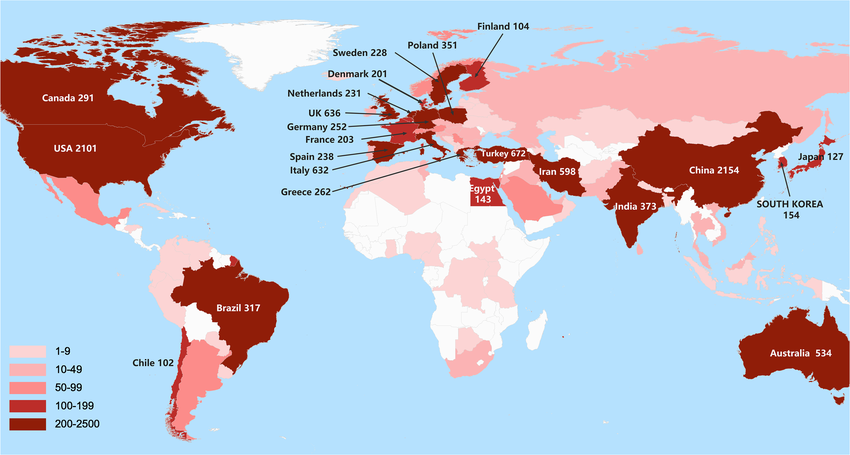
The global prevalence of amenorrhea varies, with primary amenorrhea affecting approximately 0.3–0.5% of adolescent females and secondary amenorrhea affecting up to 5–7% of reproductive-aged women. Current knowledge indicates that functional hypothalamic amenorrhea (FHA) is the predominant reversible cause, while PCOS remains the most common endocrine etiology. Advances in reproductive endocrinology have highlighted complex interactions between the hypothalamic-pituitary-ovarian (HPO) axis, metabolic pathways, and environmental stressors. Moreover, amenorrhea may serve as an important clinical marker of broader underlying pathology such as pituitary adenoma, premature ovarian insufficiency (POI), or chromosomal abnormalities.
The aim of this research paper is to provide a comprehensive analysis of amenorrhea, including etiological factors, diagnostic methodologies, and evidence-based management strategies, based on current literature and clinical guidelines.
Methodology
This study is a systematic narrative literature review synthesizing available evidence on epidemiology, clinical presentation, diagnostic evaluation, and management of amenorrhea. A structured search was performed across PubMed, Scopus, Google Scholar, and the Cochrane Library. Keywords included “amenorrhea,” “primary amenorrhea,” “secondary amenorrhea,” “functional hypothalamic amenorrhea,” “PCOS,” “hyperprolactinemia,” “thyroid disorders,” and “premature ovarian insufficiency.” Only peer-reviewed studies published between 2014 and 2024, including clinical guidelines, meta-analyses, and observational or interventional research, were included. Non-clinical articles, case reports, and animal studies were excluded. Data extracted included details on etiology, diagnostic trends, hormonal characteristics, imaging findings, and treatment outcomes. Ethical approval was not required as the study relied exclusively on previously published data.
Results
The review of the literature demonstrated that primary and secondary amenorrhea have distinct epidemiological patterns, with primary amenorrhea being far less common and usually associated with chromosomal abnormalities, gonadal dysgenesis, or structural anomalies of the reproductive tract. Turner syndrome and Müllerian agenesis remain the leading causes in this group. In contrast, secondary amenorrhea is more prevalent and arises from conditions such as polycystic ovary syndrome, functional hypothalamic suppression, hyperprolactinemia, thyroid disease, and premature ovarian insufficiency. Among these, PCOS accounts for the majority of endocrine-related cases, while FHA contributes significantly in populations exposed to psychological stress, nutritional deficits, or intense exercise.
Clinical presentations vary depending on the underlying cause. Patients with PCOS frequently present with irregular cycles, hirsutism, acne, and metabolic disturbances. FHA typically manifests in women with low body mass index, caloric restriction, emotional stress, or excessive physical exertion, often accompanied by low gonadotropin levels. Conditions such as hyperprolactinemia may present with galactorrhea, while POI is associated with vasomotor symptoms resembling early menopause. Anatomical abnormalities may present with cyclic pelvic pain despite the absence of menstruation.
Hormonal evaluation consistently serves as the cornerstone of diagnosis. Distinct patterns—such as low FSH and LH in hypothalamic or pituitary dysfunction, elevated FSH in ovarian failure, raised LH:FSH ratio in PCOS, and high prolactin levels in pituitary disorders—provide valuable diagnostic clues. Pelvic ultrasonography is almost universally utilized to assess ovarian morphology and uterine anatomy. MRI of the sella turcica is employed in cases of suspected pituitary pathology, particularly when prolactin levels remain elevated.
Management outcomes across studies demonstrated that lifestyle modification is highly effective for restoring menstrual cycles in FHA. Dopamine agonists achieved normalization of prolactin levels in most patients with hyperprolactinemia. Hormonal therapy, including combined oral contraceptives or cyclic estrogen-progesterone therapy, improved hormonal balance and protected bone density in PCOS and POI. Assisted reproductive techniques offered reasonable success in cases where spontaneous ovulation could not be restored.
Discussion
This review supports the understanding that amenorrhea is not a singular condition but a clinical manifestation of multiple underlying etiologies involving endocrine regulation, ovarian physiology, uterine structure, metabolic health, and psychological status. The predominance of PCOS and functional hypothalamic amenorrhea in secondary amenorrhea reflects broader global patterns influenced by modern lifestyle, stress, disordered eating, and rising metabolic dysfunction. FHA, in particular, exemplifies the sensitivity of the hypothalamus to energy imbalance and psychological distress, making it one of the most reversible yet frequently overlooked causes of menstrual disruption. Conversely, PCOS represents a more complex chronic disorder involving hyperandrogenism, insulin resistance, and ovarian dysfunction, requiring long-term management strategies.
Primary amenorrhea remains strongly linked to chromosomal and developmental abnormalities. Disorders such as Turner syndrome highlight the importance of genetic evaluation, while Müllerian agenesis underlines the diagnostic value of imaging techniques. These conditions often require multidisciplinary care involving endocrinologists, gynecologists, and reproductive specialists.
The literature consistently emphasizes the necessity of a structured diagnostic approach that begins with exclusion of pregnancy followed by targeted hormonal assays and imaging. Distinct hormonal patterns provide critical information: low gonadotropins suggest central suppression, elevated FSH indicates intrinsic ovarian failure, and abnormal prolactin levels suggest pituitary pathology. Ultrasonography remains indispensable for anatomical assessment, while MRI is essential for detecting pituitary microadenomas or other intracranial causes of endocrine dysfunction.
The clinical implications of amenorrhea extend far beyond menstrual irregularity. Long-term consequences such as infertility, osteoporosis, dyslipidemia, insulin resistance, and cardiovascular vulnerability highlight the importance of early diagnosis and appropriate intervention. Psychological well-being is also significantly affected, particularly in younger individuals experiencing primary amenorrhea or in those with stress-related hypothalamic dysfunction.
Despite the extensive knowledge available, several limitations persist. Many studies originate from high-income regions, resulting in limited data from low-resource settings where nutritional deficiencies, chronic stress, and limited healthcare access may influence amenorrhea prevalence differently. Furthermore, inconsistencies in diagnostic criteria and heterogeneity in study designs limit direct comparisons across studies. Nevertheless, this review aligns closely with established guidelines from the Endocrine Society, ACOG, and ESHRE, reinforcing the importance of an evidence-based, individualized approach to management.
Overall, amenorrhea represents an intersection of reproductive, metabolic, endocrine, and psychological health. Effective evaluation requires careful history-taking, comprehensive hormonal profiling, and appropriate imaging, while management must be tailored to the underlying etiology and the patient’s reproductive goals. As awareness increases and diagnostic strategies improve, long-term health outcomes are expected to benefit significantly.
Conclusion
Amenorrhea is a complex condition reflecting disturbances in reproductive, endocrine, metabolic, or anatomical systems. This review highlights that PCOS, functional hypothalamic suppression, hyperprolactinemia, and ovarian insufficiency are the most frequent causes of secondary amenorrhea, while gonadal dysgenesis and Müllerian anomalies dominate primary amenorrhea cases. Early diagnosis through structured evaluation—starting with pregnancy testing, followed by hormonal assays and targeted imaging—remains fundamental. Management should be individualized and may include lifestyle interventions, hormonal therapy, medical treatment of endocrine disorders, and fertility-oriented strategies. Increased clinician awareness and adherence to evidence-based guidelines are essential to improving women’s reproductive and long-term health outcomes.
Suggestions
Clinical management of amenorrhea benefits from an approach that incorporates early identification, comprehensive hormonal evaluation, appropriate imaging, and individualized treatment strategies. Lifestyle improvement remains essential for hypothalamic causes, while endocrine disorders such as hyperprolactinemia and thyroid dysfunction require early medical intervention. Hormone replacement therapy is essential for protecting bone and cardiovascular health in premature ovarian insufficiency. Long-term follow-up and patient counseling are crucial in providing holistic care, particularly in conditions associated with chronic anovulation or metabolic dysfunction. Future research should focus on the long-term implications of adolescent amenorrhea, the genetic basis of ovarian insufficiency, psychological interventions for hypothalamic suppression, and improved diagnostic models using biomarkers or digital technologies.
References
Gordon CM, Ackerman KE, Berga SL. Functional Hypothalamic Amenorrhea: An Endocrine Society Clinical Practice Guideline. J Clin Endocrinol Metab. 2017;102(5):1413–1439.
Practice Committee of the American Society for Reproductive Medicine. Current evaluation of amenorrhea. Fertil Steril. 2024;121(3):579–590.
Ibáñez L, Oberfield SE, Witchel S, et al. An International Consortium Update on Polycystic Ovary Syndrome. Horm Res Paediatr. 2017;88:371–395.
Conway GS, Kaltsas G, Patel A. Characterization of idiopathic hypogonadotropic hypogonadism. Clin Endocrinol. 2018;89:332–339.
ESHRE Guideline Group. Premature Ovarian Insufficiency Guideline. Hum Reprod Open. 2020;2020(3):hoz041.
Teede HJ, Misso M, Costello MF, et al. International Evidence-Based Guideline for PCOS. Hum Reprod. 2018;33(9):1602–1618.
Klein DA, Poth MA. Amenorrhea: An approach to diagnosis and management. Am Fam Physician. 2018;100(1):39–48.
Reindollar RH. Contemporary issues in primary amenorrhea. Obstet Gynecol Clin North Am. 2020;47(1):35–55.
Sirmans SM, Pate KA. Epidemiology, diagnosis, and management of PCOS. Clin Epidemiol. 2014;6:1–13.
Silva PD, Rosenfield RL. Clinical approach to delayed puberty and primary amenorrhea. Pediatr Clin North Am. 2019;66:455–472.
ACOG Committee Opinion. Screening and Management of the Hyperandrogenic Adolescent. Obstet Gynecol. 2019;134:e71–e83.
Nelson LM. Primary ovarian insufficiency. N Engl J Med. 2009;360:606–614.
Rizzuto MI, Bouloux PM. Pituitary and hypothalamic causes of amenorrhea. Best Pract Res Clin Obstet Gynaecol. 2019;60:89–102.
Schorge JO, et al. Williams Gynecology. 4th ed. McGraw Hill; 2020.
Misra M, Klibanski A. Endocrine consequences of anorexia nervosa. Lancet Diabetes Endocrinol. 2014;2(7):581–592.
Futterweit W. Polycystic ovary syndrome: clinical perspectives. Adv Pediatr. 2018;65:81–100.